Ever found yourself staring at a pile of vegetables, dreaming of perfectly uniform slices that would elevate your homemade dishes to gourmet status? Or perhaps you’ve wrestled with a chef’s knife, only to end up with uneven cuts and a nagging sense of frustration? It’s a common kitchen dilemma, but there’s a game-changing tool designed to bring precision and efficiency to your culinary adventures: the Standing Mandoline Slicer. Far more than just a fancy gadget, a standing mandoline is a stable, reliable partner that empowers you to create stunning, consistent cuts with ease and, most importantly, enhanced safety.
The Unsung Hero of Uniformity: Understanding Your Standing Mandoline Slicer
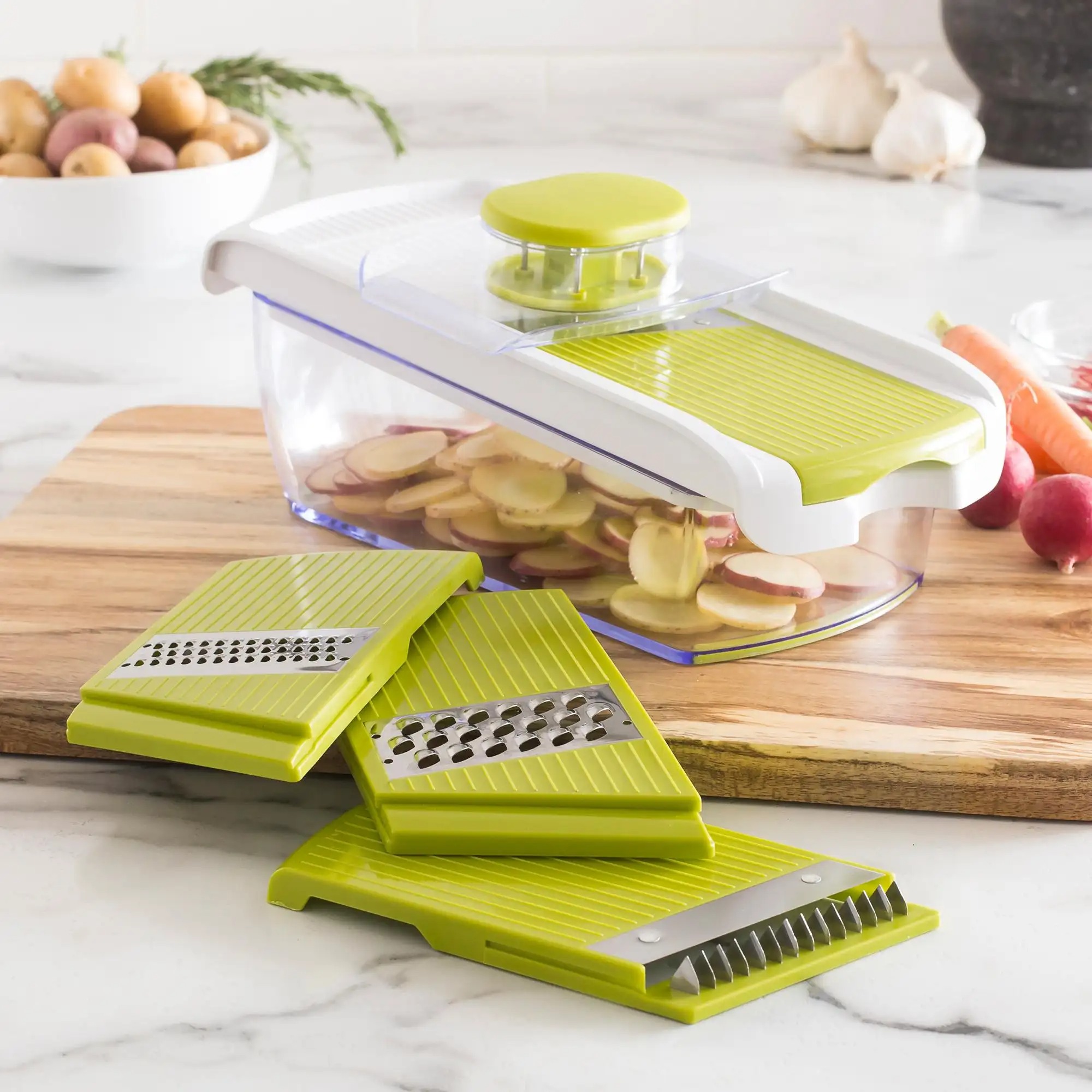
The concept of a mandoline slicer has graced kitchens for centuries, evolving from simple wooden tools to the sophisticated stainless steel and BPA-free plastic models we see today. At its core, a mandoline features a sharp, stationary blade and a platform that allows you to glide food across it, yielding consistent slices. What sets a “standing mandoline slicer” apart is its integrated, often collapsible, stand or “kickstand.” Unlike handheld versions that you typically hold over a bowl, a standing model firmly rests on your countertop, providing crucial stability and a more ergonomic, hands-free operation. Then there are specialized guillotine-style mandolines, which further enhance safety by using a plunger mechanism to push food through the blade, keeping your fingers well away from danger.
Choosing a standing mandoline over its handheld counterpart often boils down to a desire for greater stability and, by extension, increased safety. With a sturdy base, you can focus entirely on guiding your ingredients rather than steadying the tool itself. While some standing models might appear a bit bulkier, making storage a consideration, the benefits in terms of consistent results and peace of mind during use often outweigh this minor inconvenience.
Our Picks for the Best Mandoline Slicer in 2026
As an Amazon Associate I earn from qualifying purchases.
Num
Product
Action
1
Mueller Pro-Series All-in-One, 12 Blade Mandoline Slicer for Kitchen, Food Chopper, Vegetable Slicer and Spiralizer, Cutter, Dicer, Grater, Kitchen Gadgets Sets with Container, White Sand/Gray

2
Cambom Mandoline Slicer Vegetable Slicer With 2 L Container for Potatoes, Tomatoes, Cucumbers, Carrots With 10 Blades White
3
2 Pack 5 in 1 Mandoline Slicer for Kitchen, Vegetable Slicer Multi Blade Potato Chip, Veggie shredder, Vegetable Cutter, Julienne Shredder and peeler For Small Job In Kitchen
4
Mandoline Food Slicer, Adjustable Mandoline Slicer for Kitchen, Stainless Steel Mandolin Vegetable Chopper for Potato/Tomato/Onion, Vegetable Slicer Julienne Cutter with Cut-Resistant Gloves
5
Fullstar Mandoline Slicer for Kitchen, Fruit Cutter, Cheese Grater, Cucumber Slicer, Veggie Spiralizer, Food Cutter & Kitchen Gadgets & Gifts with Safety Glove (6 in 1, White)
6
Mandoline Slicer,Mandoline Food Slicer for Kitchen,Mandolin,Vegetable Chopper,Vegtable Slicer,Adjustable Stainless Steel Veggie Onion Tomato Julienne Cutter with Cut-1 Pair Cut-Resistant Gloves
7
Gramercy Adjustable Mandoline Food Slicer, Mandoline Slicer for Kitchen, Mandolin, Potato, Tomato, Carrot, Vegetable, Fruit and Onion Cutter - Stainless Steel - INCLUDING 1 Pair Cut-Resistant Gloves
8
Ourokhome Safe Mandoline Vegetable Slicer with Guard, 6-Blade Adjustable Kitchen Slicer with Container for Cucumber, Potato Chips & Salad Prep(Gray)
9
OXO Good Grips Handheld Mandoline Slicer for Kitchen, Adjustable Vegetable Slicer
10
VEKAYA Mandoline Slicer, Mandoline Slicer for Kitchen, Adjustable Mandolin, Stainless Steel Mandoline, Vegetable Slicer, Potato, Onion, Cucumber, Tomato, Veggie Slicer with Cut-Resistant Gloves
|
Our Picks for the Best Mandoline Slicer in 2026
As an Amazon Associate I earn from qualifying purchases.
|
||
| Num | Product | Action |
|---|---|---|
| 1 | Mueller Pro-Series All-in-One, 12 Blade Mandoline Slicer for Kitchen, Food Chopper, Vegetable Slicer and Spiralizer, Cutter, Dicer, Grater, Kitchen Gadgets Sets with Container, White Sand/Gray |
|
| 2 | Cambom Mandoline Slicer Vegetable Slicer With 2 L Container for Potatoes, Tomatoes, Cucumbers, Carrots With 10 Blades White |
|
| 3 | 2 Pack 5 in 1 Mandoline Slicer for Kitchen, Vegetable Slicer Multi Blade Potato Chip, Veggie shredder, Vegetable Cutter, Julienne Shredder and peeler For Small Job In Kitchen |
|
| 4 | Mandoline Food Slicer, Adjustable Mandoline Slicer for Kitchen, Stainless Steel Mandolin Vegetable Chopper for Potato/Tomato/Onion, Vegetable Slicer Julienne Cutter with Cut-Resistant Gloves |
|
| 5 | Fullstar Mandoline Slicer for Kitchen, Fruit Cutter, Cheese Grater, Cucumber Slicer, Veggie Spiralizer, Food Cutter & Kitchen Gadgets & Gifts with Safety Glove (6 in 1, White) |
|
| 6 | Mandoline Slicer,Mandoline Food Slicer for Kitchen,Mandolin,Vegetable Chopper,Vegtable Slicer,Adjustable Stainless Steel Veggie Onion Tomato Julienne Cutter with Cut-1 Pair Cut-Resistant Gloves |
|
| 7 | Gramercy Adjustable Mandoline Food Slicer, Mandoline Slicer for Kitchen, Mandolin, Potato, Tomato, Carrot, Vegetable, Fruit and Onion Cutter - Stainless Steel - INCLUDING 1 Pair Cut-Resistant Gloves |
|
| 8 | Ourokhome Safe Mandoline Vegetable Slicer with Guard, 6-Blade Adjustable Kitchen Slicer with Container for Cucumber, Potato Chips & Salad Prep(Gray) |
|
| 9 | OXO Good Grips Handheld Mandoline Slicer for Kitchen, Adjustable Vegetable Slicer |
|
| 10 | VEKAYA Mandoline Slicer, Mandoline Slicer for Kitchen, Adjustable Mandolin, Stainless Steel Mandoline, Vegetable Slicer, Potato, Onion, Cucumber, Tomato, Veggie Slicer with Cut-Resistant Gloves |
|
Anatomy of Precision: Key Features and Components
Understanding the different parts of a standing mandoline slicer is key to unlocking its full potential and ensuring safe operation. Each component plays a vital role in delivering those enviable, uniform cuts.
Adjustable Thickness Settings
This is where the magic truly happens! Most standing mandolines offer adjustable thickness settings, allowing you to go from paper-thin slices, perfect for delicate potato chips or cucumber salads, to thicker cuts for substantial gratin layers or robust vegetable roasts. These adjustments are typically managed via intuitive dials, sliders, or clearly marked numerical settings, providing precise control over your results without guesswork. The best models offer a wide range, often from less than a millimeter to half an inch (around 1mm to 12.5mm), with clear indicators so you know exactly what you’re getting.
Blade Varieties
The type and variety of blades are what give your mandoline its versatility.
- V-Blade: Often lauded for its efficiency, the V-shaped blade requires less drag, making it excellent for slicing larger, firmer produce like cabbage for coleslaw or big potatoes.
- Straight Blade: Ideal for smaller, more delicate items, an angled or straight blade ensures clean, precise cuts.
- Julienne Blades: These are a game-changer for creating matchstick-thin vegetable strips. Standing mandolines often come with interchangeable julienne blades in various thicknesses (fine, medium, coarse), perfect for stir-fries, garnishes, or shoestring fries.
- Wavy/Crinkle-Cut Blades: For a touch of flair, these blades create decorative corrugated or crinkle-cut slices, fantastic for homemade pickles or playful vegetable fries.
- Some advanced models may also include shredder or grater attachments, further expanding your culinary toolkit.
Safety First: The Handguard and Beyond
Let’s be honest, the sharpness of a mandoline can be intimidating, and safety is paramount. Every standing mandoline slicer worth its salt comes equipped with a handguard or food holder. This device securely grips your food with small spikes, acting as a protective barrier between your fingers and the ultra-sharp blade. While some cooks find that handguards leave a small, unusable piece of food, it’s a small price to pay for preventing serious injury.
Beyond the handguard, the very design of a standing mandoline inherently offers enhanced safety. Its sturdy, non-slip base keeps the tool firmly in place on your countertop, minimizing the risk of slips and wobbles during vigorous slicing. Many models also feature integrated blades or smart blade covers that click into place, ensuring safe storage and handling when not in use. For an extra layer of protection, particularly for beginners or when dealing with particularly slippery produce, investing in cut-resistant gloves is a wise decision. As the saying goes, “better safe than sorry” rings especially true in the mandoline world.
Sturdy Construction
Durability matters. A good standing mandoline should feel solid and stable, not flimsy. Look for models constructed from high-quality materials like stainless steel, which offers excellent longevity and rigidity. BPA-free plastics are also common for components that come into contact with food, ensuring both safety and ease of cleaning. The overall construction contributes significantly to both the performance and the safety of the device.
Slice Like a Pro: Safe and Effective Standing Mandoline Techniques
Using a standing mandoline slicer is a skill that, once mastered, will transform your kitchen experience. But like any sharp tool, it demands respect and proper technique.
Preparation is Key
Before you even think about slicing, prepare your produce. Wash and peel fruits and vegetables as needed. Trim larger items to fit comfortably on the mandoline’s cutting surface or within its chute. Consistency in the size of your initial piece can often lead to more uniform final slices.
Mastering the Stance
Position your standing mandoline on a clean, stable countertop. Ensure its non-slip feet are securely gripping the surface. If your model has an adjustable kickstand, set it to a comfortable angle that allows for a natural downward motion. For models with grooves, you can often rest them over a mixing bowl to catch your slices directly.
Basic Slicing Techniques
- Attach the Food: Securely impale your fruit or vegetable onto the handguard’s spikes. Ensure a firm grip.
- Position and Glide: Place the food (with the handguard) at the top of the mandoline’s platform. Using smooth, consistent pressure, glide the food down and across the blade in a single, fluid motion.
- Repeat: Lift the food, reposition it slightly, and repeat the gliding motion. Maintain a steady rhythm and consistent pressure for uniform slices. A sharp blade is crucial here, as it requires less force, reducing the chance of slips.
Safety Protocols for Every Slice
Safety is not just a suggestion; it’s a rule when using a mandoline.
- Always use the handguard. This cannot be stressed enough. It’s designed to protect your fingers.
- Maintain awareness. Keep your focus solely on the task at hand. Avoid distractions.
- Keep your fingers away from the blade. Even with a handguard, maintain a cautious distance.
- Go slow and steady. Rushing is the fastest way to an accident. A deliberate, controlled motion is always safer than a quick, erratic one.
- Consider cut-resistant gloves. Especially when working with smaller pieces or if you’re new to mandolines, these provide an invaluable layer of protection.
Expert Tip: “Chef Antoine Dubois advises, ‘Treat your standing mandoline with the respect its sharp edges command. A moment of haste can undo hours of culinary practice. Always, always use your handguard, and never rush the slice.'”
From Simple Slices to Culinary Art: Creative Cuts and Applications
The true joy of a standing mandoline slicer lies in its ability to unleash your culinary creativity. Beyond basic slicing, you can achieve a myriad of cuts that elevate both the taste and presentation of your dishes.
Paper-Thin Perfection
- Potato Chips: Slice potatoes to an almost translucent thinness for homemade, crispy chips.
- Cucumber Salads: Achieve uniform, delicate cucumber rounds that absorb dressings beautifully.
- Carpaccios: Create elegant, wafer-thin slices of vegetables like beets or zucchini for impressive appetizers.
- Gratins: Layer potatoes, sweet potatoes, or other root vegetables into a visually stunning and evenly cooked gratin.
- Onion Rings: Thin, consistent onion rings cook evenly and achieve the perfect crispness.
Elegant Julienne Strips
With the julienne blade, you can transform vegetables into elegant, slender strips.
- Stir-fries: Perfect for carrots, bell peppers, and zucchini, ensuring quick and even cooking.
- Garnishes: Add a professional touch to soups, salads, and main courses with delicate vegetable matchsticks.
- Matchstick Fries: Make your own perfectly portioned, crispy french fries.
Wavy Wonders and Crinkle Cuts
These fun, decorative cuts add visual appeal to any dish.
- Decorative Pickles: Transform cucumbers or carrots into wavy delights for a unique presentation.
- Veggie Fries: Give your sweet potato or zucchini fries an appealing crinkle cut.
Beyond the Basics
While primarily a slicer, some standing mandolines, especially those with adjustable julienne blades, can indirectly assist with dicing. By first creating julienne strips, you can then easily cut across them with a knife to produce perfectly uniform dice, significantly speeding up prep time for things like mirepoix or salsas. You can also shred cabbage for coleslaw or thinly slice bell peppers for fajitas.
Recipe Inspirations: Imagine a vibrant zucchini and tomato gratin, each slice perfectly uniform for even baking. Picture a refreshing cucumber salad with paper-thin rounds, or homemade beet chips that are delightfully crisp. These are all within reach with your standing mandoline slicer.
The Undeniable Advantages: Why Every Kitchen Needs a Standing Mandoline
For home cooks aspiring to elevate their meals, a standing mandoline slicer offers a host of compelling benefits that extend far beyond simply cutting vegetables.
Unmatched Efficiency
Let’s face it, chopping by hand can be tedious and time-consuming, especially when preparing ingredients for a crowd or for recipes that demand numerous consistent cuts. A standing mandoline drastically speeds up meal prep, allowing you to slice through large quantities of produce in a fraction of the time it would take with a knife. This efficiency is a true blessing for busy weeknights or when entertaining guests.
Flawless Consistency
This is perhaps the mandoline’s greatest superpower. Achieving perfectly uniform slices with a knife requires years of practice and honed knife skills. A mandoline, however, delivers this consistency effortlessly, regardless of your skill level. Uniform slices ensure even cooking, meaning every piece of your gratin is perfectly tender, every potato chip crisps up just right, and every vegetable in your stir-fry cooks at the same rate. As Chef Cara Tannenbaum, assistant dean of students at the Institute of Culinary Education, aptly puts it, a mandoline “gives you regularity—everything’s exactly the same—and it’s a great thing to have if you’re an avid home cook.”
Elevated Presentation
We eat with our eyes first! The precise, professional-looking cuts achieved with a mandoline transform ordinary ingredients into culinary works of art. Beautifully arranged, uniform slices of fruit or vegetables add an undeniable aesthetic appeal to salads, platters, and garnished dishes, making your home-cooked meals look like they came straight from a gourmet restaurant.
Expanding Culinary Horizons
Having a tool that makes complex cuts simple encourages experimentation. You might find yourself trying new recipes that call for very thin slices or intricate julienne strips, recipes you might have avoided before due to the daunting prep work. From delicate potato pavés to elegant tarts and vibrant vegetable slaws, a standing mandoline empowers you to explore new techniques and cuisines, broadening your cooking repertoire.
Keeping It Sharp: Maintenance and Cleaning for Longevity
To ensure your standing mandoline slicer remains a safe and effective kitchen ally for years to come, proper maintenance and cleaning are crucial. Given the razor-sharp blades, this step demands utmost care.
Safe Cleaning Practices
Always approach cleaning with caution. The safest method for removing stubborn food debris from blades is to use a strong spray from your faucet or a dedicated cleaning brush. Avoid wiping directly against the blade with your bare hands or a cloth. Instead, set the blade to its widest-open position to easily rinse away particles, then close it when you carefully wipe it down with a soapy sponge. While some mandoline parts may be dishwasher-safe, hand-washing blades is generally recommended to preserve their sharpness and longevity.
Blade Care and Storage
After cleaning, ensure all components are thoroughly dry before reassembling or storing. Blades should always be handled with care and stored safely. Many standing mandolines come with specific slots or covers for their interchangeable blades, minimizing exposure and risk. If not, consider a dedicated blade storage solution or keep the mandoline in its original box to prevent accidental cuts when reaching into drawers or cupboards. Proper storage not only protects you but also prevents the blades from dulling prematurely by rubbing against other utensils.
Prolonging Your Mandoline’s Life
The sharpness of your blade directly impacts both performance and safety. A dull blade requires more pressure, increasing the risk of slips. If your mandoline’s blades are removable or designed for sharpening, consider having them professionally sharpened when you notice a decline in performance. For some models, a honing steel can be used to maintain the blade’s edge between professional sharpenings. Always refer to your specific model’s instructions for sharpening guidelines.
Frequently Asked Questions (FAQ)
Q: What makes a standing mandoline slicer different from other types?
A standing mandoline slicer features a built-in base or “kickstand” that allows it to rest securely on your countertop, providing greater stability and often a more hands-free operation compared to handheld models. This stability enhances safety and makes it easier to achieve consistent cuts for larger volumes of food.
Q: Are standing mandoline slicers safe to use?
Yes, standing mandoline slicers are designed with safety in mind. They typically include a handguard to protect your fingers, and their stable base minimizes the risk of slipping. Some models, like guillotine-style slicers, offer even more integrated safety features to keep hands away from the blade. Always use the provided safety equipment and follow instructions carefully.
Q: Can I use a standing mandoline slicer for all types of produce?
Standing mandolines excel at slicing firm fruits and vegetables like potatoes, carrots, cucumbers, and apples. While some can handle softer produce like ripe tomatoes, results can vary, sometimes leading to mush rather than clean slices if the blade isn’t exceptionally sharp. Avoid very soft or irregularly shaped items that cannot be secured by the handguard.
Q: How do I adjust the thickness on my standing mandoline?
Thickness adjustments on standing mandoline slicers are typically made via a dial, slider, or lever located on the side or underside of the unit. Many models feature clear numerical or color-coded markings to indicate different thickness settings, allowing for precise control over your slice dimensions.
Q: What are the essential safety accessories for a standing mandoline?
The most essential safety accessory is the handguard or food holder that comes with your mandoline. Additionally, many experienced cooks recommend investing in a pair of cut-resistant gloves for an extra layer of protection, especially when you are new to using the tool or handling small or challenging pieces of produce.
Q: How often should I clean my standing mandoline slicer?
You should clean your standing mandoline slicer immediately after every use to prevent food from drying and sticking to the blades and components. This ensures optimal hygiene and makes the cleaning process easier and safer. Refer to your manual for specific cleaning instructions, as some parts may be dishwasher-safe while blades often require careful hand-washing.
Q: Can dull blades on a standing mandoline be sharpened?
Some standing mandoline blades, particularly those made of stainless steel and designed for interchangeability, can be sharpened. It’s often best to have these professionally sharpened to maintain their precise edge. For certain models, a honing steel can be used between professional sharpenings to keep the blade keen, but always check your mandoline’s specific guidelines.
Conclusion
The standing mandoline slicer is a truly indispensable kitchen tool, bridging the gap between home cooking and professional-grade precision. Its inherent stability offers a safer, more controlled slicing experience, allowing you to effortlessly create uniform cuts that not only cook more evenly but also elevate the visual appeal of your dishes. From everyday salads to intricate gratins and decorative garnishes, a standing mandoline empowers you to achieve culinary feats you might have once thought impossible. So, embrace the power of this remarkable slicer, prioritize safety, and get ready to transform your kitchen into a hub of efficiency and creativity. It’s time to experiment, discover new possibilities, and share the beautifully prepared meals that your standing mandoline slicer helps you create.