Every serious cook knows the secret to restaurant-quality dishes isn’t just about exquisite flavors; it’s also about impeccable presentation and consistent cooking. This is where the Professional Mandoline Slicer becomes an indispensable tool in any kitchen, transforming ordinary vegetables into perfectly uniform slices, juliennes, and more, with unparalleled speed and precision.
What Defines a Professional Mandoline Slicer?
A mandoline slicer isn’t just a kitchen gadget; a professional model is a commitment to culinary excellence, designed for durability, precision, and versatility. What truly sets a professional mandoline slicer apart from its everyday counterparts? It’s a blend of robust construction, meticulous engineering, and thoughtful safety features that empower you to achieve consistent results every single time.
Professional mandolines are typically crafted from high-grade stainless steel, ensuring longevity and stability, even under demanding use. This heavy-duty construction minimizes flex and wobble, allowing for razor-thin, uniform cuts that are simply unachievable with a standard chef’s knife. Think wafer-thin potato chips, perfectly even gratins, or delicate radish ribbons that elevate any dish. Their advanced blade systems often include adjustable thickness settings, sometimes down to half-millimeter increments, and a range of interchangeable blades for diverse cutting styles, from julienne to waffle cuts.
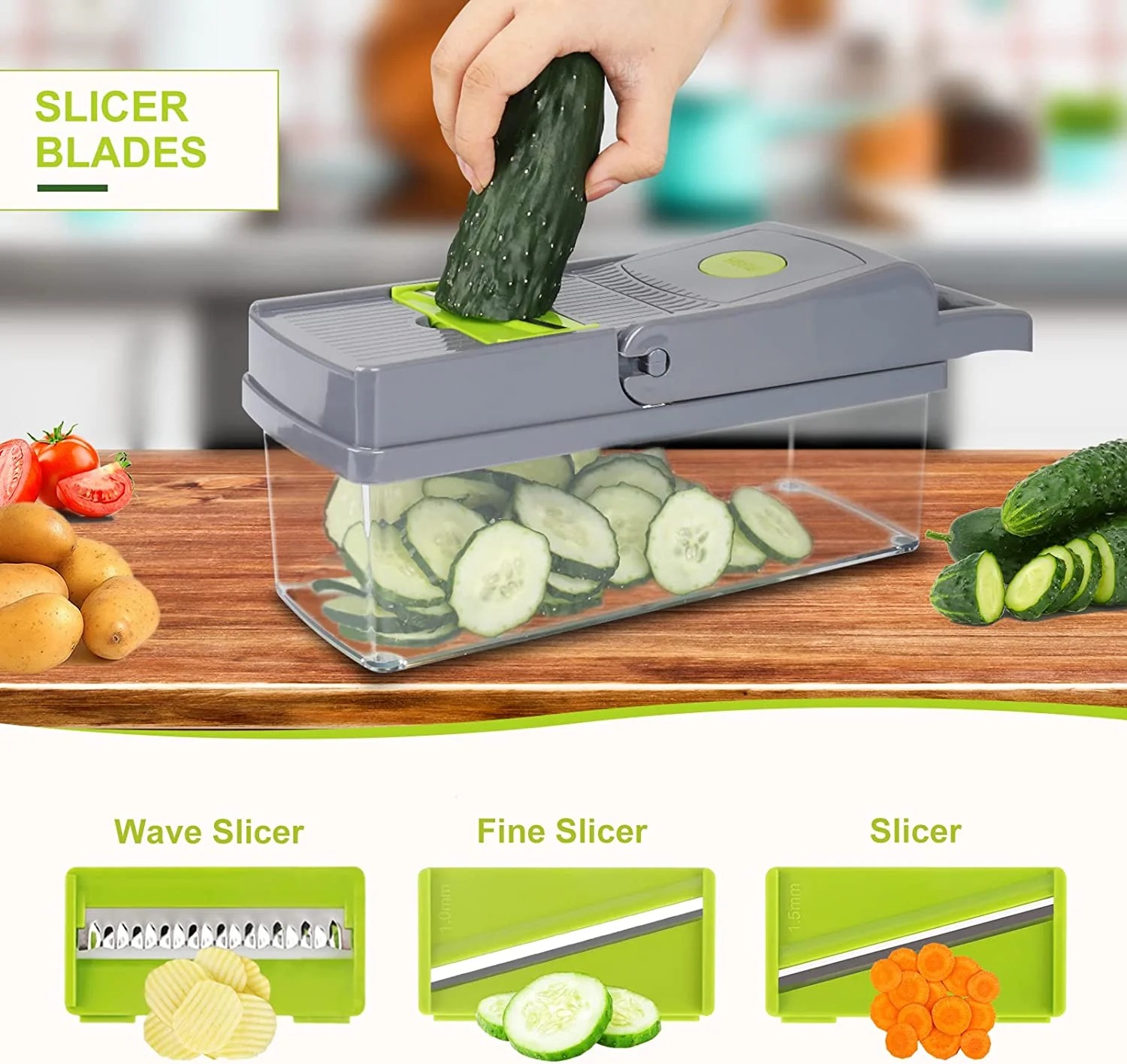
Moreover, safety is paramount. Professional mandolines integrate superior hand guards and non-slip bases, recognizing that even seasoned chefs can face risks with such sharp instruments. These features are not mere accessories but integral design elements, ensuring both efficiency and peace of mind in a busy kitchen.
Exploring the Different Types of Professional Mandoline Slicers
The world of professional mandoline slicers offers a variety of designs, each with its own strengths. Understanding these types helps you choose the perfect partner for your culinary adventures.
What are the main types of mandoline slicers available for professionals?
Broadly, professional mandolines come in French, Japanese, and V-blade styles, each offering distinct advantages.
- French Mandolines: These are the classics, often constructed from stainless steel and known for their sturdy, robust build. They typically feature a straight blade and often require assembling various metal parts and interchangeable inserts to achieve different cuts like julienne or waffle. Brands like Bron Coucke exemplify this traditional, heavy-duty design, favored for high-volume use. While they might have a learning curve, their durability and precision are unmatched.
- Japanese Mandolines: In contrast, Japanese mandolines are generally lighter and more compact, often utilizing a sharp, diagonally set stainless steel or ceramic blade. These are celebrated for their exceptional sharpness and ease of use, often featuring simple knob adjustments for thickness. Benriner is a renowned Japanese brand, favored by many professional chefs for its straightforward design, incredible sharpness, and consistent, clean slices. They excel at ultra-thin cuts and are often easier to store.
- V-blade Mandolines: Gaining popularity, V-blade mandolines feature a blade with two angled entry points, which can reduce drag and make slicing softer foods, like tomatoes, much easier. While some V-blade designs might limit interchangeable blade options for specialty cuts, they often offer adjustable thickness settings for straight slicing.
Should I choose a handheld or a countertop mandoline slicer?
Both handheld and kickstand (countertop) models have their merits in a professional setting. Handheld mandolines offer greater control over the slicing angle and can be positioned directly over a bowl, making them ideal for smaller tasks and quick prep. Countertop models, with their stable kickstands and non-slip feet, provide a secure platform, freeing up your non-dominant hand and often feeling safer for larger batches. Ultimately, the best choice depends on your specific needs and comfort.
The Heart of the Matter: Key Features and Components
Understanding the essential parts of a professional mandoline slicer will help you appreciate its capabilities and maintain it effectively.
What features should I look for in a professional mandoline slicer?
When investing in a professional mandoline slicer, several key features contribute to its performance, versatility, and safety.
- Blades: The sharpness and material of the blades are paramount. High-carbon stainless steel offers exceptional sharpness and edge retention, while ceramic blades are celebrated for holding their edge longer and resisting rust. Beyond the straight slicing blade, professional models often include interchangeable or integrated blades for julienne, waffle, crinkle, and French fry cuts, expanding your culinary repertoire.
- Thickness Adjustment: Precision is king. Look for models that offer a wide range of thickness settings, often adjustable in half-millimeter increments, controlled by easy-to-use dials or levers. This allows for ultimate control, from paper-thin carpaccio to thicker gratin slices.
- Hand Guard (Food Holder): This is non-negotiable for safety. A well-designed hand guard securely grips the food with spikes and features a protective barrier, keeping your fingers well away from the razor-sharp blade. Some advanced guards are spring-loaded or ride smoothly on rails for enhanced usability and safety.
- Stable Base and Non-Slip Feet: For countertop models, sturdy legs and non-slip rubberized feet are crucial for preventing movement during vigorous slicing, ensuring stability and reducing the risk of accidents. Many also feature grooves to securely rest over a mixing bowl.
- Material and Construction: Professional mandolines typically boast high-grade stainless steel bodies, which are durable, hygienic, and easy to clean. Some also incorporate high-quality, BPA-free plastics for lighter designs without compromising strength.
- Integrated Storage: Safe storage for interchangeable blades and the hand guard is essential to protect both the user and the blades themselves when the tool is not in use.
Mastering the Mandoline: Safe and Effective Use
A professional mandoline slicer is a powerful tool, and with power comes the need for respect and proper technique.
How do I use a mandoline slicer safely and effectively?
Using a mandoline safely and effectively boils down to preparation, technique, and unwavering vigilance.
Preparation is Key:
- Stable Setup: Always ensure your mandoline is on a stable, non-slip surface. If it’s a kickstand model, make sure the legs are fully extended and locked. If handheld, position it securely over a bowl or cutting board.
- Right Blade, Right Thickness: Select the appropriate blade and desired thickness setting before you start slicing.
- Inspect Your Produce: Ensure vegetables or fruits are clean and appropriately sized to fit the mandoline’s chute and hand guard. Larger items may need to be trimmed first.
Technique for Perfect Slices:
- Engage the Hand Guard: Always, always use the provided hand guard or a cut-resistant glove. This is your primary defense against injury. Securely attach the food to the prongs of the hand guard.
- Smooth and Steady: With consistent, even pressure, guide the food down the mandoline’s platform and across the blade in a smooth, fluid motion. Avoid jerky or forceful movements. A slight downward angle often helps the blade engage properly.
- Listen to Your Tool: A sharp blade will slice with minimal resistance. If you find yourself forcing the food, your blade might be dull or the food too tough, increasing the risk of slippage.
Safety Tips You Can’t Ignore:
- Never Slice Bare-Handed: Even experienced chefs sustain injuries. Prioritize safety by using your hand guard or cut-resistant gloves.
- Mind Your Fingers: Keep your fingers and thumb tucked away from the blade, using the hand guard to push the food.
- Slow Down: Despite the mandoline’s speed, take your time, especially when getting to the end of a piece of produce.
- Sharpen Regularly: A dull blade is more dangerous than a sharp one because it requires more force, increasing the chance of slipping.
Unlock Culinary Creativity: Innovative Cuts and Applications
The professional mandoline slicer isn’t just about utility; it’s a gateway to artistic expression in the kitchen, allowing for cuts that redefine texture and presentation.
What kinds of cuts can a professional mandoline slicer make?
With a professional mandoline, your cutting possibilities extend far beyond simple slices. You can achieve:
- Paper-Thin Slices: Ideal for potato chips, cucumber salads, radish garnishes, carpaccio, or translucent onion rings. These delicate cuts cook evenly and present beautifully.
- Julienne: Perfect for creating matchstick-sized vegetable strips for stir-fries, spring rolls, coleslaws, or elegant garnishes. Think carrots, zucchini, or bell peppers.
- Waffle and Crinkle Cuts: Add a fun, unique texture to potatoes (for waffle fries!), sweet potatoes, or even cucumbers, enhancing both visual appeal and how food holds sauces.
- Dicing and Shredding: Some versatile mandolines with interchangeable blades can also produce uniform dice or shred cabbage for quick slaws and fermenting projects.
The Unbeatable Edge: Benefits of a Professional Mandoline Slicer
Beyond the visual appeal, integrating a professional mandoline slicer into your kitchen workflow offers tangible advantages.
Why should I use a professional mandoline slicer?
The benefits of using a professional mandoline slicer are numerous, impacting efficiency, consistency, and the overall quality of your culinary creations.
- Time-Saving: What would take considerable time and effort with a knife can be accomplished in a fraction of the time, allowing for faster meal prep and increased efficiency in a busy kitchen.
- Unparalleled Consistency: Achieve perfectly uniform slices every single time. This consistency is crucial for even cooking, ensuring that all pieces of food cook at the same rate, avoiding overcooked or undercooked bits.
- Enhanced Presentation: Elevate the visual appeal of your dishes with precisely cut vegetables. Uniform shapes and thinness add a touch of professionalism and sophistication to any plate, making your food look as good as it tastes.
- Expanded Culinary Horizons: Experiment with new textures and presentations that are difficult or impossible to achieve by hand, opening up new recipe possibilities.
Keeping Your Blade Keen: Maintenance and Cleaning
To ensure your professional mandoline slicer remains a high-performing tool for years, proper care and maintenance are essential.
How do I clean and maintain my professional mandoline slicer?
Cleaning and maintaining your professional mandoline slicer requires care, primarily due to its extremely sharp blades.
- Immediate Cleaning: The best practice is to clean your mandoline immediately after use. Food particles are easier to remove before they dry and harden.
- Hand Washing is Best: While some components may be dishwasher-safe, hand washing is generally recommended for blades. Use hot, soapy water.
- Safety First During Cleaning: Never wipe directly against the blade’s sharp edge. Instead, wipe in the opposite direction, or use a gentle brush (often included with the mandoline) or a strong spray from your faucet to dislodge any stuck-on food. Many professionals recommend setting the blade to its widest-open position for easier and safer cleaning, then closing it before wiping.
- Disassemble for Thoroughness: If your mandoline has interchangeable blades or removable parts, disassemble it for a more thorough clean, ensuring no food debris remains in crevices.
- Dry Completely: After washing, ensure all parts are thoroughly dry before storing to prevent rust, especially on stainless steel blades.
- Blade Care: For ultimate longevity and safety, keep your blades sharp. Some mandolines allow for sharpening with a honing steel, while others offer replacement blades. A sharp blade is always safer and more effective.
The Professional Mandoline Slicer: A Game-Changer
For anyone serious about cooking, the professional mandoline slicer is more than just a tool; it’s a strategic investment in efficiency, precision, and culinary artistry. It’s the secret weapon that allows home cooks to achieve chef-level results and empowers culinary professionals to work smarter, not harder. From delicate garnishes to perfect potato gratins, the uniform slices and diverse cuts a high-quality mandoline provides will transform your kitchen experience. Embrace the power of precision, enhance your dishes, and savor the consistent perfection a professional mandoline slicer brings to your table. Try one out and experience the difference for yourself!