Ever dreamt of effortlessly creating restaurant-quality dishes with perfectly uniform slices of vegetables? Enter the Mandoline Vegetable Slicer, a kitchen marvel that transforms tedious prep work into a swift, satisfying experience. This incredible tool isn’t just for professional chefs; it’s a game-changer for any home cook looking to elevate their culinary creations, ensuring every potato gratin, delicate cucumber salad, or vibrant stir-fry boasts impeccable consistency and presentation. If you’ve ever felt intimidated by its razor-sharp blade, fear not. With the right approach, a mandoline vegetable slicer can become your most trusted ally in the kitchen, unlocking a world of precise cuts and inspiring new culinary adventures.
Understanding Your Mandoline Vegetable Slicer: A Culinary Game-Changer
Before diving into the magic, let’s get acquainted with this indispensable kitchen gadget. A mandoline vegetable slicer is essentially a cutting tool featuring a flat surface equipped with a fixed or adjustable blade. It’s designed to slice fruits and vegetables quickly, precisely, and with unparalleled uniformity, far surpassing what can be achieved with a traditional knife.
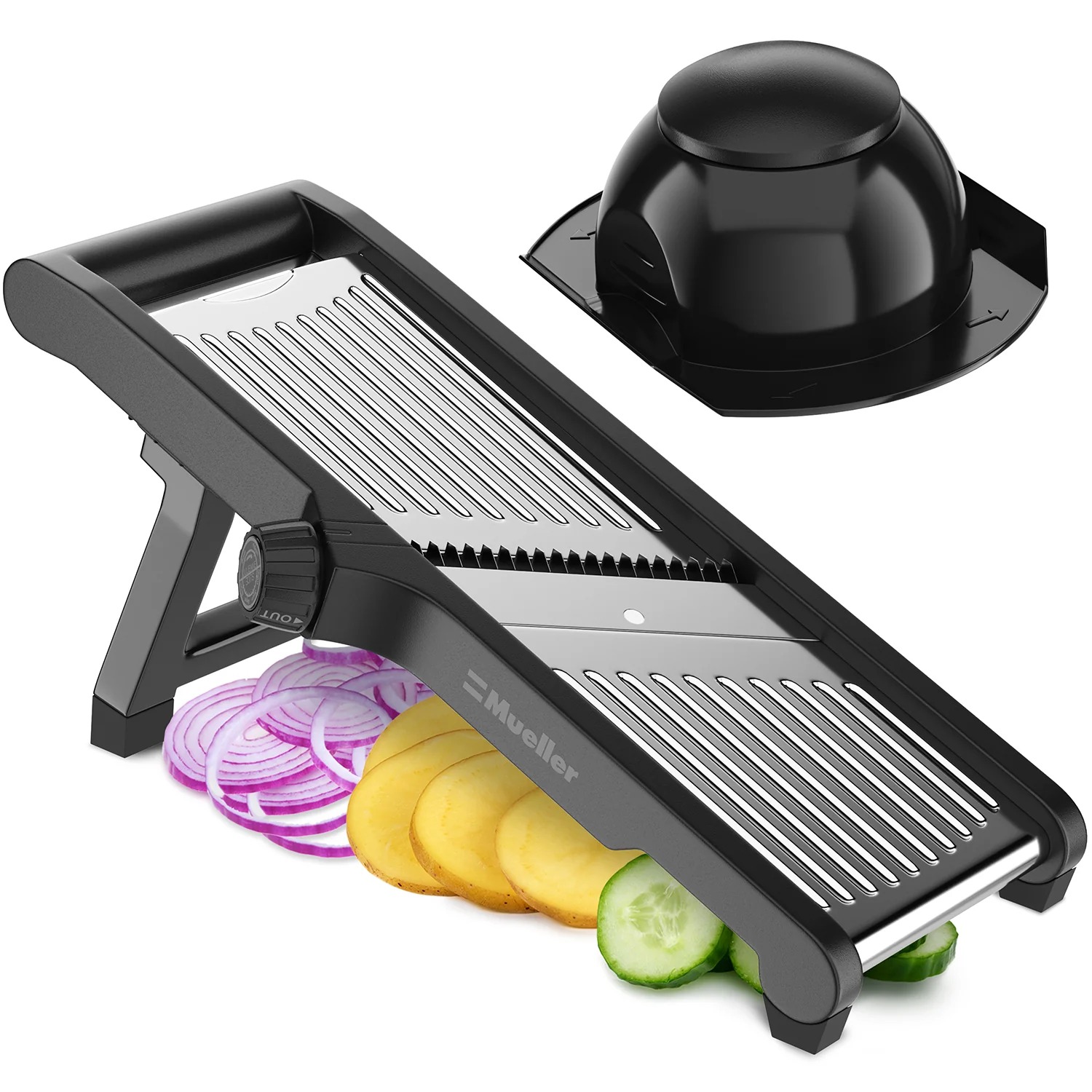
What is a Mandoline Slicer?
At its core, a mandoline slicer is a device built for efficiency and precision. By sliding an item back and forth across its sharp blade, you can produce consistent slices in mere moments. This consistency is crucial for even cooking and visually appealing dishes, turning routine vegetable preparation into an art form.
A Brief History and Evolution
While modern mandoline vegetable slicers boast sophisticated designs and materials, the concept of a uniform slicer has ancient roots. Over time, these tools evolved from simple flat blades to more intricate designs with interchangeable blades and safety features, making them more versatile and accessible to home cooks. Today’s mandolines are a testament to this evolution, blending functionality with safety and user-friendliness.
Types of Mandoline Slicers: Finding Your Perfect Match
Just like choosing the right knife, selecting the ideal mandoline vegetable slicer depends on your cooking style and needs. There are several primary types, each with unique characteristics.
- Handheld vs. Countertop: Handheld mandoline vegetable slicers are typically smaller, lighter, and easier to store, making them perfect for occasional use or kitchens with limited space. Countertop models, often called French mandolines, offer greater stability with their built-in stands, making them ideal for larger quantities of food and more intensive slicing tasks.
- V-Blade vs. Straight Blade: V-blade mandoline vegetable slicers feature a V-shaped blade that slices from two angles simultaneously, making them excellent for delicate or soft foods like tomatoes, as they reduce tearing and provide consistently even cuts. Straight-blade mandolines are reliable for firm fruits and vegetables, offering clean, precise cuts.
- Japanese Mandolines: Known for their exceptionally sharp, diagonal blades and often simpler design, Japanese mandolines are favored by many professionals for their precision and ease of use, particularly for achieving paper-thin slices.
Anatomy of Efficiency: Key Features and Parts
Understanding the components of your mandoline vegetable slicer is vital for maximizing its potential and ensuring safe operation.
The Razor-Sharp Blades: Straight, Julienne, Wavy, and More
The heart of any mandoline is its blade. Most mandoline vegetable slicers come with various interchangeable blades or adjustable settings to create a multitude of cuts. These include the fundamental straight slice, fine julienne strips (long, slender cuts like matchsticks), thicker French fry cuts, decorative wavy or crinkle cuts, and even waffle cuts. Some advanced models may also feature serrated blades perfect for softer items like bell peppers and onions.
Adjustable Thickness Settings: From Paper-Thin to Hearty Chunks
A standout feature of quality mandoline vegetable slicers is the ability to adjust slice thickness. With a simple dial or lever, you can achieve anything from gossamer-thin slices, practically translucent, to substantial cuts almost half an inch thick. This versatility allows you to customize your ingredients for different recipes and cooking methods.
The Indispensable Hand Guard and Other Safety Mechanisms
Given the incredible sharpness of the blades, safety is paramount. Nearly all mandoline vegetable slicers include a hand guard or food holder, a plastic accessory with prongs that grips the food and keeps your fingers safely away from the blade. Additionally, many models feature non-slip rubber feet to keep the slicer stable on your countertop, preventing dangerous wobbles during use.
Stable Bases and Ergonomic Designs
A well-designed mandoline vegetable slicer prioritizes stability. Countertop models often have robust, foldable stands, while handheld versions should feature rubberized bases or grips to prevent slipping. Ergonomic handles and easy-to-use adjustment dials also contribute to a comfortable and secure slicing experience.
Slicing with Confidence: Safe and Effective Use
While the mandoline vegetable slicer is a powerful tool, it demands respect and adherence to safety guidelines. Learning to use it correctly will prevent accidents and ensure consistently excellent results.
Preparation is Key: Setting Up Your Workspace
Before you even touch the blade, ensure your mandoline vegetable slicer is on a stable, flat surface. If your food item isn’t flat, make a small initial cut with a knife to create a stable base, preventing it from rocking as you slice. Having a clean, organized workspace also minimizes distractions and potential hazards.
Mastering Basic Slicing Techniques
Once set up, position your food securely in the hand guard. Apply gentle, even pressure as you glide the food over the blade, moving it back and forth in a smooth, rhythmic motion. Let the sharp blade do the work; never force the food through, as this can lead to slips and uneven cuts. For long, thin vegetables, keep your palm flat and fingers lifted. For round items, tuck your knuckles and bend your fingers, allowing the hand guard to guide the produce.
Prioritizing Safety: Essential Tips for Every User
Safety is non-negotiable when using a mandoline vegetable slicer.
- Always Use the Hand Guard: This is the golden rule. The hand guard is your primary defense against the ultra-sharp blade. Never, ever attempt to slice food without it, especially as you get to the smaller pieces.
- Consider Cut-Resistant Gloves: For an added layer of protection, particularly if you’re working with awkward ingredients or are feeling less confident, cut-resistant gloves are a wise investment. Think of them as a “bulletproof vest” for your hands, offering peace of mind.
- Maintain Sharp Blades: Counterintuitively, a sharp blade is safer than a dull one. A sharp blade glides through food effortlessly, requiring less pressure and reducing the risk of slipping. If your mandoline vegetable slicer feels like it’s dragging or resisting, it might be time for maintenance or replacement.
- Slow and Steady Wins the Race: Resist the urge to rush, especially when you’re getting into a rhythm. Taking your time ensures control and minimizes the chances of an accident.
- Know When to Stop: As you near the end of a vegetable, the hand guard might struggle to grip the last small piece. Don’t risk your fingers for that tiny bit; safely discard it or finish the cut with a knife.
Unleashing Creativity: Innovative Cuts and Culinary Applications
The mandoline vegetable slicer isn’t just about efficiency; it’s a tool for culinary artistry. The uniform cuts it produces open up a world of creative possibilities.
Elegant Thin Slices for Salads and Carpaccios
Imagine paper-thin radishes, cucumbers, or fennel for a vibrant salad, or translucent potato slices for an elegant gratin. The mandoline vegetable slicer excels at creating these delicate cuts, allowing ingredients to absorb dressings more effectively and presenting a refined aesthetic.
Perfect Julienne and Matchstick Cuts for Stir-fries and Slaws
For stir-fries, spring rolls, or coleslaws, uniform julienne or matchstick cuts are essential for even cooking and a pleasant texture. A mandoline vegetable slicer makes quick work of carrots, zucchini, or cabbage, ensuring every strip is perfectly consistent.
Fun Wavy and Waffle Cuts for Chips and Garnishes
Elevate snack time with homemade wavy-cut potato chips or add a playful touch to your vegetable platters with crinkle-cut carrots. Many mandoline vegetable slicers come with specialized blades for these decorative cuts, adding visual interest to your dishes.
Beyond Vegetables: Fruits, Cheeses, and More
While “vegetable” is in its name, a mandoline vegetable slicer is incredibly versatile. Use it to thinly slice apples for pies or tarts, shave firm cheeses like Parmesan for garnishes, or even create uniform fruit slices for dehydrating or fruit platters.
The Mandoline Advantage: Why Every Kitchen Needs One
Integrating a mandoline vegetable slicer into your kitchen arsenal offers a multitude of benefits that extend beyond mere convenience.
Unmatched Uniformity and Professional Presentation
The primary advantage is undoubtedly the consistency of cuts. Whether it’s paper-thin potato slices for a gratin or perfectly matched carrot sticks for a crudité platter, the mandoline vegetable slicer ensures every piece is identical, leading to even cooking and a professional, visually appealing presentation.
Significant Time and Effort Savings
For recipes requiring large quantities of sliced ingredients, the mandoline vegetable slicer is a true time-saver. What might take minutes or even hours with a knife can be accomplished in seconds, drastically reducing prep time and making elaborate meals more accessible. This efficiency also minimizes fatigue, especially when dealing with tough vegetables.
Elevating Your Everyday Cooking
With precision at your fingertips, you’ll find yourself experimenting more in the kitchen. The mandoline vegetable slicer encourages creativity, allowing you to easily achieve textures and presentations that might otherwise seem too complex for daily cooking. It empowers you to tackle new recipes and impress your guests with minimal effort.
Keeping Your Mandoline in Prime Condition: Maintenance and Cleaning
Proper care ensures your mandoline vegetable slicer remains a safe and effective tool for years to come.
Post-Use Cleaning: A Step-by-Step Guide
Always clean your mandoline vegetable slicer immediately after use to prevent food from drying onto the blades. Most components are removable and can be washed with warm, soapy water. Crucially, never use your bare hands to wipe the blades. Instead, use a brush or sponge, carefully working away from the blade’s edge. Some parts might be dishwasher-safe, but always check the manufacturer’s instructions.
Blade Care for Lasting Sharpness
The sharpness of the blades is key to the mandoline’s performance. While many modern blades are designed to retain their edge for a long time, proper cleaning and storage are vital. Avoid harsh abrasives that could dull the blade. If your mandoline vegetable slicer has interchangeable blades, store them safely in their designated containers.
Proper Storage: Protecting Your Investment
Once clean and dry, store your mandoline vegetable slicer in a safe place. Many models fold compactly or come with protective sleeves for their blades. Ensure the blades are covered to prevent accidental cuts when reaching into drawers or cabinets, and to protect the blades from damage.
Expert Insights
“The mandoline vegetable slicer transforms ordinary ingredients into culinary masterpieces with unparalleled precision,” says Chef Antoine Dubois, a celebrated culinary instructor. “It’s a tool that empowers both professional chefs and home cooks to achieve restaurant-quality results every single time.”
Frequently Asked Questions (FAQ)
Q: What is the primary benefit of using a mandoline vegetable slicer?
A: The main benefit of a mandoline vegetable slicer is its ability to create perfectly uniform and consistent slices much faster and more precisely than using a knife, which is crucial for even cooking and professional presentation.
Q: Can a mandoline vegetable slicer be used for fruits?
A: Absolutely! A mandoline vegetable slicer is highly versatile and can be used to thinly slice a variety of fruits, such as apples, pears, and citrus, making it perfect for desserts, garnishes, or dehydrated fruit snacks.
Q: How do I ensure safety when using a mandoline vegetable slicer?
A: To ensure safety, always use the provided hand guard, consider wearing cut-resistant gloves, operate the mandoline on a stable surface, and never force food through the blade. Discard small end pieces rather than risking your fingers.
Q: What types of cuts can a mandoline vegetable slicer make?
A: A mandoline vegetable slicer can make a variety of cuts, including straight slices (from paper-thin to thick), julienne, matchstick, French fry, wavy, crinkle, and sometimes even waffle cuts, depending on the model and its interchangeable blades.
Q: How should I clean and store my mandoline vegetable slicer?
A: After each use, clean your mandoline vegetable slicer immediately with warm, soapy water and a brush or sponge, avoiding direct contact with the blades. Store it safely with blades covered or in a protective case to prevent accidents and maintain sharpness.
Conclusion
The mandoline vegetable slicer, though often viewed with a hint of trepidation, is a truly transformative kitchen tool. It’s an investment in precision, efficiency, and culinary creativity, promising to elevate your dishes from everyday meals to extraordinary presentations. By understanding its features, embracing proper safety protocols, and exploring its vast potential, you’ll unlock a world where perfectly uniform slices and professional-looking results are not just for expert chefs, but for every passionate home cook. So, take the plunge, master your mandoline vegetable slicer, and prepare to be amazed at the consistent, beautiful results you’ll achieve in your kitchen.