Stepping into the kitchen, many of us dream of perfectly uniform slices and professional-looking dishes, but often find ourselves struggling with a chef’s knife. That’s where the trusty mandoline slicer comes in, a game-changing gadget that brings precision and speed to your meal preparation. Whether you’re a seasoned chef or a home cook looking to level up your culinary skills, a mandoline slicer can transform your ingredients and save you precious time. It’s no wonder so many cooks consider it an essential tool, making it highly sought after, whether you’re searching for a mandoline slicer near you or browsing online.
What is a Mandoline Slicer?
At its heart, a mandoline slicer is a kitchen tool designed to slice vegetables and fruits with consistent thickness. While you might associate the name with the musical instrument, this kitchen counterpart is all about sharp blades and smooth glides. Historically, mandolines have been around for centuries in various forms, evolving into the sophisticated, safe, and efficient tools we use today. They typically feature a flat surface with an adjustable blade, allowing you to achieve everything from paper-thin slices to thicker cuts.
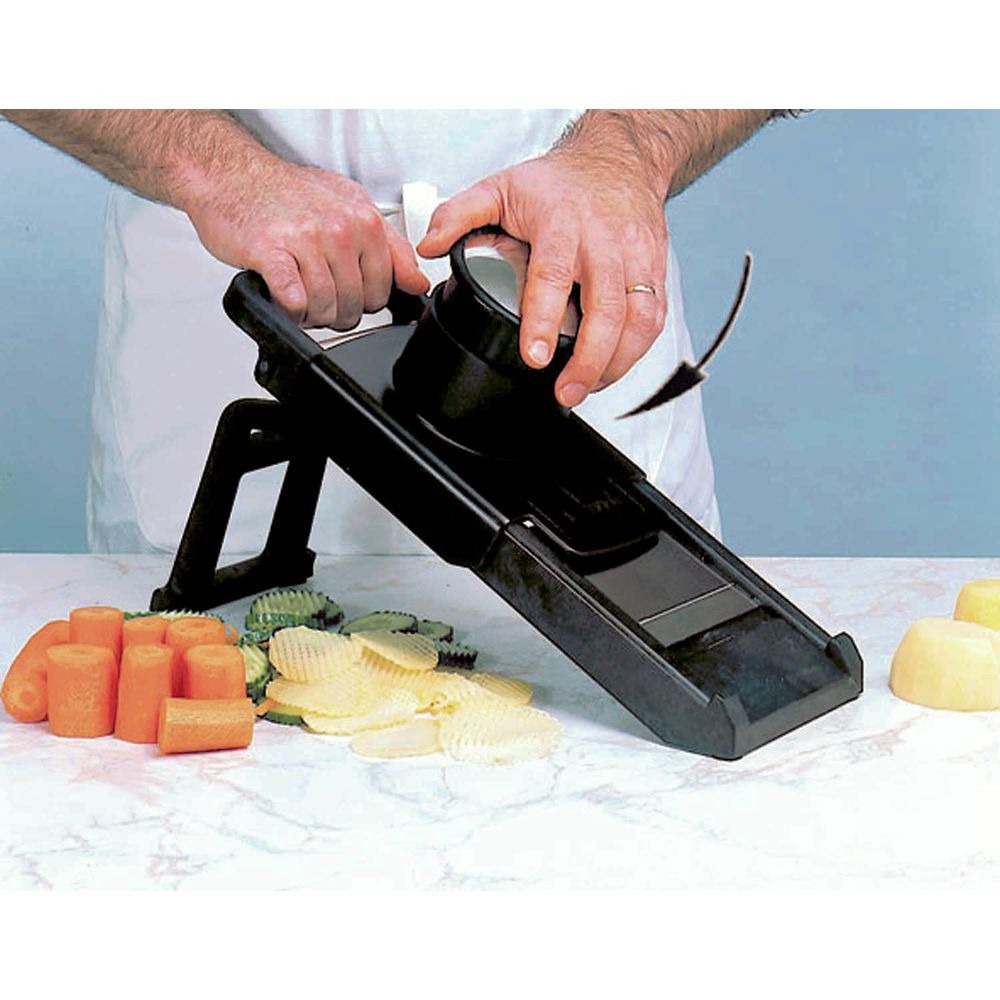
There are several types of mandoline slicers, each with its own advantages:
- V-blade Mandolines: These often have two angled blades forming a “V” shape, which makes slicing softer foods like tomatoes easier and reduces tearing. They are known for their efficiency and precision.
- Flat Mandolines (Japanese-style): Characterized by a single, straight blade, these are celebrated for their incredible sharpness and ability to produce exceptionally thin, clean cuts, especially with firmer vegetables. Many professional chefs favor them for their accuracy.
- Handheld Mandolines: Compact and often simpler, these are excellent for smaller tasks and limited kitchen space. They are convenient for quick jobs but may offer fewer slicing options.
- French Mandolines (Classic Professional): Often made of stainless steel, these larger, more robust models provide extensive adjustability and durability for a wide range of tasks, though they might come with a steeper learning curve for beginners.
The primary benefit of any mandoline slicer is the unparalleled uniformity it provides, leading to even cooking and stunning presentation. However, their incredibly sharp blades require careful handling to ensure safety.
|
Our Picks for the Best Mandoline Slicer in 2026
As an Amazon Associate I earn from qualifying purchases.
|
||
| Num | Product | Action |
|---|---|---|
| 1 | Ourokhome Safe Mandoline Vegetable Slicer with Guard, 6-Blade Adjustable Kitchen Slicer with Container for Cucumber, Potato Chips & Salad Prep(Gray) |

|
| 2 | VEKAYA Mandoline Slicer, Mandoline Slicer for Kitchen, Adjustable Mandolin, Stainless Steel Mandoline, Vegetable Slicer, Potato, Onion, Cucumber, Tomato, Veggie Slicer with Cut-Resistant Gloves |
|
| 3 | Gramercy Adjustable Mandoline Food Slicer, Mandoline Slicer for Kitchen, Mandolin, Potato, Tomato, Carrot, Vegetable, Fruit and Onion Cutter - Stainless Steel - INCLUDING 1 Pair Cut-Resistant Gloves |
|
| 4 | Cambom Mandoline Slicer Vegetable Slicer With 2 L Container for Potatoes, Tomatoes, Cucumbers, Carrots With 10 Blades White |
|
| 5 | Mandoline Food Slicer, Adjustable Mandoline Slicer for Kitchen, Stainless Steel Mandolin Vegetable Chopper for Potato/Tomato/Onion, Vegetable Slicer Julienne Cutter with Cut-Resistant Gloves |
|
| 6 | 2 Pack 5 in 1 Mandoline Slicer for Kitchen, Vegetable Slicer Multi Blade Potato Chip, Veggie shredder, Vegetable Cutter, Julienne Shredder and peeler For Small Job In Kitchen |
|
| 7 | Fullstar Mandoline Slicer for Kitchen, Fruit Cutter, Cheese Grater, Cucumber Slicer, Veggie Spiralizer, Food Cutter & Kitchen Gadgets & Gifts with Safety Glove (6 in 1, White) |
|
| 8 | OXO Good Grips Handheld Mandoline Slicer for Kitchen, Adjustable Vegetable Slicer |
|
| 9 | Mandoline Slicer,Mandoline Food Slicer for Kitchen,Mandolin,Vegetable Chopper,Vegtable Slicer,Adjustable Stainless Steel Veggie Onion Tomato Julienne Cutter with Cut-1 Pair Cut-Resistant Gloves |
|
| 10 | Mueller Pro-Series All-in-One, 12 Blade Mandoline Slicer for Kitchen, Food Chopper, Vegetable Slicer and Spiralizer, Cutter, Dicer, Grater, Kitchen Gadgets Sets with Container, White Sand/Gray |
|
Understanding the Anatomy: Key Features of Your Mandoline
To truly master your mandoline slicer, it helps to know its fundamental components and what makes a good one truly stand out.
- Adjustable Thickness Settings: This is perhaps the most crucial feature. High-quality mandoline slicers offer a wide range of thickness adjustments, often via a knob or lever, allowing you to select precise measurements, from 0.5mm to several millimeters. This versatility means you can prepare ingredients for delicate garnishes or hearty gratins.
- Interchangeable Blades: Many mandoline slicers come with a selection of blades beyond the standard straight slicer. These often include:
- Julienne blades: For matchstick cuts, perfect for salads or stir-fries.
- Waffle and Crinkle Cut blades: For decorative cuts that add visual appeal and unique texture to dishes like homemade chips or pickles.
- “The ability to switch blades easily is a hallmark of a truly versatile mandoline slicer,” notes Chef Isabelle Dubois, renowned culinary instructor. “It unlocks a world of creative possibilities in the kitchen.”
- Hand Guard/Food Holder: This is your best friend when using a mandoline slicer. It’s a plastic or metal contraption with prongs that securely holds your food, keeping your fingers safely away from the razor-sharp blade. Never skip using this essential safety component.
- Non-Slip Feet/Stable Base: A mandoline slicer needs to be incredibly stable during use. Most models feature rubberized feet or a sturdy, foldable stand to prevent slipping and wobbling, ensuring a safe and consistent slicing experience.
Mastering Your Mandoline: Safe and Effective Use
While a mandoline slicer is a powerhouse for precision, its sharp blades demand respect and proper technique. Here’s how to use yours safely and effectively.
Preparation is Key
Before you even touch the blade, ensure your workspace is ready. Place your mandoline slicer on a flat, stable surface, making sure its feet are securely gripping the countertop. If it has a collapsible stand, make sure it’s fully extended and locked in place. Wash and dry your fruits and vegetables thoroughly, ensuring they are free of any slippery residues. For items like potatoes or large carrots, you might want to trim them slightly to create a flat surface for initial stability, making them easier to handle with the food guard.
Basic Slicing Techniques
Once your mandoline slicer is set up, attach the desired blade and adjust the thickness. Secure your food item in the hand guard. With a firm, yet gentle, grip on the food guard, slide the food over the blade in a smooth, continuous motion. The key is consistent, even pressure. Let the sharpness of the blade do the work; never force the food through. For longer vegetables like cucumbers, you can slide them along the length of the mandoline. For rounder items, maintain a steady rhythm, pushing downwards and forwards.
Safety First! Essential Tips
Using a mandoline slicer requires vigilance.
- Always Use the Hand Guard: This cannot be stressed enough. The hand guard is designed to protect your fingers from the blade. No matter how small the piece of food, or how confident you feel, always use it.
- Consider Cut-Resistant Gloves: For an added layer of protection, especially when working with smaller, trickier items, invest in a good pair of cut-resistant gloves. They provide peace of mind and significantly reduce the risk of injury.
- Discard Small Ends: As you get to the very end of a fruit or vegetable, where the hand guard can no longer securely grip it, resist the temptation to slice it manually. Discard or compost the small end to prevent finger injuries. “It’s always better to waste a tiny bit of vegetable than to risk a trip to the emergency room,” advises Chef Dubois.
- Slow and Steady: Avoid rushing. While mandolines are fast, maintaining a controlled pace is crucial for safety and consistent results.
- Keep Blades Locked When Not in Use: Many mandoline slicers have a safety lock or a “zero” setting that retracts the blade, making it safer to handle and store.
Beyond Basic Slices: Creative Cuts and Culinary Applications
The mandoline slicer isn’t just for simple slices; it’s a tool for culinary creativity.
- Paper-Thin Slices: Imagine potato chips so thin they practically melt in your mouth, or delicate cucumber ribbons for an elegant salad. A mandoline makes this effortless. Think about transforming root vegetables into stunning gratins or shaving radishes for a pop of color and crunch.
- Julienne Cuts: Achieve perfect matchsticks for vibrant stir-fries, crispy vegetable fries, or elegant garnishes. Carrots, zucchini, and bell peppers are fantastic for julienne cuts, adding texture and visual interest to any dish.
- Waffle and Crinkle Cuts: These decorative cuts are a hit, especially for homemade potato chips or sweet potato fries that really stand out. They also increase the surface area, allowing sauces and seasonings to cling better.
- Dicing (with specific models): Some advanced mandoline slicers can even dice vegetables like onions, bell peppers, or even firm fruits, significantly speeding up prep for salsas, relishes, or mirepoix.
With a mandoline slicer, ordinary ingredients can become extraordinary, turning everyday meals into works of art.
The Undeniable Benefits of a Mandoline Slicer
Why should a mandoline slicer be a staple in your kitchen? The benefits are clear and compelling.
- Time-Saving Efficiency: This is perhaps the most celebrated advantage. A mandoline slicer can slice a large quantity of vegetables in a fraction of the time it would take with a knife, drastically cutting down on meal prep time. This efficiency is especially valuable for batch cooking or preparing for gatherings.
- Unrivaled Uniformity: Every slice will be consistently thick, which is paramount for even cooking. Imagine scalloped potatoes where every slice cooks perfectly, or a vegetable gratin that bakes uniformly without some pieces being raw and others overcooked. This consistency also contributes to a more professional presentation.
- Elevated Dish Aesthetics: Let’s be honest, we eat with our eyes first. Beautifully sliced vegetables elevate the visual appeal of any dish, making your home-cooked meals look like they came straight from a gourmet restaurant. Delicate garnishes, precise layers, and artistic cuts become achievable with ease.
- Enhanced Flavor and Texture: Uniform slices don’t just look good; they impact how food tastes and feels. Thinly sliced vegetables can absorb marinades more effectively and cook faster, resulting in more tender or crisp textures depending on the preparation.
Keeping Your Mandoline Slicer Pristine: Maintenance and Cleaning
Proper care ensures your mandoline slicer remains a safe, effective, and long-lasting tool in your kitchen. Cleaning a mandoline requires caution due to its sharp blades.
Disassembly and Initial Rinse
After each use, immediately disassemble your mandoline slicer if it has removable parts. Carefully remove the cutting blade, slicing platform, and hand guard. Rinse each component thoroughly under warm running water to remove any large food debris. This prevents food from drying and sticking to the surfaces, making subsequent cleaning much easier.
Gentle Cleaning
Once the larger pieces are rinsed off, use a soft-bristle brush or a non-abrasive sponge with mild dish soap to scrub away any remaining food particles. Pay extra attention to crevices and around the blade area, always brushing away from the sharp edge, never towards it. For stubborn stains, a paste of baking soda and water can be effective. Avoid abrasive cleaners, steel wool, or harsh chemicals, which can damage the mandoline’s surface or dull the blade. Rinse all parts thoroughly to remove soap residue. Some mandoline slicers are dishwasher safe, but always check the manufacturer’s instructions, and if washing in a dishwasher, ensure the blade doesn’t come into contact with other items.
Drying and Storage
After cleaning, it’s crucial to dry all parts thoroughly. Air drying is often recommended to prevent rust, especially on stainless steel blades. Once completely dry, reassemble your mandoline slicer or store the blades safely in their protective covers or a designated storage box. Many models are designed to fold flat for compact storage, which also helps protect the blade. Storing your mandoline slicer properly not only prolongs its life but also prevents accidental cuts.
Frequently Asked Questions About Mandoline Slicers
Is a mandoline slicer worth it for home cooks?
Absolutely! While some perceive mandoline slicers as professional tools, they are incredibly beneficial for home cooks, offering precision and speed that dramatically simplify meal prep for a wide range of dishes.
How do I choose the right mandoline slicer?
Consider the types of cuts you’ll make most often, your budget, and available storage space. Look for models with adjustable thickness, a robust hand guard, and a stable base. Reading reviews can also help you identify reliable brands.
Are mandoline slicers difficult to use?
Initially, they might seem intimidating due to their sharpness. However, with proper safety precautions, especially consistently using the hand guard and a steady technique, mandoline slicers are straightforward and easy to master.
What is the safest way to use a mandoline slicer?
The safest way involves always using the hand guard, considering a cut-resistant glove, ensuring the mandoline is on a stable surface, and never forcing food through the blade. Prioritize safety over speed.
Can I sharpen my mandoline slicer’s blade?
Some mandoline blades, particularly higher-end models, can be professionally sharpened. For many home models, it’s often more practical to replace the blade if it becomes dull, as a sharp blade is safer and more effective.
What can I make with a mandoline slicer?
The possibilities are vast! You can make perfect potato chips, gratins, julienned vegetables for salads or stir-fries, thin cucumber slices, onion rings, fruit tarts, and much more, all with impressive uniformity.
Where can I find a mandoline slicer near me?
Mandoline slicers are widely available. You can often find them at major department stores, specialty kitchen supply stores, or large retailers like Target and Walmart. Many online stores also offer a vast selection, often with local pickup options if you need one quickly. Searching online with “Mandoline Slicer Near Me” often directs you to local stock or convenient delivery services.
Conclusion
The mandoline slicer is more than just a kitchen gadget; it’s an investment in efficiency, precision, and culinary artistry. By understanding its features, mastering safe usage techniques, and maintaining it properly, you unlock a world of perfectly sliced ingredients and beautifully presented dishes. It saves time, ensures uniform cooking, and elevates your culinary creations to new heights, making it an indispensable tool for any passionate cook. So, don’t hesitate to explore the versatility of a mandoline slicer and witness the transformation it brings to your kitchen adventures. Try it out, experiment with new recipes, and share your perfectly sliced masterpieces!