In the fast-paced world of professional kitchens, where every second counts and consistency is paramount, the Industrial Mandoline Slicer stands as an indispensable tool. Far beyond its humble domestic counterpart, this heavy-duty workhorse transforms the meticulous task of slicing and dicing into a streamlined, high-volume operation. For “Thế Giới Mandoline,” our goal is to empower culinary professionals and enthusiasts alike with the knowledge to select, utilize, and maintain these powerful devices, ensuring optimal performance and impeccable results. An industrial mandoline slicer isn’t just about speed; it’s about achieving a level of uniform precision that elevates dish presentation and cooking consistency, truly a game-changer for any serious food preparation environment.
What Sets an Industrial Mandoline Slicer Apart?
While the core principle remains the same – a sharp blade for consistent cuts – an industrial mandoline slicer is engineered for the rigors of commercial use. These aren’t the lightweight gadgets you might find in a home kitchen; they are robust machines built to withstand continuous, demanding operation.
Historically, slicing devices with sliding carriages and blades have existed since the 17th century. The modern mandoline, believed to have emerged in 19th-century France, quickly found its place in professional settings. Today’s industrial models build upon this legacy, offering enhanced durability, larger capacities, and advanced safety features designed for high-volume food preparation.
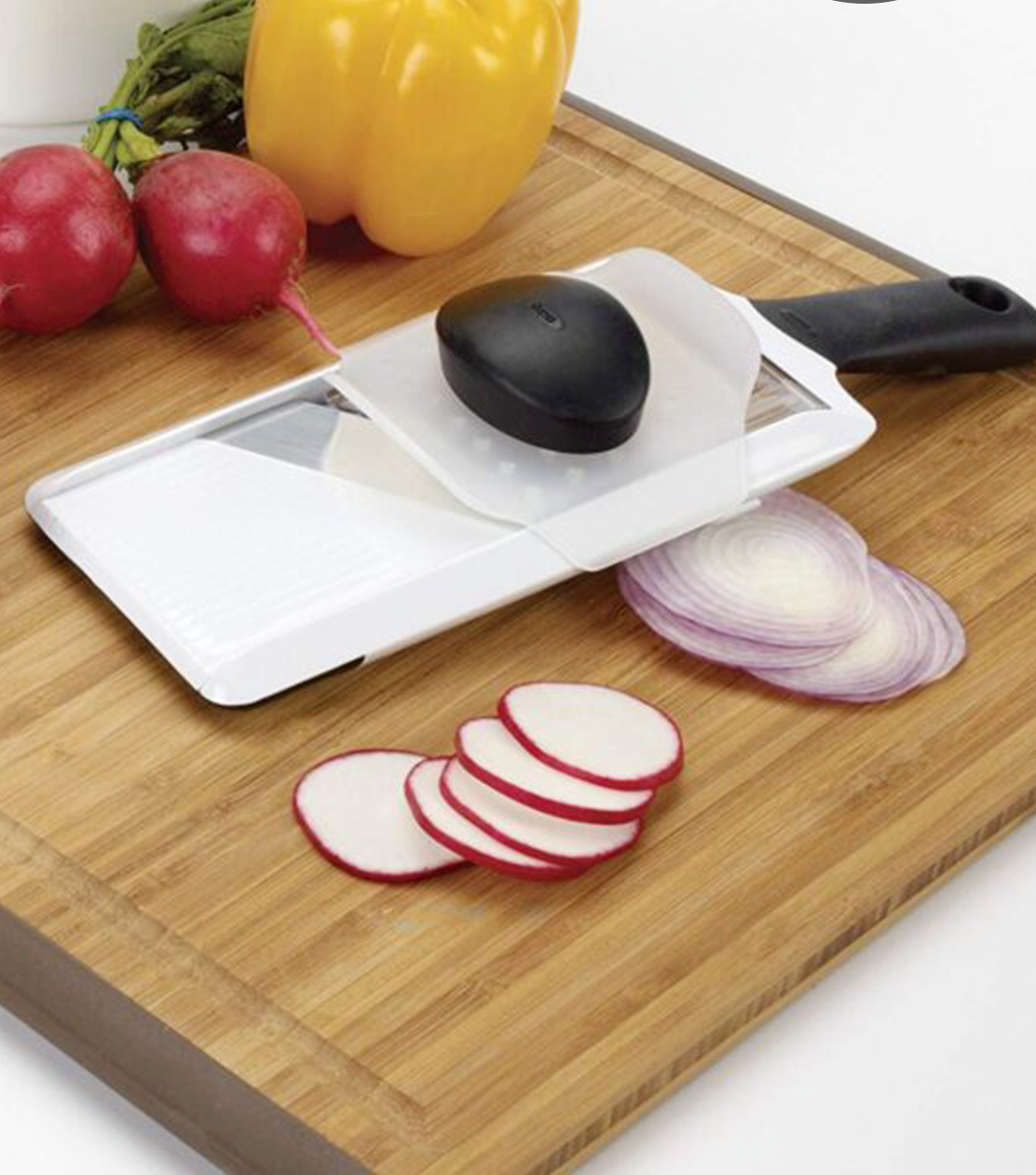
The primary difference lies in construction and capability. Domestic mandolines often feature plastic components and are designed for occasional use, whereas an industrial mandoline slicer typically boasts a heavy-duty stainless steel frame, broader cutting surfaces, and more powerful mechanisms, whether manual or electric, to handle substantial quantities of produce with ease and consistency.
Types and Essential Features for the Modern Kitchen
Industrial mandolines come in various designs, each tailored to specific needs within a commercial kitchen environment. Understanding these types and their features is key to selecting the right tool for your operation.
Exploring the Different Designs
- Manual Heavy-Duty Mandolines: These are the most common in professional kitchens, often constructed from high-grade stainless steel. They rely on manual operation but are built for intensive use. Examples include traditional French mandolines with a straight blade or Japanese mandolines often featuring V-shaped blades.
- Electric/Automated Slicers: For extremely high-volume applications, some industrial settings may utilize automated slicers, sometimes integrated into larger food processing lines. While not always referred to as “mandolines” in the traditional sense, they fulfill a similar precision slicing function on a larger scale.
Key Features to Prioritize in an Industrial Mandoline Slicer
When considering an industrial mandoline slicer, look for these critical elements:
- Superior Material Construction: Stainless steel is the industry standard for its durability, hygiene, and resistance to corrosion. Look for models that are easy to clean and sanitize.
- Precision Adjustable Thickness: The ability to precisely control slice thickness, often with micrometer-level adjustments or lever-based settings, is vital. This ensures uniformity across batches, which is crucial for consistent cooking and appealing presentation.
- Versatile Blade Options: An ideal industrial mandoline slicer offers a range of interchangeable or built-in blades, including straight, crinkle, waffle, and various julienne sizes (e.g., 2mm, 4mm, 7mm, 10mm). This versatility allows for a myriad of cuts to suit different culinary applications.
- Robust Safety Mechanisms: Given the extreme sharpness of the blades, safety is paramount. Look for models with secure hand guards or food pushers that keep fingers away from the cutting edge, non-slip bases for stability, and blade covers for safe storage. Some advanced designs minimize hand contact with the blades through unique feeding systems.
- Ease of Disassembly and Cleaning: Commercial kitchens demand rapid and thorough cleaning. An industrial mandoline slicer should be easy to disassemble, clean with antibacterial soap and hot water, and sanitize after each use to prevent cross-contamination.
Essential Applications in Commercial Kitchens
The versatility of an industrial mandoline slicer makes it invaluable across a wide spectrum of culinary tasks, from fine dining to catering and food processing.
Transforming Produce with Precision Cuts
- Julienne: Creating uniform thin strips of vegetables (carrots, zucchini, potatoes) for stir-fries, garnishes, and elegant salads.
- Brunoise: Dicing vegetables into tiny, perfectly square cubes, essential for classic French dishes like mirepoix or ratatouille.
- Chiffonade: Shredding leafy herbs like basil and parsley into delicate ribbons for sauces and garnishes, enhancing both flavor and visual appeal.
- Fine Slices: Producing paper-thin slices for delicate carpaccios, potato gratins, crispy vegetable chips, or dehydrated ingredients.
- Waffle and Crinkle Cuts: Adding texture and visual interest to potatoes, carrots, and other vegetables for side dishes and presentations.
The consistent cuts achieved by an industrial mandoline slicer not only save time but also ensure even cooking, leading to superior final dishes.
Using Your Industrial Mandoline Slicer Safely and Effectively
Operating an industrial mandoline slicer requires respect for its sharp blades and adherence to proper techniques to maximize efficiency and minimize risk.
Preparation is Key
- Stable Surface: Always place the mandoline on a flat, stable, and non-slip surface, like a sturdy countertop.
- Clean and Assembled: Ensure your mandoline is clean and all parts are correctly assembled and locked into place before you begin.
- Proper Ingredients: Prepare your produce by washing it and trimming any irregular ends to ensure it fits securely in the hand guard.
Mastering the Cutting Technique
- Secure Grip: Use the provided hand guard or food pusher religiously. This is your primary defense against injury. Never attempt to slice food directly with your bare hands.
- Consistent Motion: Apply steady, even pressure and use a smooth, continuous motion to slide the food item across the blade. Avoid forcing the food, as this can lead to uneven cuts or dangerous slips.
- Adjusting Thickness: Utilize the thickness adjustment lever or dial to achieve your desired cut size. Start with a thicker setting if you’re experiencing difficulty, then adjust down.
Indispensable Safety Tips
“Safety isn’t just a recommendation; it’s a fundamental principle when operating an industrial mandoline slicer,” advises Chef Anya Sharma, a seasoned culinary operations specialist. “Always wear cut-resistant gloves – even with a hand guard – and never let distractions pull your focus from the task at hand. Your fingers will thank you.”
- Wear Cut-Resistant Gloves: These provide an extra layer of protection for your hands and are highly recommended during both operation and cleaning.
- Stay Focused: Distraction can lead to accidents. Give your full attention to the task.
- Never Reach: If a piece of food falls, let it drop. Do not attempt to catch it with your hands.
- Children: Industrial mandolines are not toys; keep them out of reach of children and ensure no unsupervised use.
The Unmatched Benefits of an Industrial Mandoline Slicer
Investing in a high-quality industrial mandoline slicer offers significant advantages for any commercial food service operation.
Efficiency Redefined
- Time Savings: Drastically reduces preparation time compared to manual knife work, especially for large volumes of food.
- Consistent Results: Achieves uniform slice thickness every time, which is critical for consistent cooking, portion control, and professional presentation.
- Reduced Labor: Automating or semi-automating the slicing process can free up staff for other critical kitchen tasks, leading to reduced labor costs.
- Minimized Waste: Precision slicing means less unusable product, contributing to better inventory management and cost savings.
- Enhanced Presentation: Beautifully and consistently cut ingredients elevate the aesthetic appeal of any dish, impressing customers and reflecting professionalism.
- Versatility: A single industrial mandoline slicer can often replace several specialized tools, saving valuable kitchen space.
Maintenance and Cleaning: Extending the Life of Your Investment
Proper care and cleaning are vital for maintaining the performance, longevity, and safety of your industrial mandoline slicer.
A Step-by-Step Cleaning Guide
- Disassemble Immediately: After each use, disassemble all removable parts of your mandoline slicer. Food residue can dry and become difficult to remove.
- Rinse Thoroughly: Rinse all components under warm running water to remove loose food debris.
- Wash with Care: Use warm, soapy water and a soft-bristle brush or sponge. Pay extra attention to the blade areas, being extremely careful not to touch the sharp edges directly. For tough stains, a baking soda paste can be effective.
- Blade Cleaning Technique: When cleaning the blades, always wipe in a direction away from the sharp edge, never towards it. This minimizes the risk of cuts.
- Sanitize: After washing, sanitize all components, especially before switching between raw and ready-to-eat foods.
- Dry Completely: Crucially, ensure all parts are thoroughly dry before reassembling and storing to prevent rust and maintain the integrity of the materials.
- Lubrication: For models with moving mechanical parts like transport rods or carriage rods, lubricate them with silicone-free, food-grade oil. Never use cooking oils.
Important Maintenance Tips
- Blade Sharpening: Have your blades professionally sharpened regularly. Dull blades require more force, increasing the risk of accidents and producing subpar cuts.
- Storage: Store the mandoline and its inserts in a protective case or dedicated holder, ideally out of reach of children, to prevent damage and accidents.
- Avoid Abrasives: Do not use abrasive cleaners, steel wool, or harsh chemicals, as these can damage the surfaces of your industrial mandoline slicer.
Choosing the Right Industrial Mandoline Slicer for Your Needs
Selecting the ideal industrial mandoline slicer involves assessing your specific operational requirements.
Key Considerations
- Volume and Frequency of Use: For very high-volume kitchens, prioritize robust, heavy-duty stainless steel models with efficient feeding mechanisms.
- Types of Produce and Cuts: Consider the primary ingredients you’ll be slicing and the variety of cuts you need to achieve. Ensure the mandoline offers the necessary blade types and thickness adjustments.
- Footprint and Storage: Evaluate the available counter and storage space in your kitchen. Some models are more compact or have foldable stands.
- Budget: While cost is a factor, prioritize durability, safety, and performance as an industrial mandoline slicer is a long-term investment that will yield significant returns in efficiency and quality.
- Brand Reputation and Reviews: Research reputable brands known for commercial kitchen equipment and check user reviews for insights into real-world performance and longevity.
Frequently Asked Questions about Industrial Mandoline Slicers
Q: What is the main difference between a home and industrial mandoline slicer?
A: An industrial mandoline slicer is built for heavy-duty, continuous use in commercial environments, featuring robust stainless steel construction, larger cutting surfaces, more precise adjustment mechanisms, and enhanced safety features compared to its often plastic-based domestic counterpart.
Q: Can an industrial mandoline slicer cut hot foods?
A: Generally, mandoline slicers are designed for firm, raw fruits and vegetables. Cutting hot, soft, or very pliable foods can be difficult and potentially unsafe, leading to inconsistent cuts or jamming. It’s best to allow foods to cool and firm up before slicing.
Q: How often should industrial mandoline blades be sharpened?
A: The frequency depends on usage. In a busy commercial kitchen, blades may need sharpening several times a year, or even more frequently for continuous high-volume use. A professional service is recommended to ensure proper sharpening without excessive wear.
Q: Are all industrial mandoline slicers electric?
A: No, many high-performance industrial mandoline slicers are manual, relying on robust construction and sharp blades for efficient operation. Electric models exist for very high-volume or specialized processing, but manual versions are common for their versatility and precision.
Q: What safety precautions are crucial for industrial mandoline slicers?
A: Always use the hand guard or food pusher, wear cut-resistant gloves, maintain a stable working surface, apply even and gentle pressure, and never directly touch the blades during use or cleaning. Focus is key to preventing accidents.
Elevate Your Culinary Craft with an Industrial Mandoline Slicer
The industrial mandoline slicer is more than just a kitchen gadget; it’s a strategic asset for any professional kitchen or serious culinary enthusiast. By providing unmatched precision, efficiency, and versatility, it transforms mundane prep tasks into an art form, consistently delivering perfectly cut ingredients that elevate every dish. We encourage you to explore the capabilities of a quality industrial mandoline slicer and experience firsthand the profound impact it can have on your kitchen’s productivity and culinary output. Embrace the power of precision and redefine your food preparation standards today.