In the bustling world of modern kitchens, efficiency and elegance go hand-in-hand. For home cooks and culinary enthusiasts alike, achieving perfectly uniform slices of fruits and vegetables can transform a simple meal into a gourmet experience. This is where the Hand Held Mandoline Slicer steps in, a compact yet powerful kitchen tool designed to deliver chef-quality cuts with remarkable ease and speed. Forget the tedious, uneven results of a knife; this nimble device is your secret weapon for elevating everyday food preparation.
What is a Hand Held Mandoline Slicer?
At its core, a mandoline slicer is a kitchen utensil used for slicing and cutting food, most often fruits and vegetables. While larger, freestanding models exist, the hand held mandoline slicer is distinguished by its compact size and ergonomic design, intended to be held in one hand while the other guides the food. This portability makes it an ideal choice for smaller kitchens, quick tasks, and direct slicing over a bowl or plate, streamlining your workflow and minimizing cleanup. It’s essentially a specialized, ultra-sharp blade set within a frame, allowing you to slide ingredients over it for consistent results every time.
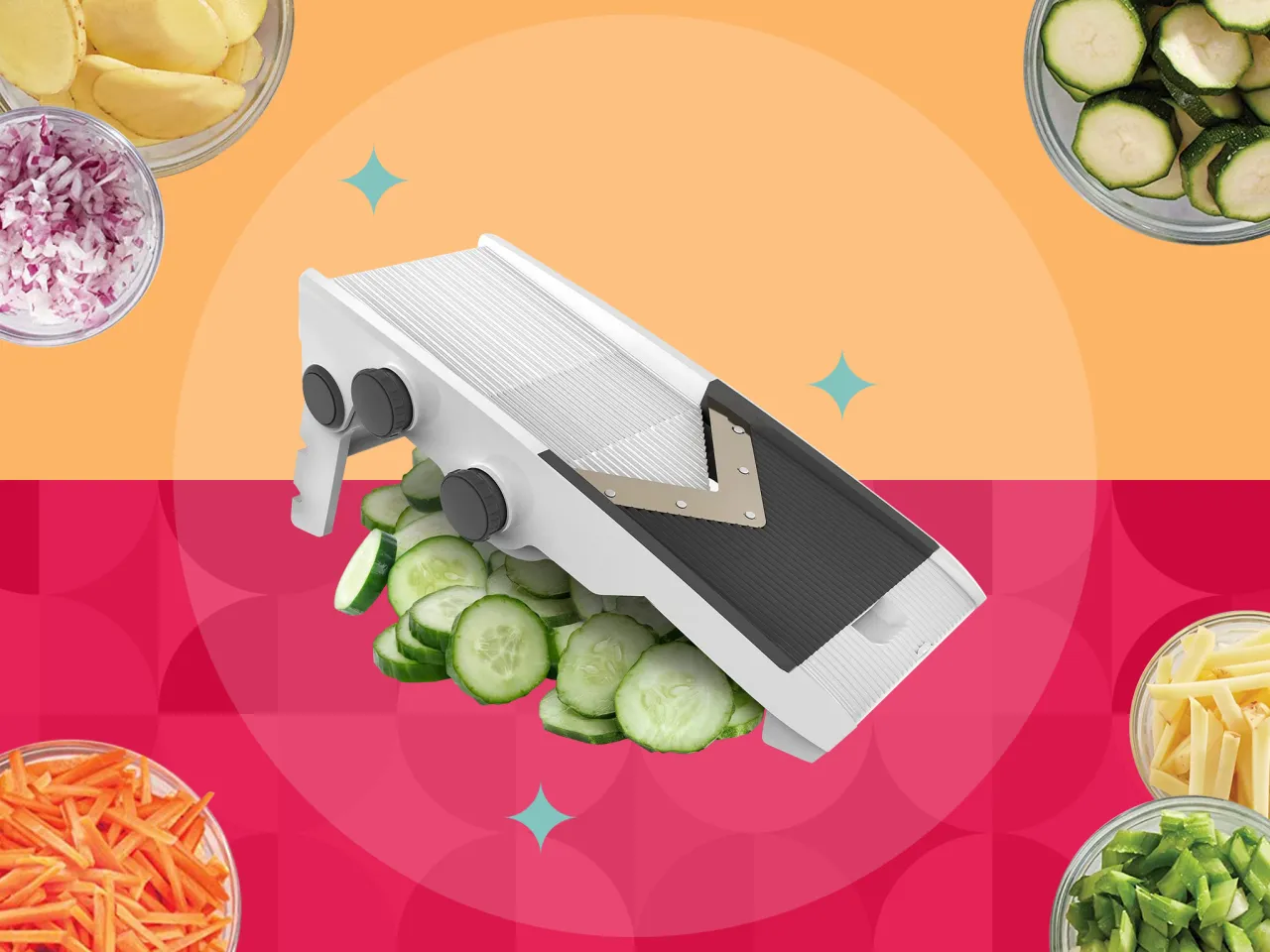
These smaller versions often feature a single, fixed blade with adjustable thickness settings, though some might offer interchangeable blades for varied cuts. Their primary advantage lies in their simplicity and storage-friendly footprint, making them a favorite for those who value both function and space.
Key Features That Matter in Your Hand Held Mandoline Slicer
Choosing the right hand held mandoline slicer can significantly impact your slicing experience. Here are the essential features to look for:
Adjustable Thickness Settings
One of the most crucial aspects of any mandoline is its ability to control slice thickness. Most quality hand held models offer at least three distinct settings, often ranging from ultra-thin (like 1mm, perfect for delicate potato chips or cucumber ribbons) to medium (around 2.5mm for gratins) and thicker cuts (up to 4mm for heartier vegetables). These adjustments are typically made via a sliding tab or a simple knob, allowing for quick transitions between desired slice profiles.
Blade Types and Material
While larger mandolines might boast multiple blade inserts, many hand held versions simplify things with a single, incredibly sharp straight blade. Some premium models may incorporate a V-blade, known for its ability to cut through softer produce like tomatoes without tearing. The material of the blade is equally important:
- Stainless Steel: Durable, corrosion-resistant, and widely used, offering a consistently sharp edge.
- Ceramic: Known for exceptional sharpness and resistance to rust, making it a great choice for maintaining a pristine edge over time.
The Indispensable Hand Guard/Food Holder
Safety is paramount when dealing with razor-sharp blades, and the hand guard, or food holder, is your best friend. This accessory securely grips your food item, protecting your fingers from the blade as you slide it across. A well-designed hand guard should offer a comfortable grip and effectively push the food through to the very end, minimizing waste and maximizing safety. Never underestimate its importance; it’s a non-negotiable feature for any safe hand held mandoline slicer.
Non-Slip Design for Stability
Whether you’re resting it on a cutting board or hooking it over a bowl, stability is key. Look for a hand held mandoline slicer with a non-slip handle and/or a non-slip foot. This ensures the slicer stays firmly in place during use, preventing dangerous slips and slides, and providing a steady platform for precise cutting.
Ease of Cleaning
Nobody wants a kitchen tool that’s a hassle to clean. Many hand held mandolines are designed to be dishwasher-safe, which is a huge bonus. If handwashing is required, look for designs that are easy to rinse, with minimal nooks and crannies where food can get stuck. Safe blade handling during cleaning is also a critical consideration.
How to Use Your Hand Held Mandoline Slicer Safely and Effectively
Using a hand held mandoline slicer can feel intimidating at first, but with the right technique and a steadfast commitment to safety, you’ll be slicing like a pro in no time.
Preparation is Key
Before you even touch the blade, ensure your workspace is stable. If your mandoline has a non-slip foot, brace it firmly against a cutting board or hook it securely over a bowl. For larger or unwieldy vegetables, a quick preliminary cut with a knife can create a flat, stable surface for easier and safer slicing. Always ensure your ingredients are clean and ready to go.
Mastering the Grip and Glide
Attach your food item securely to the hand guard. The guard is designed to keep your fingers safely away from the blade. Hold the mandoline with a firm, non-slip grip in one hand, while the other hand, holding the food in the guard, applies gentle, even pressure as you glide it over the blade. Use a consistent, controlled motion. The goal is to let the sharpness of the blade do the work, not brute force.
Safety First, Always
This cannot be stressed enough: always use the hand guard. Professional chefs may sometimes skip it, but for home cooks, it’s an indispensable safety tool. For an extra layer of protection, consider wearing cut-resistant gloves, especially when you are new to using a mandoline or working with particularly slippery produce. Maintain focus throughout the entire slicing process; distractions can lead to accidents. If you find the food item getting too small or difficult to grip with the guard, it’s safer to stop, discard the small remnant, or finish it carefully with a knife rather than risking your fingers.
Choosing the Right Cut
Experiment with your mandoline’s thickness settings. The thinner settings are excellent for delicate dishes like paper-thin garlic slices for garnish, crispy homemade potato chips, or translucent cucumber rounds for salads. Thicker settings are great for potato gratins, robust stir-fry vegetables, or hearty root vegetable dishes.
Unleashing Culinary Creativity: Cuts and Applications
The hand held mandoline slicer isn’t just about basic slices; it’s a gateway to a world of culinary possibilities, limited only by your imagination.
- Thin Slices: Perfect for creating ethereal potato gratin layers that cook evenly, delicate cucumber ribbons for refreshing salads, or onion slices so fine they practically melt into your dishes. Imagine homemade sweet potato chips or apple tarts with beautifully arranged fruit.
- Julienne Cuts: While some simpler hand held models might not have this feature, those with interchangeable blades or specific settings can produce elegant matchstick-sized vegetable strips. These are fantastic for stir-fries, spring rolls, or vibrant salad garnishes.
- Wavy/Crinkle Cuts: Certain advanced hand held mandolines can create playful wavy or crinkle-cut slices, adding visual appeal to roasted vegetables, pickles, or homemade French fries.
With your hand held mandoline slicer, you can effortlessly prepare ingredients for a variety of dishes, ensuring consistent cooking and a professional presentation that will impress your family and friends.
The Benefits Beyond the Blade: Why Choose a Hand Held Mandoline?
Investing in a hand held mandoline slicer brings a host of advantages to your kitchen:
- Time Efficiency in Meal Prep: What might take several minutes with a knife can be done in seconds with a mandoline. This speed is invaluable for busy weeknights or when preparing larger quantities for gatherings.
- Professional-Looking, Uniform Results: Achieving perfectly even slices is the hallmark of a skilled chef, and a mandoline delivers this consistency every time. Uniformity not only looks appealing but also ensures even cooking, preventing some pieces from being overcooked while others remain raw.
- Enhanced Flavor and Texture: Consistent thickness means consistent cooking, which translates to better texture and flavor in your finished dishes.
- Compact Storage Solution: Unlike bulky food processors or larger mandoline models, hand held versions are designed to be slim and easy to store in a drawer or hung on a hook, making them perfect for kitchens with limited space.
Maintaining Your Mandoline: Care and Longevity
Proper care for your hand held mandoline slicer ensures its longevity and maintains its peak performance.
Cleaning Tips
The razor-sharp blades demand careful handling even during cleaning. Ideally, clean your mandoline immediately after use to prevent food from drying onto the blade or frame. For models that are dishwasher-safe, you can simply place them on the top rack. If handwashing, use a brush or sponge, always wiping away from the blade’s edge. Never reach blindly into soapy water where the blade might be lurking. A good rinse under a strong stream of water can often remove most food particles.
Blade Care and Storage
Always store your hand held mandoline slicer with the blade covered, either by its integrated cover, the hand guard, or a dedicated sleeve. This protects both the blade’s sharpness and your hands from accidental cuts. While ceramic blades hold their edge exceptionally well, stainless steel blades might benefit from occasional professional sharpening, though most home cooks will find the factory edge lasts a long time with proper care. A sharp blade is a safe blade, as it requires less force to cut, reducing the risk of slippage.
Frequently Asked Questions About Hand Held Mandoline Slicers
Here are some common questions about this versatile kitchen tool:
Q: Are hand held mandoline slicers safe to use?
A: Yes, when used correctly and with proper safety precautions. Always use the provided hand guard or food pusher, and consider cut-resistant gloves for added protection. Never force food through the blade.
Q: Can you julienne with a hand held mandoline slicer?
A: Some hand held mandoline slicers come with interchangeable blades or specific settings that allow for julienne cuts. However, many basic hand held models are primarily designed for straight slicing at various thicknesses. Always check the product specifications.
Q: How do I choose the best hand held mandoline slicer?
A: Look for adjustable thickness settings, a high-quality (stainless steel or ceramic) sharp blade, a robust hand guard, and non-slip features for stability. Ease of cleaning and compact storage are also important considerations.
Q: What’s the difference between a hand held and a countertop mandoline?
A: Hand held mandolines are typically smaller, more portable, and often simpler in design, ideal for quick tasks and limited space. Countertop models are larger, offer greater stability with legs, and usually provide more blade options and precise thickness adjustments, catering to more extensive prep work.
Q: How do I clean my hand held mandoline slicer?
A: Clean immediately after use. Many are dishwasher-safe; if handwashing, use a brush and wipe carefully away from the blade edge. Always ensure the blade is covered during storage.
Conclusion
The hand held mandoline slicer is more than just a kitchen gadget; it’s an indispensable tool that empowers you to create beautifully prepared dishes with speed, precision, and confidence. From razor-thin potato chips to perfectly uniform vegetable slices for your next gratin, this compact marvel transforms ordinary ingredients into culinary masterpieces. Embrace the efficiency, revel in the consistency, and enjoy the enhanced aesthetic your cooking will gain. With a little practice and adherence to safety, your hand held mandoline slicer will become a beloved companion, inspiring you to experiment and elevate every meal you prepare.