Stepping into the kitchen, many of us dream of creating dishes that look as good as they taste. Achieving those perfectly uniform slices of vegetables or fruits, however, often feels like a chef’s secret, a skill reserved for culinary school graduates with years of knife practice. But what if I told you there’s a tool that brings that precision right to your home kitchen, effortlessly? Enter the mandoline slicer – a game-changer for anyone looking to elevate their food preparation. This guide will walk you through everything you need to know when you’re ready to buy a mandoline slicer, ensuring you make an informed choice that will optimize your slicing experience.
Understanding Mandoline Slicers: Types and Key Features
A mandoline slicer is an indispensable kitchen gadget that makes quick work of repetitive slicing tasks, providing consistent thickness that’s nearly impossible to achieve with a hand knife. Whether you’re aiming for paper-thin potato chips, delicate cucumber rounds for a viral salad, or precise julienne carrots for a stir-fry, a mandoline delivers.
A Brief History and Evolution
The concept of a slicing tool dates back centuries, but the modern mandoline, as we know it, gained prominence in French kitchens. Initially robust, all-metal constructions, mandolines have evolved to include lighter, more user-friendly designs, with innovations focused on safety and versatility. Today’s mandolines range from simple handheld models to multi-functional units with various interchangeable blades.
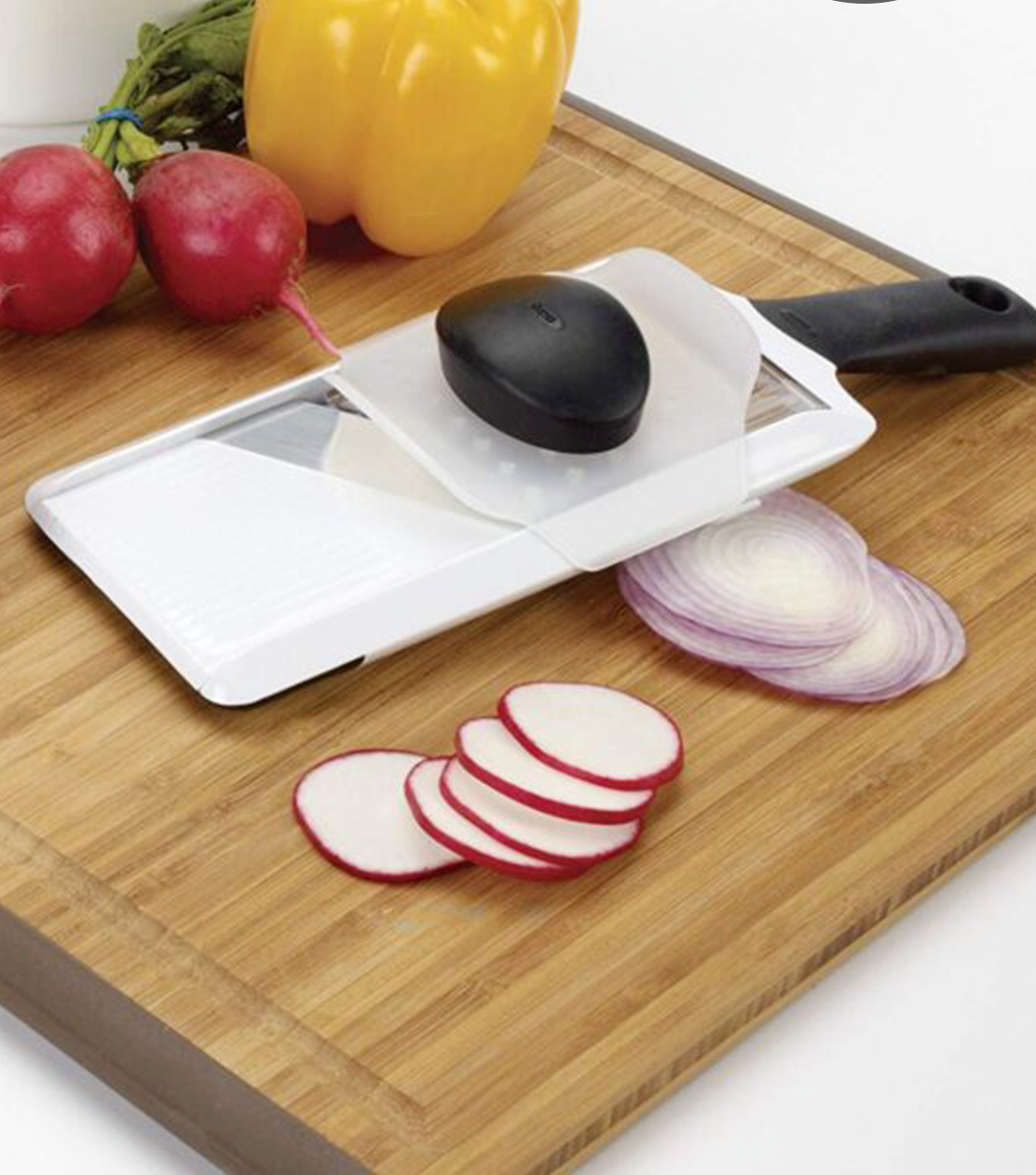
Exploring Different Mandoline Slicer Types
When you decide to buy a mandoline slicer, you’ll encounter a few main types, each with its unique advantages:
- Handheld Mandolines: These are typically smaller, lighter, and designed to be held over a bowl or cutting board. They are excellent for quick, small tasks and are easier to store. Brands like OXO offer popular handheld options.
- Kickstand Mandolines: These models feature built-in legs that prop the slicer up on your countertop, providing greater stability. Many kickstand models also allow you to adjust the slicing angle. While bulkier, they offer a more stable platform for extensive slicing.
- V-blade Mandolines: Characterized by a V-shaped blade, these are particularly effective for slicing softer foods like tomatoes and ripe fruits, as the V-shape reduces drag. They also work efficiently on harder vegetables.
- Japanese Mandolines: Known for their incredibly sharp, angled blades and simple, effective designs, Japanese mandolines (like those from Benriner) are often favored by professional chefs for their precision and ease of adjustment. They typically have fewer interchangeable blades but excel at consistent straight cuts.
- French Mandolines: Traditionally made of stainless steel with multiple metal parts, French mandolines are sturdy and versatile, often offering a wide range of cutting options and thicknesses. They can have a steeper learning curve due to their professional design.
Essential Components to Look For
Regardless of the type, certain features are crucial when you buy a mandoline slicer:
- Adjustable Thickness: The ability to easily change slice thickness is paramount. Look for models with clear markings or intuitive dials for precise control, ranging from paper-thin to several millimeters.
- Blade Types: Most mandolines come with at least a straight blade. Many versatile models include interchangeable blades for julienne (matchsticks), crinkle, wavy, and even French fry cuts. Ceramic blades, offered by brands like Kyocera, are known for maintaining sharpness longer and resisting rust, while stainless steel blades offer durability and sharpness.
- Hand Guard (Food Holder): This is a non-negotiable safety feature. A good hand guard securely holds your food and keeps your fingers far from the dangerously sharp blade. Some are more effective than others, so look for one that grips food snugly.
- Stable Base: For kickstand models, sturdy, non-slip feet or a locking base are essential to prevent the slicer from moving during use. Handheld models benefit from non-slip handles and grooves that fit securely over a bowl.
What to Consider Before You Buy a Mandoline Slicer
Choosing the right mandoline involves balancing your specific needs with safety and functionality.
Safety First: Prioritizing Protection
Mandoline slicers, while efficient, can be dangerous if not used correctly. “Always prioritize safety features when selecting a mandoline slicer,” advises Chef Isabella Rossi, a culinary tool expert. “A robust hand guard is your first line of defense, but don’t hesitate to invest in cut-resistant gloves for an extra layer of protection, especially as you become more comfortable with the tool.” Ensure the model you choose has an effective hand guard that holds food securely. Some advanced models, like the Dash Safe Slice Mandoline, even boast integrated blade designs that keep your hands completely away from the cutting surface.
Blade Material and Sharpness: Stainless Steel vs. Ceramic
The blade is the heart of any mandoline. Stainless steel blades are common, durable, and can be very sharp. However, ceramic blades, found in models like the Kyocera Soft Grip, are celebrated for their exceptional sharpness retention and resistance to rust, making them a long-lasting choice. Consider how often you’ll use it and your willingness to maintain blade sharpness.
Adjustability and Versatility: From Paper-Thin to Julienne
Think about the types of cuts you’ll make most often. Do you need a mandoline primarily for thin slices for gratins, or do you also want options for julienne, waffle, or crinkle cuts? Models like the Mueller Austria Mandoline or the OXO Good Grips Chef’s Mandoline Slicer 2.0 offer multiple interchangeable blades or integrated settings for a wide range of cuts and thicknesses, providing great versatility for various culinary applications.
Ease of Cleaning and Storage
Mandolines, with their sharp edges and intricate parts, require careful cleaning. Look for models that are easy to disassemble and clean safely. Dishwasher-safe components are a plus, but hand-washing blades is often recommended to preserve their sharpness. For storage, compact designs or those with fold-down legs are ideal, especially for smaller kitchens. Many models also come with blade covers or storage compartments to keep extra blades organized and safe.
Budget and Brand Reputation
Mandoline slicers vary widely in price. While budget-friendly handheld options exist, investing a bit more in a sturdy, well-designed model often pays off in terms of durability, safety, and performance. Reputable brands frequently mentioned in reviews include Benriner, OXO, Mueller, Dash, and Bron Coucke. Researching reviews and comparing features will help you find the best value for your investment.
How to Use Your Mandoline Slicer Safely and Effectively
Using a mandoline can seem intimidating at first, but with the right technique and safety precautions, it quickly becomes an invaluable kitchen aid.
Preparing for Slicing: The Setup
Always use your mandoline on a stable, dry surface. If it has a kickstand, ensure it’s fully extended and locked. For handheld models, secure it firmly over a bowl or against a cutting board using its non-slip features. Prepare your ingredients by washing and peeling if necessary. Ensure your chosen blade and thickness setting are correctly installed before you begin.
Master Basic Slicing Techniques
- Secure Your Food: Place the food firmly onto the hand guard’s spikes.
- Position Your Hand: Hold the hand guard with a firm, even grip, keeping your fingers well away from the blade. If using a protective glove, ensure it’s on the hand guiding the food.
- Slice with Precision: Guide the food down the mandoline’s deck and across the blade in a smooth, continuous motion, applying steady, gentle pressure. A sharper blade requires less force, which increases safety.
- Repeat: Continue slicing until you reach the end of the vegetable, ensuring the hand guard protects your fingers at all times.
Advanced Cuts and Creative Applications
A mandoline isn’t just for straight slices. With different blades and techniques, you can unlock a world of culinary creativity:
- Julienne: For thin matchstick cuts perfect for stir-fries, spring rolls, or garnishes.
- Waffle/Crinkle Cuts: Ideal for homemade potato chips, decorative vegetable platters, or even pickles.
- French Fry Cuts: Thicker matchsticks for crispy homemade fries or hearty vegetable sticks.
- Fine Shredding: Some multi-function mandolines include shredder blades for coleslaw or cheese.
Experiment with different vegetables and fruits to discover new textures and presentations for your dishes, from elegant cucumber ribbons in salads to thinly sliced radishes for a gourmet touch.
The Benefits of Owning a High-Quality Mandoline Slicer
Investing in a mandoline slicer brings numerous advantages to your kitchen routine.
Time-Saving Efficiency
One of the most immediate benefits is the significant time saved on food preparation. A mandoline can slice an entire cucumber or potato in seconds, a task that would take considerably longer and more effort with a knife. This efficiency is a huge plus for meal prepping or when cooking for a crowd.
Precision and Uniformity
Mandolines deliver perfectly uniform slices every single time. This consistency isn’t just about aesthetics; it ensures even cooking. Whether you’re baking scalloped potatoes or frying homemade chips, every piece will cook at the same rate, resulting in consistently delicious results.
Elevating Culinary Presentation
The precise and delicate cuts a mandoline produces elevate the visual appeal of your dishes. Think of beautifully layered gratin, intricately presented salads, or delicate vegetable garnishes. A mandoline helps you create restaurant-quality presentation right in your own kitchen, impressing guests and making everyday meals feel special.
Maintenance and Care for Your Mandoline Slicer
Proper maintenance is crucial for extending the life of your mandoline slicer and ensuring continued safe operation.
Cleaning Best Practices
After each use, clean your mandoline carefully. The safest method is to use a sprayer or a strong stream of running water to dislodge food particles from the blade, then gently wipe with a soapy sponge, always moving away from the sharp edge. If the blade is adjustable, set it to the widest position for cleaning and then close it for storage. Avoid immersing the entire unit, especially if it has multiple components that can trap water. Hand-washing is generally recommended for blades, even if parts are dishwasher-safe, to maintain their sharpness.
Blade Care and Storage Tips
- Sharpening: A sharp blade is a safe blade. If your mandoline’s blade can be sharpened (check the manufacturer’s instructions), regularly hone it with a sharpening steel or appropriate tool to maintain its edge. Some ceramic blades may not require sharpening as frequently.
- Safe Storage: Always store your mandoline and its blades safely. Many models come with blade covers or dedicated storage compartments. For kickstand models, fold the legs down to make them more compact. Ensure blades are stored in a way that prevents accidental cuts and protects their edges from dulling.
- Longevity: By following cleaning and storage guidelines, you’ll extend the lifespan of your mandoline slicer, ensuring it remains a reliable tool in your kitchen for years to come.
Expert Tips for Buying the Right Mandoline Slicer
“When looking to buy a mandoline slicer, don’t just focus on the bells and whistles,” says renowned chef and kitchen innovation consultant, Chef Alistair Finch. “The true value lies in its fundamental performance: how smoothly it glides, the consistency of its cuts, and critically, how safe it feels in your hands. A simple, well-engineered mandoline with excellent safety features will always outperform a complex one that makes you hesitant to use it.”
Frequently Asked Questions
Q: What is the safest mandoline slicer to buy?
A: The safest mandoline slicers typically feature integrated blades that keep your hands completely away from the cutting mechanism, or come with highly effective, secure hand guards and offer additional safety accessories like cut-resistant gloves. The Dash Safe Slice Mandoline is often cited for its safety-focused design.
Q: How do I choose the best mandoline for my needs?
A: Consider your primary uses (e.g., thin slices, julienne), your comfort level with sharp tools, available storage space, and budget. Handheld models are great for occasional use and small spaces, while kickstand models offer more stability for frequent, larger tasks. Pay attention to blade type, adjustability, and safety features.
Q: Are mandoline slicers worth the investment?
A: Absolutely! For anyone who frequently prepares vegetables and fruits and desires perfectly uniform slices, a mandoline slicer is a worthwhile investment. It saves significant time and effort, enhances the presentation of your dishes, and ensures even cooking, making it an invaluable tool for both novice and experienced cooks.
Q: Can I sharpen a mandoline slicer blade?
A: It depends on the model and blade material. Some stainless steel mandoline blades can be carefully sharpened with a honing steel. Ceramic blades typically retain their sharpness longer and may not require frequent sharpening. Always consult your mandoline’s user manual for specific care and sharpening instructions.
Q: What are the different types of cuts a mandoline can make?
A: Most mandolines can produce straight slices of varying thicknesses. Many versatile models also include interchangeable blades or settings for julienne (matchstick), crinkle, wavy, and even French fry cuts. Some advanced units offer fine shredding and grating options, expanding your culinary possibilities.
Conclusion
Choosing to buy a mandoline slicer is a step towards culinary precision and efficiency that many home cooks cherish. From achieving perfectly even cuts that cook uniformly to dramatically reducing food prep time, the benefits are clear. By considering the different types, key features, safety aspects, and maintenance requirements outlined in this guide, you’re now equipped to make an informed decision. So go ahead, explore the options, and find the perfect mandoline slicer that will transform your kitchen experience and empower you to create stunning, delicious dishes with ease. Your journey to effortless, professional-quality slicing begins now!