Stepping into the world of professional-level food preparation can be thrilling, and few kitchen tools promise such speed and uniformity as the mandoline slicer. Yet, a whisper of caution often accompanies its mention – tales of slips, nicks, and serious cuts. It’s true, a mandoline’s razor-sharp blade demands respect, but don’t let fear keep you from experiencing its incredible benefits. With the right knowledge and the Best Safe Mandoline Slicer, you can transform your culinary creations with stunningly even cuts, all while keeping your fingers intact. This guide will walk you through everything you need to know to slice like a pro, safely and efficiently, making your kitchen adventures smoother and much more enjoyable.
What Makes a Mandoline Slicer Truly Safe?
When you’re searching for the ultimate kitchen companion to achieve those perfect juliennes or paper-thin potato chips, safety absolutely has to be your number one priority. A truly safe mandoline isn’t just about having a sharp blade; it’s about thoughtful design that protects you at every step. Think of it as a dance between efficiency and caution, where the tool itself helps guide your hands away from harm.
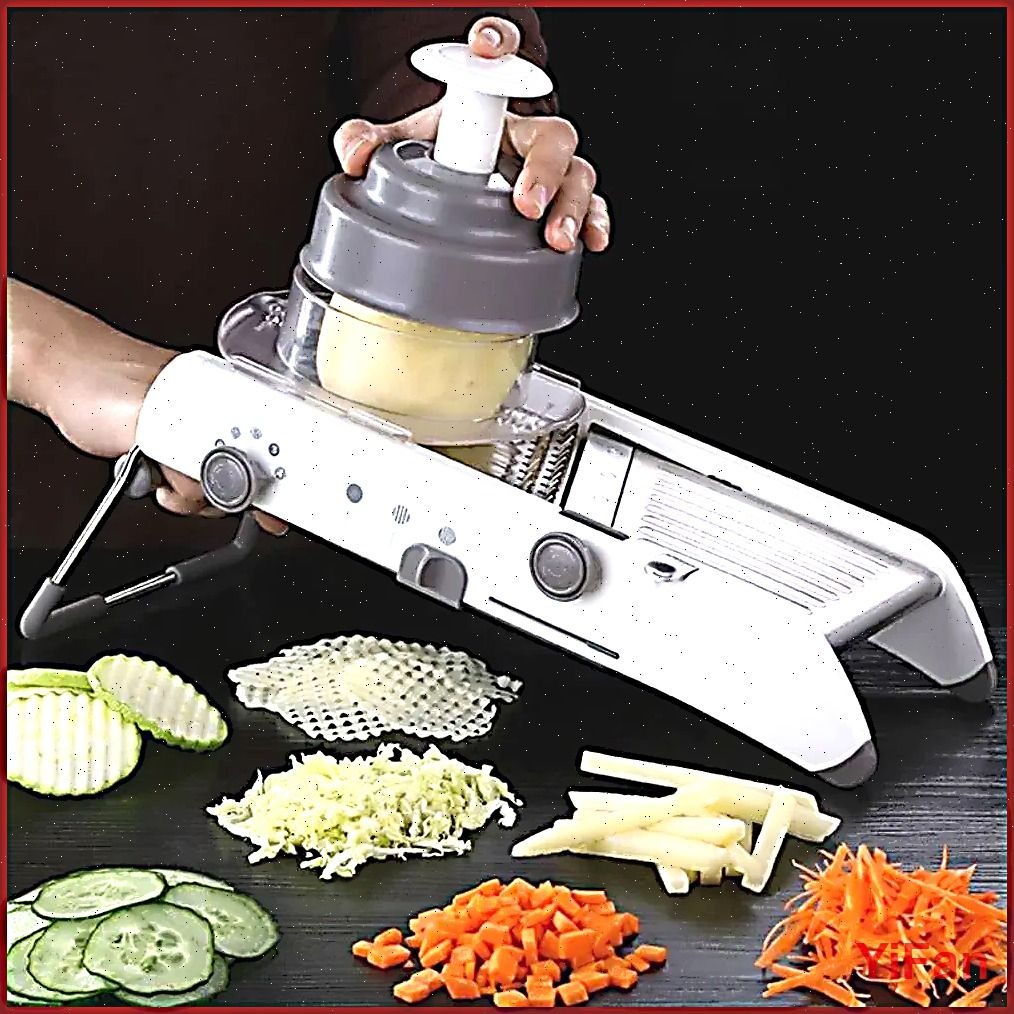
Essential Safety Features to Look For
The difference between a frustrating kitchen accident and a flawlessly executed meal often comes down to these crucial design elements. When considering the best safe mandoline slicer, these are your non-negotiables.
Integrated Handguards and Food Holders
This is arguably the most critical safety feature. A good handguard or food holder isn’t just an afterthought; it’s a robust device designed to securely hold your food item, pushing it down the blade while keeping your fingers a safe distance away. Look for models with a comfortable grip, sturdy prongs that hold food firmly, and a design that allows you to slice almost to the very end of your ingredient without exposing your skin. Some advanced designs even feature a spring-loaded plunger or an internal mechanism that fully encases the food, minimizing any direct contact with the blade.
Non-Slip Bases and Sturdy Construction
Imagine pushing a carrot across a super-sharp blade, and the mandoline itself slides across your countertop. Recipe for disaster, right? The best safe mandoline slicer will always feature a stable, non-slip base, often with rubberized feet, that firmly anchors it to your work surface. Beyond the feet, the overall construction should feel solid and substantial, not flimsy. A heavy-duty frame, whether stainless steel or high-quality BPA-free plastic, prevents wobbling and ensures predictable movement, giving you greater control over each slice.
Adjustable Blade Settings and Blade Covers
While a fixed blade mandoline might seem simpler, models with adjustable thickness settings often come with an added safety bonus: the ability to retract or fully cover the blade when not in use. This means you’re not constantly exposed to a razor edge during storage or even when switching between different cut settings. Look for intuitive dials or levers that allow you to change thickness without touching the blade directly. Furthermore, secure blade covers for storage are a must, protecting both you from the blade and the blade from dulling.
Cut-Resistant Gloves: Your Best Friend in the Kitchen
Even with the most advanced safety features, an extra layer of protection is always a smart move. Investing in a pair of high-quality cut-resistant gloves, typically made from materials like HPPE or Dyneema, can be a game-changer. These aren’t your typical kitchen gloves; they’re designed to withstand sharp edges, offering significant protection against accidental slips. “Always wear cut-resistant gloves when operating a mandoline slicer, even if you’re using the handguard,” advises Chef Antoine Dubois, a renowned culinary instructor and kitchen safety advocate. “It’s an inexpensive insurance policy for your fingers and greatly boosts your confidence.”
Types of Mandoline Slicers and Their Safety Aspects
Not all mandoline slicers are created equal, and understanding the different types can help you choose the one that best fits your needs and comfort level with safety. Each design has its own quirks and considerations.
V-Blade Mandolines
Known for their effortless slicing, V-blade mandolines feature two angled blades that meet at a ‘V’ shape. This design allows the food to encounter the blade at an angle, making it easier to slice softer foods like tomatoes without crushing them. From a safety perspective, the V-blade often creates a natural channel for the food, which can feel more stable. However, the dual-blade setup means there’s more exposed sharp edge, so a robust handguard and careful handling are paramount.
Flat/Straight Blade Mandolines
These are the most traditional type, featuring a single straight blade. They excel at firm vegetables like potatoes and carrots, offering very clean cuts. While simpler in design, some users find straight blades require more force, potentially increasing the risk of slips if the mandoline isn’t stable or the handguard isn’t used properly. Look for models where the blade can be fully recessed when not in use.
Japanese-Style Mandolines
Often characterized by their simplicity and ceramic blades (though stainless steel versions exist), Japanese mandolines typically have a straight, single blade and a more compact design. They are renowned for ultra-thin slicing. Safety with these models heavily relies on an effective handguard and absolute diligence, as their open design means the blade is often more exposed during use. The ceramic blades are incredibly sharp but can be brittle.
Box Mandolines
Sometimes called ‘container mandolines’, these models integrate a collection container directly beneath the blade. This design provides exceptional stability, as the unit is self-contained. The blades are often interchangeable and can be stored within the unit, reducing exposure. While not always offering the sheer versatility of larger professional models, they are often considered among the safest options for home cooks due to their integrated design and stability.
Mastering Safe Mandoline Slicer Techniques
Even with the best safe mandoline slicer money can buy, technique is everything. Proper usage not only prevents accidents but also ensures you get the consistent, beautiful results you desire every time. It’s about building good habits and respecting the power of the blade.
Preparing for a Safe Slicing Session
Before you even touch a vegetable, a little preparation goes a long way in ensuring safety. Think of it as setting the stage for success.
- Read the Manual: Yes, really! Every mandoline is a little different. Understand how to adjust thickness, switch blades, and, most importantly, how to properly attach and use its specific handguard.
- Stable Surface: Always place your mandoline on a clean, dry, and stable surface. Use a non-slip mat underneath if your mandoline doesn’t have rubberized feet or if you’re working on a particularly slick countertop.
- Gather Your Tools: Have your handguard ready, and if you have them, put on your cut-resistant gloves. Also, make sure you have a receiving bowl or plate directly under the mandoline to catch your perfectly sliced ingredients.
- Prepare Your Produce: Wash and peel your fruits or vegetables. Trim them into shapes that can be easily gripped by the handguard. For example, cut larger onions into halves or quarters.
The Right Way to Slice: Technique is Key
Once everything is set up, it’s time to slice. Remember, slow and steady wins the race, especially when it comes to safety.
- Secure the Food: Impale your food item firmly onto the prongs of the handguard. Ensure it’s stable and won’t wobble.
- Apply Gentle, Even Pressure: Place the food (with the handguard) onto the mandoline’s runway. Apply light, consistent downward pressure, pushing the food forward over the blade. Don’t press too hard; the sharpness of the blade should do most of the work.
- Maintain a Consistent Rhythm: Move your handguard back and forth over the blade in a smooth, continuous motion. Avoid jerky movements or sudden stops.
- Keep Fingers Away: Never, ever slice without the handguard. As the food gets smaller, the handguard becomes even more critical. Stop slicing when the food is too small for the handguard to safely secure it.
Post-Slicing Safety: Cleaning and Storage
The dangers don’t end when the slicing does. Cleaning and storing your mandoline correctly are just as vital for long-term safety.
- Immediate Cleaning: Wash your mandoline immediately after use. Dried food can be harder to remove, requiring more aggressive scrubbing and increasing the risk of cuts.
- Handle with Care: Always wash blades with extreme caution. Use a brush or sponge, never your bare hands directly on the blade. Many mandolines are dishwasher safe, but always check the manufacturer’s instructions.
- Secure Storage: Once clean and dry, ensure the blade is either retracted, covered with a blade protector, or stored in a secure, designated spot where accidental contact is impossible. Store the handguard with the mandoline so it’s always available.
Beyond Safety: The Benefits of a Great Mandoline Slicer
While safety is paramount, let’s not forget why we even bother with a mandoline in the first place! The benefits extend far beyond just avoiding cuts, enhancing both your cooking process and the final dish.
- Unmatched Uniformity: This is where a mandoline truly shines. Imagine every potato chip, every cucumber slice, every julienned carrot being perfectly identical. This uniformity doesn’t just look stunning; it ensures even cooking, leading to better textures and flavors in your dishes.
- Time-Saving Efficiency: Once you get the hang of it, a mandoline can slice through a pile of vegetables in a fraction of the time it would take with a knife. This is a game-changer for meal prep, entertaining, or when you need large quantities of precisely cut ingredients.
- Elevated Presentation: Professional chefs rely on mandolines for their ability to create visually appealing dishes. Thin, consistent slices make for beautiful garnishes, elegant salads, and impressive gratins.
- Versatility: From paper-thin potato gratin to chunky fries, delicate cucumber ribbons for salads, or intricate waffle cuts for gourmet chips, a good mandoline offers a range of cutting styles that would be incredibly difficult and time-consuming to achieve by hand.
Our Top Picks for the Best Safe Mandoline Slicers
While specific brand names come and go, the principles behind the best safe mandoline slicer remain consistent. Look for mandolines that incorporate the following features, regardless of the label:
- Integrated, Robust Handguard: Priority number one. It should feel sturdy and securely hold various food shapes.
- Non-Slip Stability: Rubberized feet and a heavy-duty build that won’t budge on your counter.
- Safe Blade Adjustment: Easy-to-use dials or levers that keep your fingers away from the blade when changing thickness or cut styles.
- Blade Protection for Storage: A way to fully cover or retract the blade when not in use.
- Durable Materials: High-quality stainless steel blades, sturdy BPA-free plastics, or sharp, durable ceramic.
Considering these features will help you identify a safe, reliable, and high-performing mandoline slicer that will serve you well for years to come.
Frequently Asked Questions About Mandoline Slicer Safety
Navigating the world of mandolines often brings up a few common questions, especially concerning safety. Let’s tackle them head-on.
How do I prevent cuts when using a mandoline slicer?
Preventing cuts with a mandoline slicer hinges on three main points: always using a secure handguard, ensuring the mandoline is stable on your counter, and wearing cut-resistant gloves for an extra layer of protection. Additionally, use slow, consistent movements and never push too hard.
Are V-blade mandolines safer than straight-blade ones?
The safety of V-blade versus straight-blade mandolines often comes down to user preference and technique. V-blades can feel more forgiving because they slice through food at an angle, requiring less downward force. However, they expose two blade edges, so diligent use of a handguard and cut-resistant gloves is essential for both types.
Can I really get uniform slices every time?
Yes, absolutely! The primary benefit of a mandoline slicer is its ability to produce incredibly uniform slices consistently. This is achieved by the fixed blade and the guide plate, which ensures every pass results in an identical cut, something nearly impossible to replicate perfectly by hand.
What’s the best way to clean my mandoline slicer safely?
The safest way to clean your mandoline slicer is immediately after use, using a stiff brush or a damp cloth to clear food debris from the blade and surfaces. Avoid direct hand contact with the blade. Many parts are dishwasher safe, but always refer to your specific model’s instructions.
Should I use cut-resistant gloves with every mandoline?
Yes, it is highly recommended to use cut-resistant gloves with every mandoline, regardless of its safety features or your experience level. They provide an invaluable physical barrier against accidental slips, significantly reducing the risk of injury and giving you greater peace of mind in the kitchen.
Conclusion
Embracing the best safe mandoline slicer can genuinely revolutionize your cooking. It’s a tool that promises not just efficiency, but a level of precision and aesthetic appeal that elevates everyday meals into culinary masterpieces. While its reputation for sharpness is well-deserved, by prioritizing models with robust safety features like sturdy handguards, non-slip bases, and thoughtful blade protection, you can mitigate almost all risks. Couple that with smart techniques and the wise choice to wear cut-resistant gloves, and you’ll discover a world of perfectly sliced vegetables and fruits without a single worry. So go ahead, unlock your inner chef, experiment with new textures, and savor the joy of beautifully prepared food – all with the confidence of knowing you’re slicing safely.