In the bustling environment of a professional kitchen, every second counts, and consistency is king. This is where the commercial mandoline slicer truly shines, transforming tedious hand-slicing tasks into quick, uniform, and aesthetically pleasing operations. For any restaurant, catering business, or culinary establishment aiming for peak efficiency and impeccable food presentation, understanding and utilizing a heavy-duty mandoline slicer is not just an advantage—it’s a necessity.
|
Our Picks for the Best Mandoline Slicer in 2026
As an Amazon Associate I earn from qualifying purchases.
|
||
| Num | Product | Action |
|---|---|---|
| 1 | 2 Pack 5 in 1 Mandoline Slicer for Kitchen, Vegetable Slicer Multi Blade Potato Chip, Veggie shredder, Vegetable Cutter, Julienne Shredder and peeler For Small Job In Kitchen |

|
| 2 | Fullstar Mandoline Slicer for Kitchen, Fruit Cutter, Cheese Grater, Cucumber Slicer, Veggie Spiralizer, Food Cutter & Kitchen Gadgets & Gifts with Safety Glove (6 in 1, White) |
|
| 3 | OXO Good Grips Handheld Mandoline Slicer for Kitchen, Adjustable Vegetable Slicer |
|
| 4 | Mandoline Food Slicer, Adjustable Mandoline Slicer for Kitchen, Stainless Steel Mandolin Vegetable Chopper for Potato/Tomato/Onion, Vegetable Slicer Julienne Cutter with Cut-Resistant Gloves |
|
| 5 | Ourokhome Safe Mandoline Vegetable Slicer with Guard, 6-Blade Adjustable Kitchen Slicer with Container for Cucumber, Potato Chips & Salad Prep(Gray) |
|
| 6 | Mueller Pro-Series All-in-One, 12 Blade Mandoline Slicer for Kitchen, Food Chopper, Vegetable Slicer and Spiralizer, Cutter, Dicer, Grater, Kitchen Gadgets Sets with Container, White Sand/Gray |
|
| 7 | VEKAYA Mandoline Slicer, Mandoline Slicer for Kitchen, Adjustable Mandolin, Stainless Steel Mandoline, Vegetable Slicer, Potato, Onion, Cucumber, Tomato, Veggie Slicer with Cut-Resistant Gloves |
|
| 8 | Mandoline Slicer,Mandoline Food Slicer for Kitchen,Mandolin,Vegetable Chopper,Vegtable Slicer,Adjustable Stainless Steel Veggie Onion Tomato Julienne Cutter with Cut-1 Pair Cut-Resistant Gloves |
|
| 9 | Cambom Mandoline Slicer Vegetable Slicer With 2 L Container for Potatoes, Tomatoes, Cucumbers, Carrots With 10 Blades White |
|
| 10 | Gramercy Adjustable Mandoline Food Slicer, Mandoline Slicer for Kitchen, Mandolin, Potato, Tomato, Carrot, Vegetable, Fruit and Onion Cutter - Stainless Steel - INCLUDING 1 Pair Cut-Resistant Gloves |
|
What is a Commercial Mandoline Slicer?
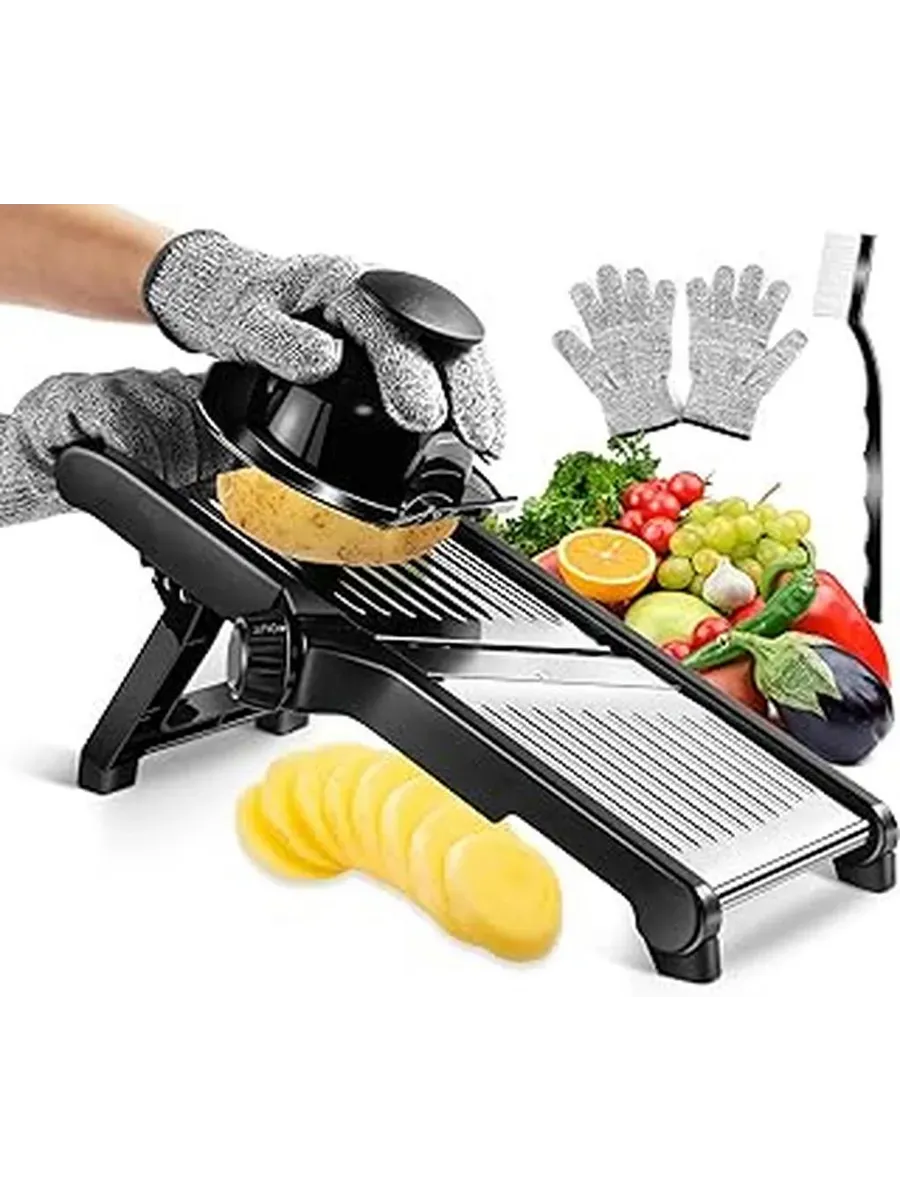
At its core, a mandoline slicer is a kitchen tool designed to cut fruits, vegetables, and other foods into precise, even slices. Unlike its home-use counterpart, a commercial mandoline slicer is built for the rigors of high-volume use. These professional-grade models feature robust construction, often from high-grade stainless steel, and are engineered for durability and consistent performance over extended periods. They are instrumental in achieving razor-sharp, uniform cuts in seconds, drastically reducing prep time and ensuring every dish meets exacting standards [cite: 3 (ckitchen)].
Key Features and Components of Professional Mandolines
When you’re looking to invest in a commercial mandoline slicer, specific features stand out that ensure it can handle the demanding pace of a professional kitchen:
- Robust Construction and Materials: Commercial models are typically crafted from durable stainless steel, which offers superior longevity, stability, and hygiene compared to lighter plastic versions. This robust build prevents warping and wear, even with continuous use [cite: 3 (ckitchen)].
- Superior Blades: The heart of any mandoline is its blade. Professional slicers feature ultra-sharp, often interchangeable, blades that can be straight, serrated, julienne, or even designed for crinkle and waffle cuts. These blades are usually made from high-carbon stainless steel or ceramic, ensuring they remain sharp longer and can be easily maintained or replaced [cite: 3 (ckitchen)].
- Precision Thickness Adjustment: One of the greatest assets of a quality mandoline is its ability to produce slices of uniform thickness. Commercial models offer highly precise, often incremental, thickness adjustments—controlled by a lever, knob, or thumb screw—allowing chefs to achieve anything from paper-thin carpaccio to thicker gratin slices [cite: 3 (ckitchen)]. Some advanced models can offer over 20 different thickness settings.
- Integrated Safety Mechanisms: Given the razor-sharp blades, safety is paramount. Essential features include sturdy handguards or food pushers that securely hold ingredients while keeping fingers safely away from the blade. Non-slip rubber feet or bases are also crucial to prevent the unit from sliding during use, enhancing stability and reducing accident risks [cite: 1 (chefsupplyco), 3 (ckitchen)].
- Large Capacity and Stability: Commercial kitchen mandolines often boast wider cutting platforms to accommodate larger produce, like whole cabbages or big potatoes. Their heavy-duty stands ensure unwavering stability on countertops, even during vigorous use.
Why Your Commercial Kitchen Needs a Commercial Mandoline Slicer
Investing in a commercial mandoline slicer is a game-changer for any professional culinary operation. The benefits extend far beyond just slicing.
Unmatched Efficiency and Time Savings
“In a high-pressure kitchen environment, every minute saved is a victory,” says Chef Antoine Dubois, a seasoned culinary director with over two decades of experience in Michelin-starred kitchens. “A good commercial mandoline allows my team to prep vegetables in a fraction of the time it would take by hand, freeing them up for more complex tasks.” Mandolines significantly accelerate the preparation of large quantities of ingredients, crucial for busy service periods [cite: 3 (ckitchen)].
Perfect Uniformity for Consistent Results
The hallmark of professional cooking is consistency. Whether it’s potato gratin, delicate cucumber salads, or perfectly julienned carrots, a mandoline ensures every slice is identical in thickness and shape. This uniformity not only elevates the visual appeal of dishes but also guarantees even cooking, preventing some pieces from being undercooked while others are overdone.
Incredible Versatility for Diverse Culinary Creations
A commercial mandoline slicer is far more than a one-trick pony. With various interchangeable blades and adjustable settings, it can produce an array of cuts, making it a versatile workhorse in any kitchen. From fine julienne to wavy cuts, it eliminates the need for multiple specialized gadgets, saving valuable storage space.
Reduced Food Waste
Precise slicing minimizes ingredient loss. When ingredients are sliced consistently and accurately, there’s less waste from uneven or discarded pieces. This efficiency directly translates to cost savings for your business, optimizing your ingredient budget.
Choosing the Right Commercial Mandoline Slicer
Selecting the ideal commercial mandoline slicer involves considering your kitchen’s specific needs, volume, and budget. Prioritize models known for their robust construction, exceptional blade quality, and comprehensive safety features. Look for reputable brands often found in professional settings, such as Bron Coucke, Jaccard, Matfer Bourgeat, and the highly regarded Japanese Benriner models. Assess the ease of thickness adjustment and how straightforward the cleaning process is, as these factors greatly impact daily operational flow.
Safe and Effective Use in a Professional Setting
Given the extreme sharpness of mandoline blades, safety is non-negotiable. Proper technique and strict adherence to safety protocols are essential to prevent injuries in a busy commercial kitchen.
Thorough Preparation is Key
Before you even touch an ingredient to the blade, ensure your mandoline is placed on a stable, non-slip surface [cite: 1 (chefsupplyco)]. Take a moment to familiarize yourself with your specific model, understanding how to adjust settings and how its safety features operate. Always position the food securely, ready for a controlled pass over the blade.
Essential Safety Tools: Handguards and Gloves
The most critical safety rule is to always use the handguard or food pusher provided with your mandoline [cite: 1 (chefsupplyco)]. This accessory is explicitly designed to keep your fingers away from the sharp blades. For an added layer of protection, particularly when handling smaller items or nearing the end of a vegetable, consider using a cut-resistant glove on your guiding hand. As Chef Dubois advises, “Never take chances. A minute saved isn’t worth a trip to the emergency room. Always use your handguard, and a cut-resistant glove is a smart backup.” [cite: 1 (chefsupplyco)]
Master the Technique for Smooth Slicing
Slicing with a mandoline should be a controlled, steady motion, not a race. Apply gentle, even pressure to guide the food across the blade [cite: 1 (chefsupplyco)]. Avoid forcing ingredients, as this can cause slips and accidents. Remember, a sharp blade is safer than a dull one because it requires less force, reducing the risk of your hand slipping. If you feel resistance, it might be time for blade maintenance or replacement.
Mandatory Staff Training
In a commercial setting, every team member who uses the mandoline must receive detailed, hands-on training. This includes understanding safe handling techniques, emergency procedures, and the importance of using all safety equipment. Regular refreshers help maintain awareness and competence, ensuring that safety protocols become second nature for everyone in the kitchen.
Creative Cuts and Culinary Applications
A commercial mandoline slicer opens up a world of culinary possibilities, allowing for a variety of precise cuts that elevate any dish.
- Paper-Thin Slices: Ideal for delicate vegetable carpaccios, translucent potato chips, cucumber ribbons for garnishes, or perfectly uniform onion rings.
- Julienne Cuts: Create fine matchsticks of carrots, zucchini, or bell peppers for stir-fries, spring rolls, or vibrant salad toppings.
- Waffle and Crinkle Cuts: Transform potatoes, sweet potatoes, or apples into impressive waffle fries or decorative crinkle-cut garnishes that add texture and visual appeal to plates.
- Small Dicing (with attachments): Some advanced commercial mandolines, especially those with cubing attachments, can produce uniform small dice for salsas, brunoise, or finely minced aromatics, further speeding up prep.
These precise cuts not only enhance presentation but also ensure even cooking, a crucial aspect of high-quality cuisine.
Maintenance and Cleaning for Longevity and Hygiene
Proper maintenance and rigorous cleaning are vital for preserving the performance, longevity, and hygiene of your commercial mandoline slicer. In a professional kitchen, this means adhering to strict food safety standards.
Immediate and Regular Cleaning
“Cleanliness is not just about presentation; it’s about preventing cross-contamination and extending the life of your equipment,” states Chef Dubois. Always disassemble your mandoline slicer immediately after each use [cite: 2 (sirman)]. Rinse all parts thoroughly with warm water to remove food debris before it dries and hardens [cite: 2 (sirman)]. For continuous use in commercial settings, a thorough cleaning of the blade and carriage table should occur every two to four hours [cite: 1 (fesmag_cleaning_and_maintaining)].
Step-by-Step Detailed Cleaning
- Disassemble: Carefully remove all detachable parts, including blades, handguard, and platform [cite: 2 (sirman)]. For electric models, always switch off and unplug the machine first [cite: 2 (sirman)].
- Rinse: Rinse each component under warm running water to clear loose food particles [cite: 2 (sirman)].
- Wash: Using a soft-bristle brush or a non-abrasive sponge, scrub away any remaining food residue with mild dish soap or a gentle, food-safe cleanser [cite: 2 (chefsupplyco)]. Pay close attention to crevices and around blades. For commercial slicers, only non-alkaline cleaning products suitable for food contact should be used [cite: 2 (sirman)].
- Soak (if needed): For stubborn, dried-on residue, soak components in warm, soapy water for a few minutes to loosen them [cite: 2 (chefsupplyco)].
- Rinse Thoroughly: Ensure all soap residue is completely rinsed off with warm water.
- Dry: Crucially, dry each part thoroughly with a clean cloth or allow it to air dry completely to prevent rust and maintain the slicer’s condition [cite: 2 (chefsupplyco), 2 (sirman)].
- Blade Care: Exercise extreme caution when cleaning blades. Wipe against the sharp edge to avoid cuts, and consider wearing cut-resistant gloves.
Sharpening and Lubrication
For professional slicers, regular maintenance extends to blade sharpening and lubrication of moving parts. Blades should be sharpened when the quality of the cut decreases and product waste increases [cite: 2 (sirman)]. Always follow the manufacturer’s instructions for sharpening. For parts like the carriage, lubrication with food-grade oil is often required, typically weekly or bi-weekly for smaller machines and monthly for larger ones, to ensure smooth operation [cite: 2 (sirman)]. Never use standard cooking oils, as they can damage mechanisms.
Frequently Asked Questions About Commercial Mandoline Slicers
Q: What’s the main difference between a home and commercial mandoline slicer?
A: The primary difference lies in durability, capacity, and construction materials. Commercial mandolines are built for heavy, continuous use with robust stainless steel, wider cutting surfaces, and more precise, durable adjustment mechanisms, designed to withstand the demands of a professional kitchen [cite: 3 (ckitchen)].
Q: Can a commercial mandoline slicer be used for all types of produce?
A: Yes, commercial mandolines are highly versatile and can slice most fruits and vegetables, from soft tomatoes to hard potatoes. However, some very soft or irregular items might still be better handled with a knife, and extremely tough items might require more robust equipment.
Q: Are commercial mandoline slicers difficult to clean?
A: While they require careful handling due to sharp blades, many commercial models are designed for easy disassembly, making thorough cleaning manageable. Most components can be washed with warm, soapy water, and some are even dishwasher-safe (always check the manufacturer’s guidelines) [cite: 2 (chefsupplyco)].
Q: How often should I sharpen the blades of my commercial mandoline slicer?
A: The frequency depends on usage intensity and the type of ingredients being sliced. In a busy commercial kitchen, blades might need sharpening more often than in a home setting. A good indicator is when the slicer starts to resist, tear, or crush food instead of slicing cleanly [cite: 2 (sirman)].
Q: What safety precautions are absolutely essential when using a commercial mandoline slicer?
A: Always use the handguard or food pusher, wear cut-resistant gloves, ensure the slicer is on a stable, non-slip surface, and maintain a slow, controlled slicing motion. Proper staff training is crucial in a commercial environment [cite: 1 (chefsupplyco)].
Elevate Your Culinary Craft with a Commercial Mandoline Slicer
A commercial mandoline slicer is more than just a kitchen gadget; it’s a strategic investment for any professional establishment seeking to enhance efficiency, achieve culinary precision, and maintain the highest standards of food presentation and hygiene. By understanding its features, mastering safe usage, and committing to diligent maintenance, your kitchen can unlock unparalleled speed and consistency, allowing your team to focus on the artistry of cooking. It’s time to slice smarter, not harder, and elevate every dish to professional perfection.