In the bustling world of home cooking and professional kitchens, efficiency and precision are paramount. While a sharp chef’s knife is indispensable, there’s one kitchen tool that truly revolutionizes how we prepare fruits and vegetables: the mandoline food slicer. This ingenious device, often overlooked, is a game-changer for achieving uniformly thin slices, julienne strips, and decorative cuts with incredible speed and consistency. Forget tedious knife work; a mandoline food slicer empowers you to elevate your culinary creations, making every dish look and taste professionally prepared. It’s not just about speed; it’s about unlocking a level of culinary artistry that was once reserved for seasoned chefs.
What is a Mandoline Food Slicer? History and Evolution
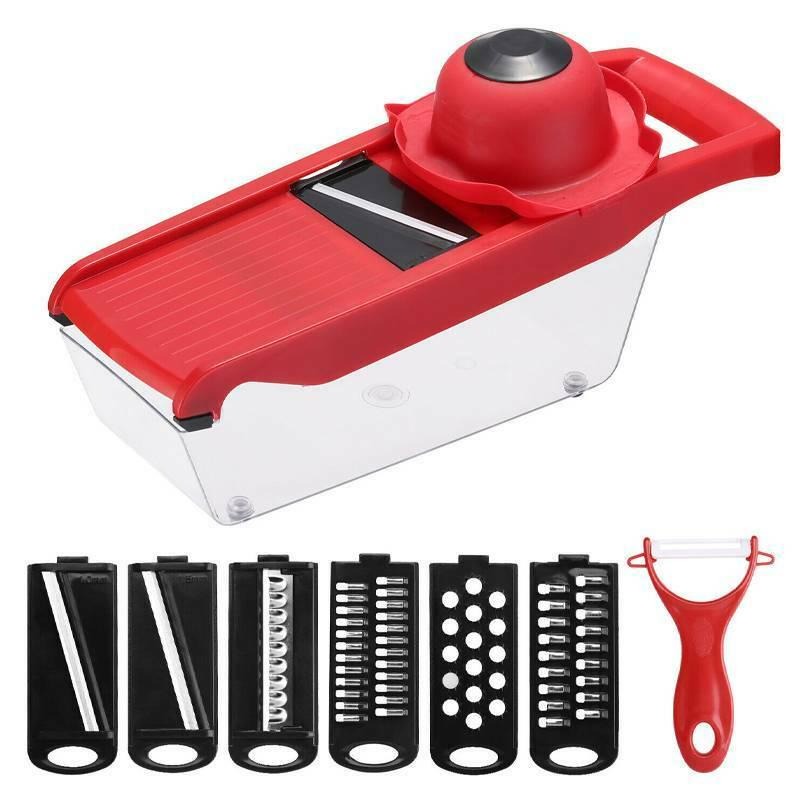
At its core, a mandoline food slicer is a kitchen utensil designed with a flat platform and an incredibly sharp, adjustable blade. The food is moved across this blade to produce uniform slices. While the concept of precise slicing tools has roots in early culinary practices, modern mandoline slicers began gaining popularity in French professional kitchens, evolving from simple wooden planks with fixed blades to the sophisticated, multi-functional gadgets we use today. This evolution has brought about various types, each with unique advantages.
The most common types include:
- V-Blade Mandolines: These are often favored for their ability to cut through softer foods like ripe tomatoes with minimal resistance, as the V-shape simultaneously pierces the item from two sides, reducing drag and making slicing smoother.
- Flat or Straight-Blade Mandolines: Excellent for firmer vegetables such as potatoes or carrots, these traditional blades offer straightforward, consistent cuts.
- Japanese Mandolines: Renowned for their razor-sharp stainless steel or ceramic blades and exceptional precision, Japanese mandolines often feature simple, yet highly effective, adjustable thickness mechanisms, sometimes via a thumb screw for infinite control.
- Handheld Mandolines: Compact and easy to store, these are perfect for smaller tasks and can often be used directly over a bowl, making cleanup a breeze. However, they may require more manual stability.
- Mandolines with Stands/Platforms: Offering greater stability with fold-out legs, these models are ideal for handling larger quantities of food and provide a more secure slicing experience on a countertop.
- Guillotine-Style (Plunger) Mandolines: Designed with safety as a top priority, models like the Dash Safe Slice utilize a plunger mechanism that pushes the food through the blade, keeping your hands entirely away from the cutting edge. While incredibly safe for beginners, they might limit the size and shape of foods you can process.
Each design brings its own set of benefits and considerations, from storage convenience to the range of cuts possible.
|
Our Picks for the Best Mandoline Slicer in 2026
As an Amazon Associate I earn from qualifying purchases.
|
||
| Num | Product | Action |
|---|---|---|
| 1 | Mandoline Slicer,Mandoline Food Slicer for Kitchen,Mandolin,Vegetable Chopper,Vegtable Slicer,Adjustable Stainless Steel Veggie Onion Tomato Julienne Cutter with Cut-1 Pair Cut-Resistant Gloves |

|
| 2 | Fullstar Mandoline Slicer for Kitchen, Fruit Cutter, Cheese Grater, Cucumber Slicer, Veggie Spiralizer, Food Cutter & Kitchen Gadgets & Gifts with Safety Glove (6 in 1, White) |
|
| 3 | OXO Good Grips Handheld Mandoline Slicer for Kitchen, Adjustable Vegetable Slicer |
|
| 4 | VEKAYA Mandoline Slicer, Mandoline Slicer for Kitchen, Adjustable Mandolin, Stainless Steel Mandoline, Vegetable Slicer, Potato, Onion, Cucumber, Tomato, Veggie Slicer with Cut-Resistant Gloves |
|
| 5 | Cambom Mandoline Slicer Vegetable Slicer With 2 L Container for Potatoes, Tomatoes, Cucumbers, Carrots With 10 Blades White |
|
| 6 | 2 Pack 5 in 1 Mandoline Slicer for Kitchen, Vegetable Slicer Multi Blade Potato Chip, Veggie shredder, Vegetable Cutter, Julienne Shredder and peeler For Small Job In Kitchen |
|
| 7 | Mueller Pro-Series All-in-One, 12 Blade Mandoline Slicer for Kitchen, Food Chopper, Vegetable Slicer and Spiralizer, Cutter, Dicer, Grater, Kitchen Gadgets Sets with Container, White Sand/Gray |
|
| 8 | Mandoline Food Slicer, Adjustable Mandoline Slicer for Kitchen, Stainless Steel Mandolin Vegetable Chopper for Potato/Tomato/Onion, Vegetable Slicer Julienne Cutter with Cut-Resistant Gloves |
|
| 9 | Ourokhome Safe Mandoline Vegetable Slicer with Guard, 6-Blade Adjustable Kitchen Slicer with Container for Cucumber, Potato Chips & Salad Prep(Gray) |
|
| 10 | Gramercy Adjustable Mandoline Food Slicer, Mandoline Slicer for Kitchen, Mandolin, Potato, Tomato, Carrot, Vegetable, Fruit and Onion Cutter - Stainless Steel - INCLUDING 1 Pair Cut-Resistant Gloves |
|
Understanding the Anatomy: Key Features of Your Mandoline Food Slicer
To truly master your mandoline food slicer, it’s essential to understand its core components and how they contribute to its functionality and, crucially, your safety.
Adjustable Thickness Settings
Almost all mandoline slicers come with adjustable thickness settings, allowing you to create slices ranging from paper-thin to several millimeters thick. This is typically controlled by a dial, knob, or lever, giving you precise control for different recipes.
Blade Types
Beyond the main slicing blade (straight or V-shaped), many mandolines feature interchangeable or integrated blades for various cuts:
- Julienne Blades: Essential for creating fine, even strips, perfect for stir-fries, salads, or homemade French fries.
- Wavy/Crinkle Blades: These produce decorative crinkle-cut shapes, adding a fun texture to vegetables like potatoes and cucumbers.
- Serrated Blades: Some models include these for specific textures or to handle foods with tough skins more easily.
The Crucial Hand Guard and Food Holder
This is perhaps the most critical component for safe operation. The hand guard, also known as a food pusher, is designed to hold your ingredient securely and protect your fingers from the blade. It typically has prongs or a gripping surface to keep food in place as you slide it across.
Non-Slip Bases and Collection Trays
Many mandoline food slicers feature non-slip feet or rubberized bases to keep the unit stable on your countertop. Some also come with integrated collection trays or are designed to fit over bowls, making it easy to catch your sliced ingredients and minimize mess.
Slicing with Confidence: Safe and Effective Mandoline Food Slicer Techniques
Using a mandoline food slicer can be incredibly efficient, but its razor-sharp blades demand respect and proper technique. Safety is paramount to prevent kitchen accidents.
Preparation for Slicing
- Secure Your Workspace: Always place your mandoline on a stable, flat surface. If your model has foldable legs, ensure they are fully extended and locked. For added security, place a non-slip mat or a damp paper towel underneath the mandoline.
- Prep Your Produce: Before slicing, wash and peel your fruits or vegetables if necessary. If the item doesn’t have a flat surface (like a round potato), carefully use a chef’s knife to create one. This flat base will provide greater stability when engaging with the mandoline’s blade.
- Insert the Correct Blade: Select your desired blade (straight, julienne, etc.) and thickness setting. Ensure it’s securely locked into place before you begin.
Basic Cutting Technique
- Engage the Hand Guard: Place your prepared food item firmly into the mandoline’s hand guard or food pusher. Make sure it’s stable and won’t wobble.
- Position Your Body: Hold the mandoline perpendicular to your body, with the blade facing away from you. This allows for ample control and a natural slicing motion.
- Apply Even Pressure: With the food secured in the guard, apply gentle, even pressure and slide the food item smoothly across the blade in a consistent back-and-forth motion. Let the sharpness of the blade do the work, rather than forcing the food through. Go slow, especially when starting out.
Why is mandoline safety so important?
Mandoline blades are exceptionally sharp, designed to cut through dense vegetables with ease. This sharpness, while efficient, also poses a significant risk of severe cuts if fingers or hands come into contact with the blade. Most mandoline injuries occur when users bypass the safety guard or rush the slicing process. Prioritizing safety ensures you can enjoy the many benefits of this tool without incident.
Essential Safety Tips:
- Always Use the Hand Guard: This is non-negotiable. The hand guard is your primary defense against the blade. Do not attempt to slice without it.
- Consider Cut-Resistant Gloves: For an extra layer of protection, especially when handling awkward items or getting close to the end of a vegetable, a cut-resistant glove is a wise investment. They act like a shield for your fingers.
- Know When to Stop: As you get closer to the end of a fruit or vegetable, and it becomes too small for the hand guard to grip effectively, stop slicing on the mandoline. Finish the cut with a knife or, if it’s a very small nub, discard it. Don’t risk your fingers for the last sliver.
- Clear the Path: Ensure the area underneath the mandoline is clear, allowing sliced food to fall freely. This prevents buildup that could destabilize the mandoline or impede your slicing motion.
Unleash Your Culinary Creativity: Innovative Cuts and Applications
The true magic of a mandoline food slicer lies in its ability to produce a wide array of precise cuts, opening up a world of culinary possibilities.
Thin Slices
This is perhaps the most common application. Achieve paper-thin slices perfect for:
- Potato Chips: Homemade, crispy potato chips are a breeze when every slice is uniformly thin.
- Gratins and Scalloped Potatoes: Consistent potato rounds ensure even cooking and a beautiful layered presentation.
- Cucumber and Radish Salads: Delicate, transparent slices absorb dressings beautifully and offer a delightful texture.
- Carpaccio: Whether it’s beef, beet, or zucchini, ultra-thin slices create elegant appetizers.
- Onion Rings and Caramelized Onions: Uniformly thin onion slices cook evenly for perfect results.
Julienne
Transform vegetables into elegant matchstick-like strips:
- Carrots and Bell Peppers: Ideal for vibrant stir-fries, spring rolls, or fresh salads.
- Homemade French Fries: Achieve consistent, restaurant-quality fries with ease.
- Garnishes: Fine julienne can instantly elevate the look of any dish.
Waffle and Crinkle Cuts
These distinctive cuts add a playful texture and unique visual appeal:
- Waffle Fries: Impress guests with perfectly latticed potato or sweet potato fries.
- Crinkle-Cut Vegetables: Give carrots, cucumbers, or zucchini a fun, ridged edge for crudités or side dishes.
While typically requiring specialized blades, some advanced mandolines can also facilitate cuts like matchsticks (thinner julienne), brunoise (tiny cubes from julienned vegetables), and chiffonade (fine ribbons of leafy herbs), allowing for even more intricate food preparation.
The Mandoline Advantage: Why Every Kitchen Needs This Tool
Beyond fancy cuts, integrating a mandoline food slicer into your kitchen workflow offers tangible benefits that enhance both your cooking experience and the quality of your meals.
Time-Saving Powerhouse
One of the most compelling reasons to own a mandoline is the sheer speed it brings to food preparation. What might take several minutes of careful knife work can be accomplished in mere seconds with a mandoline, especially when dealing with large quantities. Imagine prepping a huge batch of coleslaw or a potato gratin in a fraction of the time.
Achieving Consistent Thickness for Even Cooking
The ability to produce perfectly uniform slices isn’t just about aesthetics; it’s fundamental to good cooking. When ingredients are sliced to the exact same thickness, they cook evenly. This means no more crunchy potato bits in your gratin or overcooked zucchini slices alongside undercooked ones. Every piece reaches perfect doneness simultaneously.
Elevating Food Presentation and Aesthetics
Let’s be honest, we eat with our eyes first! The precise, professional-looking cuts achieved with a mandoline instantly elevate the visual appeal of your dishes. A beautiful array of uniformly sliced vegetables makes salads more inviting, gratins more gourmet, and garnishes truly shine. It’s an effortless way to add that “restaurant-quality” touch to your home cooking.
Versatility for Various Ingredients and Dishes
From delicate fruits to sturdy root vegetables, cheese, and even some meats, a mandoline’s versatility is unmatched. It empowers you to explore new recipes and techniques that would be impractical or too time-consuming to attempt with just a knife.
Longevity and Hygiene: Maintaining Your Mandoline Food Slicer
Proper care and cleaning are essential to ensure your mandoline food slicer remains sharp, hygienic, and lasts for years to come.
Cleaning Procedures
- Immediate Rinse: After each use, rinse the mandoline immediately under running water. This prevents food particles from drying and sticking to the blades and surfaces.
- Hand Washing is Best: While some mandolines are labeled “dishwasher safe,” hand washing is generally recommended, especially for the blades. Harsh dishwasher detergents and high heat can dull blades over time.
- Use a Brush: Use a stiff-bristled brush (not your bare hands!) to carefully dislodge any stubborn food bits from the blades and crevices.
- Disassemble (If Possible): If your mandoline can be disassembled, take it apart to thoroughly clean all components.
Blade Care and Storage
- Dry Thoroughly: Always dry all parts of your mandoline completely before storing to prevent rust, especially on stainless steel blades.
- Safe Storage: Store your mandoline and its interchangeable blades safely. Many models come with blade storage cases or integrated compartments. If not, consider using blade guards or a dedicated container to protect the sharp edges and your hands.
- Keep Blades Sharp: Sharp blades are safer and more efficient. While mandoline blades typically hold their edge for a long time, avoid scraping them against hard surfaces or using them on extremely tough, frozen foods.
Expert Insights: Chef Antoine Dubois on Mandoline Mastery
“A mandoline food slicer isn’t just a gadget; it’s an extension of your culinary intention,” shares Chef Antoine Dubois, a celebrated culinary instructor known for his precision techniques. “It gives you unparalleled control over texture, which is a fundamental element of truly exceptional dishes. But remember, precision demands respect – always, always use your hand guard and take your time. A beautiful plate is never worth a trip to the emergency room.”
Frequently Asked Questions (FAQ)
Q1: What foods can you slice with a mandoline food slicer?
A mandoline food slicer is incredibly versatile, capable of slicing a wide range of fruits and vegetables, including potatoes, cucumbers, carrots, onions, zucchini, apples, radishes, and even firm cheeses. It excels with ingredients that benefit from uniform thickness.
Q2: How do I choose the best mandoline food slicer for my needs?
Consider factors like blade type (V-blade for soft foods, straight for hard), adjustable thickness range, included attachments (julienne, waffle), ease of cleaning, stability (handheld vs. stand), and most importantly, safety features like a robust hand guard. Your budget and kitchen storage space will also play a role.
Q3: Can a mandoline food slicer replace a chef’s knife?
No, a mandoline food slicer is a specialized tool that complements, rather than replaces, a chef’s knife. While it excels at uniform slicing and specific cuts like julienne, a knife offers greater versatility for chopping, dicing irregular shapes, and various other kitchen tasks.
Q4: Are mandoline food slicers difficult to clean?
Cleaning can vary by model. Many components are dishwasher safe, but hand washing blades is often recommended to maintain their sharpness. Using a brush and rinsing immediately after use can make cleaning much easier, preventing food from drying onto the blades.
Q5: What are cut-resistant gloves, and do I really need them?
Cut-resistant gloves are made from materials like high-performance polyethylene (HPPE) or stainless steel mesh, offering an extra layer of protection against sharp blades. While your mandoline’s hand guard is crucial, gloves provide additional safety, especially when you’re working with small or awkward pieces of food. Many professionals and home cooks find them to be a valuable safety net.
Q6: How do I prevent food from getting stuck on the mandoline blade?
To prevent food from sticking, ensure your blade is very clean and sharp. For starchy foods like potatoes, lightly wetting the mandoline surface with water can help. Applying consistent, even pressure and a smooth slicing motion will also reduce friction and prevent food from jamming.
Q7: What’s the difference between a V-blade and a straight-blade mandoline?
A V-blade mandoline has its cutting edge in a “V” shape, which allows it to cut from two sides simultaneously. This design creates less drag and is particularly effective for slicing softer, fragile foods like tomatoes without crushing them. A straight-blade mandoline has a single, flat cutting edge, which works very well for firmer produce and often provides a very clean, crisp slice.
Unleash Your Inner Chef with a Mandoline Food Slicer
The mandoline food slicer is more than just a kitchen tool; it’s an invitation to explore a world of culinary possibilities, bringing precision, efficiency, and professional aesthetics to your everyday cooking. By understanding its features, mastering safe techniques, and embracing its versatility, you’ll transform mundane meal prep into an enjoyable and creative endeavor. So go ahead, confidently select your mandoline food slicer, and prepare to be amazed by the uniform slices and beautiful dishes you’ll create. Your journey to kitchen mastery starts here!