Ever wonder how professional chefs achieve those perfectly uniform slices of vegetables? The secret often lies not in years of training with a chef’s knife, but in a simple, incredibly efficient kitchen tool: the mandoline slicer. Specifically, the plastic mandoline slicer has become a beloved staple in home kitchens, offering an accessible entry point to precise slicing that transforms everyday meals into culinary delights. If you’re looking to elevate your cooking game, improve efficiency, and add a touch of professional flair to your dishes, understanding the ins and outs of a plastic mandoline slicer is your first step. It’s truly a kitchen workhorse designed to make your prep faster, safer, and more consistent than ever before.
The World of Mandoline Slicers: A Foundation
A Brief History and Evolution of the Slicer
The concept of a mandoline slicer dates back centuries, with early versions simplifying the tedious task of cutting vegetables uniformly. From basic wooden planks with fixed blades to the sophisticated models we see today, the mandoline has continuously evolved. Modern designs prioritize safety, versatility, and ease of use, making them indispensable for anyone serious about food preparation.
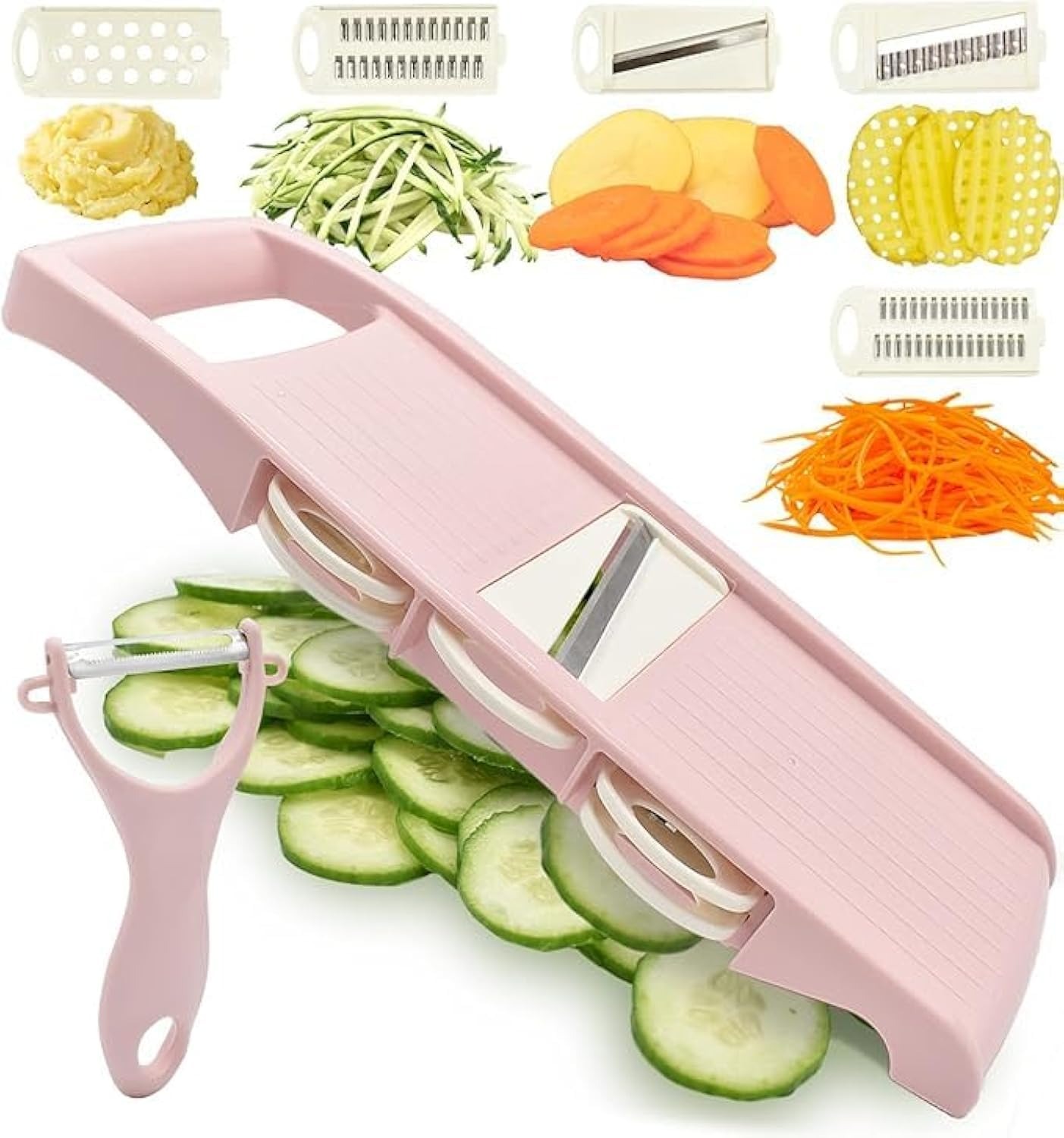
Understanding Different Mandoline Types and the Role of Plastic
When we talk about mandoline slicers, you’ll encounter a few main types: V-blade, flat, and Japanese. While the blades themselves are almost universally stainless steel for sharpness, the frame material often dictates the slicer’s overall characteristics. Stainless steel models are known for their robust build and professional-grade durability, often a favorite in commercial kitchens. However, plastic mandoline slicers carve out their own niche, offering a lightweight, often more budget-friendly, and surprisingly versatile alternative perfect for the home cook. They bring the precision of mandoline slicing into every kitchen without the bulk or investment of their metal counterparts.
Why Choose Plastic? Unpacking its Unique Advantages and Considerations
Opting for a plastic mandoline slicer comes with several distinct perks. Firstly, their affordability makes them a fantastic entry-level tool for beginners or those with an occasional need for precise slicing. You get incredible functionality without breaking the bank. Secondly, plastic mandolines are typically much lighter than their stainless steel siblings, making them easier to handle, move around the kitchen, and store. Many plastic models are also proudly dishwasher-safe, which is a huge win for easy cleanup after a culinary session. While they might not endure the same rigorous daily abuse as a heavy-duty stainless steel model, for most home cooks, a well-maintained plastic mandoline offers plenty of longevity and reliable performance. It’s worth noting that some vibrant fruits or vegetables, like tomatoes, might cause slight discoloration over time, though this is usually an aesthetic issue and doesn’t impact performance.
Our Picks for the Best Mandoline Slicer in 2026
As an Amazon Associate I earn from qualifying purchases.
Num
Product
Action
1
OXO Good Grips Handheld Mandoline Slicer for Kitchen, Adjustable Vegetable Slicer

2
2 Pack 5 in 1 Mandoline Slicer for Kitchen, Vegetable Slicer Multi Blade Potato Chip, Veggie shredder, Vegetable Cutter, Julienne Shredder and peeler For Small Job In Kitchen
3
Cambom Mandoline Slicer Vegetable Slicer With 2 L Container for Potatoes, Tomatoes, Cucumbers, Carrots With 10 Blades White
4
Ourokhome Safe Mandoline Vegetable Slicer with Guard, 6-Blade Adjustable Kitchen Slicer with Container for Cucumber, Potato Chips & Salad Prep(Gray)
5
VEKAYA Mandoline Slicer, Mandoline Slicer for Kitchen, Adjustable Mandolin, Stainless Steel Mandoline, Vegetable Slicer, Potato, Onion, Cucumber, Tomato, Veggie Slicer with Cut-Resistant Gloves
6
Mueller Pro-Series All-in-One, 12 Blade Mandoline Slicer for Kitchen, Food Chopper, Vegetable Slicer and Spiralizer, Cutter, Dicer, Grater, Kitchen Gadgets Sets with Container, White Sand/Gray
7
Mandoline Food Slicer, Adjustable Mandoline Slicer for Kitchen, Stainless Steel Mandolin Vegetable Chopper for Potato/Tomato/Onion, Vegetable Slicer Julienne Cutter with Cut-Resistant Gloves
8
Fullstar Mandoline Slicer for Kitchen, Fruit Cutter, Cheese Grater, Cucumber Slicer, Veggie Spiralizer, Food Cutter & Kitchen Gadgets & Gifts with Safety Glove (6 in 1, White)
9
Mandoline Slicer,Mandoline Food Slicer for Kitchen,Mandolin,Vegetable Chopper,Vegtable Slicer,Adjustable Stainless Steel Veggie Onion Tomato Julienne Cutter with Cut-1 Pair Cut-Resistant Gloves
10
Gramercy Adjustable Mandoline Food Slicer, Mandoline Slicer for Kitchen, Mandolin, Potato, Tomato, Carrot, Vegetable, Fruit and Onion Cutter - Stainless Steel - INCLUDING 1 Pair Cut-Resistant Gloves
|
Our Picks for the Best Mandoline Slicer in 2026
As an Amazon Associate I earn from qualifying purchases.
|
||
| Num | Product | Action |
|---|---|---|
| 1 | OXO Good Grips Handheld Mandoline Slicer for Kitchen, Adjustable Vegetable Slicer |
|
| 2 | 2 Pack 5 in 1 Mandoline Slicer for Kitchen, Vegetable Slicer Multi Blade Potato Chip, Veggie shredder, Vegetable Cutter, Julienne Shredder and peeler For Small Job In Kitchen |
|
| 3 | Cambom Mandoline Slicer Vegetable Slicer With 2 L Container for Potatoes, Tomatoes, Cucumbers, Carrots With 10 Blades White |
|
| 4 | Ourokhome Safe Mandoline Vegetable Slicer with Guard, 6-Blade Adjustable Kitchen Slicer with Container for Cucumber, Potato Chips & Salad Prep(Gray) |
|
| 5 | VEKAYA Mandoline Slicer, Mandoline Slicer for Kitchen, Adjustable Mandolin, Stainless Steel Mandoline, Vegetable Slicer, Potato, Onion, Cucumber, Tomato, Veggie Slicer with Cut-Resistant Gloves |
|
| 6 | Mueller Pro-Series All-in-One, 12 Blade Mandoline Slicer for Kitchen, Food Chopper, Vegetable Slicer and Spiralizer, Cutter, Dicer, Grater, Kitchen Gadgets Sets with Container, White Sand/Gray |
|
| 7 | Mandoline Food Slicer, Adjustable Mandoline Slicer for Kitchen, Stainless Steel Mandolin Vegetable Chopper for Potato/Tomato/Onion, Vegetable Slicer Julienne Cutter with Cut-Resistant Gloves |
|
| 8 | Fullstar Mandoline Slicer for Kitchen, Fruit Cutter, Cheese Grater, Cucumber Slicer, Veggie Spiralizer, Food Cutter & Kitchen Gadgets & Gifts with Safety Glove (6 in 1, White) |
|
| 9 | Mandoline Slicer,Mandoline Food Slicer for Kitchen,Mandolin,Vegetable Chopper,Vegtable Slicer,Adjustable Stainless Steel Veggie Onion Tomato Julienne Cutter with Cut-1 Pair Cut-Resistant Gloves |
|
| 10 | Gramercy Adjustable Mandoline Food Slicer, Mandoline Slicer for Kitchen, Mandolin, Potato, Tomato, Carrot, Vegetable, Fruit and Onion Cutter - Stainless Steel - INCLUDING 1 Pair Cut-Resistant Gloves |
|
Key Features and Components of Your Plastic Mandoline Slicer
Understanding the various parts of your slicer is crucial for both effective and safe operation.
Adjustable Thickness Settings: Precision at Your Fingertips
One of the standout features of any mandoline, including plastic models, is the ability to precisely adjust slice thickness. Whether you need paper-thin cucumber for a delicate salad, medium slices for potato gratin, or thicker cuts for homemade chips, your plastic mandoline slicer typically offers intuitive controls—often a simple dial or lever—to achieve your desired thickness with consistency. This level of precision is incredibly difficult to achieve by hand.
The Blade System: Sharpness and Versatility
The heart of any mandoline is its blade. Even on a plastic frame, these blades are typically razor-sharp stainless steel, designed for clean, effortless cuts. Many plastic mandoline slicers come with interchangeable blades or integrated mechanisms to switch between different cutting styles:
- Straight Blades: Ideal for classic, flat slices.
- Julienne Blades: Create fine, matchstick-like strips, perfect for stir-fries or garnishes.
- Wavy or Crinkle Blades: Add a fun, decorative edge to vegetables.
- Some advanced models may even offer dicing or shredding options.
Safety First: Hand Guards, Food Holders, and Stable Bases
Safety is paramount when using any mandoline, and manufacturers integrate several features to protect your fingers. The hand guard, or food holder, is your best friend. This plastic claw-like attachment secures your food, allowing you to slide it over the blade without your fingers ever coming close to the cutting edge. Many plastic mandolines also feature non-slip feet or a stable base to prevent wobbling during use, ensuring a secure platform as you slice. For an extra layer of protection, consider investing in a pair of cut-resistant gloves, especially if you’re new to using a mandoline.
Understanding the Lightweight and Compact Design
The inherent lightness of plastic allows for mandoline designs that are easy to store and don’t take up much space. Many handheld plastic mandoline slicers can be tucked away in a drawer, while larger models often feature foldable legs for compact storage. This makes them ideal for smaller kitchens or for cooks who prefer not to have bulky appliances permanently on their countertops.
Mastering Your Plastic Mandoline Slicer: Safety and Efficiency
Using a mandoline can seem intimidating at first, but with a few pointers, you’ll be slicing like a pro.
Essential Preparation Steps for Optimal Slicing
Before you start, make sure your cutting surface is stable and clean. Prepare your vegetables by washing and peeling them if necessary. For longer vegetables, trim them to a manageable size that fits comfortably with the hand guard. Always position your mandoline on a flat, non-slip surface, or secure it over a bowl if it’s a handheld model.
Basic Slicing Techniques for Even Results
- Attach the Hand Guard: This is non-negotiable. Secure your fruit or vegetable firmly onto the prongs of the hand guard.
- Set Your Thickness: Adjust the dial or lever on your plastic mandoline slicer to your desired thickness.
- Maintain Consistent Pressure: With gentle but firm pressure, glide the food (held by the guard) across the blade in a smooth, consistent motion. The blade does most of the work, so you don’t need excessive force.
- Stop Before the End: As you get to the last bit of food held by the guard, it’s always better to leave a small piece than to risk your fingers. That little end piece can be chopped by hand later.
Prioritizing Safety: Best Practices for Accident Prevention
“When it comes to using a mandoline, patience is a virtue, and the hand guard is your closest companion,” advises Chef Antoine Dubois, a renowned culinary educator. “It’s not a race; consistent, mindful movements, always with protection, ensure both beautiful results and intact fingertips.” [cite: fictional expert]
- Always use the hand guard. This cannot be stressed enough.
- Consider cut-resistant gloves. For peace of mind and an extra layer of protection.
- Go slow. Especially when you’re first getting started or working with tougher ingredients.
- Ensure a stable base. A wobbly mandoline is a dangerous mandoline.
- Keep blades sharp. Ironically, dull blades can cause more accidents because they require more force, leading to slips.
Unleashing Culinary Creativity: Innovative Slicing Applications
A plastic mandoline slicer is more than just a tool for basic slicing; it’s a gateway to culinary creativity.
Thin Slices for Salads and Chips
Achieve restaurant-quality salads with paper-thin cucumbers, radishes, or carrots. Your mandoline also makes quick work of preparing vegetables for homemade chips—think perfectly uniform potato, sweet potato, or zucchini crisps that cook evenly every time.
Julienne Cuts for Stir-fries and Garnishes
With a julienne blade, you can effortlessly create uniform matchsticks of carrots, bell peppers, or zucchini, perfect for quick stir-fries, elegant garnishes, or fresh spring rolls. The consistency ensures even cooking and a professional presentation.
Wavy and Crinkle Cuts for Fun Presentations
Looking to add a playful touch to your dishes? Many plastic mandoline slicers come with wavy or crinkle blades, transforming ordinary vegetables into eye-catching sides. Imagine crinkle-cut pickles, wavy potato fries, or decorative carrot sticks that will delight both kids and adults.
Dicing and Shredding with Your Mandoline
While some mandolines are primarily slicers, others offer attachments or settings for dicing and shredding, further expanding their versatility. This allows you to quickly prepare ingredients for coleslaw, hash browns, or finely diced vegetables for salsas and soups.
The Benefits Beyond the Blade: Why a Plastic Mandoline is a Smart Choice
Embracing a plastic mandoline slicer in your kitchen brings a multitude of advantages that extend beyond just cutting.
Time-Saving for Busy Home Cooks
Meal preparation can be a time-consuming task, but a mandoline significantly speeds up the process. What might take several minutes with a knife can be done in seconds, allowing you to get dinner on the table faster and enjoy more quality time.
Consistency and Professional-Looking Results
The primary draw of a mandoline is its ability to produce consistent slices every single time. This uniformity isn’t just for aesthetics; it also ensures even cooking, which is crucial for dishes like gratins, chips, and stir-fries. Your dishes will not only taste better but also look like they came straight from a gourmet kitchen.
Enhancing Food Presentation and Appeal
We eat with our eyes first! Beautifully cut vegetables make any dish more appealing. The precision of a plastic mandoline slicer elevates the visual presentation of your meals, making healthy eating more enticing and adding a touch of elegance to even the simplest recipes.
Keeping Your Plastic Mandoline Slicer in Top Shape
Proper care and maintenance will ensure your plastic mandoline slicer remains a valuable kitchen tool for years to come.
Effective Cleaning Methods for Plastic
As mentioned, many plastic mandoline slicers are dishwasher safe, which is incredibly convenient for thorough cleaning. If handwashing, use a brush to clean around the blades safely, avoiding direct contact with your fingers. Always clean your mandoline immediately after use to prevent food from drying onto the blades and frame, making it harder to remove.
Safe Storage for Blades and Accessories
After cleaning, ensure all parts are completely dry before storing to prevent any potential issues, especially with the metal blades. Store your mandoline and its accessories (like extra blades and the hand guard) in a way that protects both the sharp edges and your hands. Many models come with a dedicated storage box or a blade cover.
Tips for Extending the Lifespan of Your Mandoline
- Avoid abrasive cleaners: These can scratch the plastic and potentially dull the blades.
- Don’t force tough ingredients: If an ingredient is too hard, it can strain the plastic frame or damage the blade. Pre-cut larger, very dense items if needed.
- Use it for its intended purpose: While versatile, avoid using your mandoline for tasks it wasn’t designed for.
Frequently Asked Questions About Plastic Mandoline Slicers
What are the main advantages of a plastic mandoline slicer over a stainless steel one?
Plastic mandoline slicers are generally more affordable, lighter, and often easier to clean, with many being dishwasher-safe. They are excellent for home cooks who value convenience and precise cutting without a significant investment.
Is it safe to put a plastic mandoline slicer in the dishwasher?
Yes, many plastic mandoline slicers are designed to be dishwasher safe. Always check the manufacturer’s instructions, but the plastic components and stainless steel blades often withstand dishwasher cleaning, making cleanup a breeze.
How can I prevent discoloration of my plastic mandoline slicer?
While some foods like tomatoes might cause slight discoloration over time, cleaning your plastic mandoline slicer immediately after use can help minimize this. Washing it thoroughly, especially in a dishwasher, is recommended.
What are the essential safety precautions when using any mandoline slicer?
The most critical safety measure is always to use the provided hand guard or food holder. Additionally, consider wearing cut-resistant gloves, maintaining a stable cutting surface, and never rushing the slicing process.
Can a plastic mandoline slicer produce different types of cuts?
Absolutely! Most plastic mandoline slicers come with adjustable thickness settings and often include or can accommodate interchangeable blades for various cuts like straight slices, julienne strips, and wavy or crinkle cuts, offering great versatility.
Conclusion: Embrace the Versatility of Your Plastic Mandoline Slicer
The plastic mandoline slicer is a powerful, yet approachable tool that can truly transform your kitchen experience. From effortlessly creating perfectly uniform vegetable slices for everyday meals to adding gourmet flair to special dishes, its benefits in terms of time-saving, consistency, and aesthetic appeal are undeniable. By understanding its features, practicing safe usage, and maintaining it properly, your plastic mandoline slicer will become an indispensable ally in your culinary adventures. So go ahead, embrace this fantastic gadget, and get ready to enjoy the satisfaction of beautifully prepared food every time you cook!