The mandoline slicer, a culinary marvel, promises restaurant-quality, uniformly thin slices that would take a professional chef years to perfect with a knife. Yet, its razor-sharp blades also instill a healthy dose of fear in many home cooks. The good news is that with the right knowledge and techniques, a mandoline can be a truly safe mandoline slicer, transforming your kitchen prep from daunting to delightful. It’s all about respecting the tool and adopting smart habits that protect your precious digits while unleashing your inner culinary artist.
|
Our Picks for the Best Mandoline Slicer in 2026
As an Amazon Associate I earn from qualifying purchases.
|
||
| Num | Product | Action |
|---|---|---|
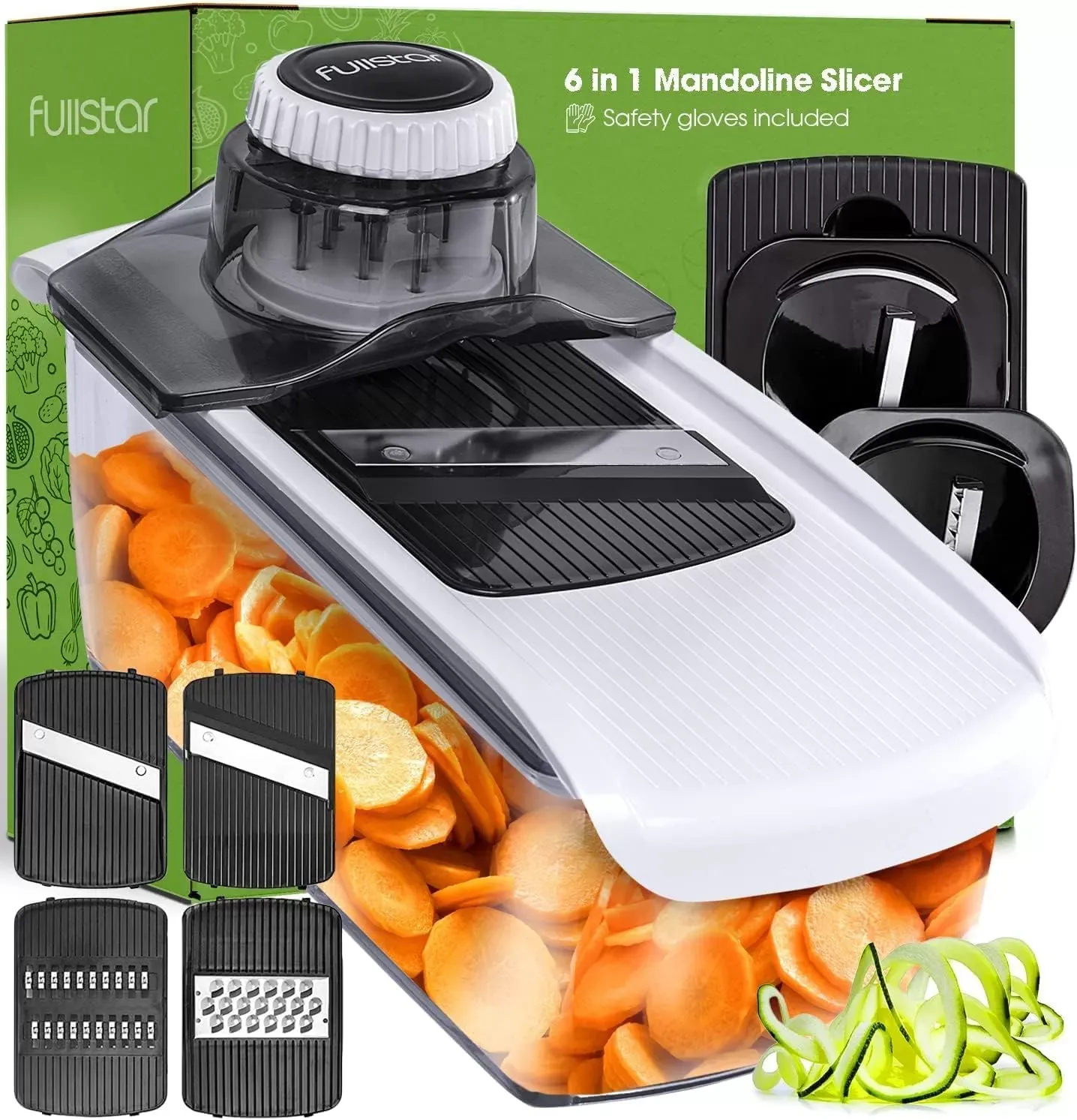
| 1 | Fullstar Mandoline Slicer for Kitchen, Fruit Cutter, Cheese Grater, Cucumber Slicer, Veggie Spiralizer, Food Cutter & Kitchen Gadgets & Gifts with Safety Glove (6 in 1, White) |

|
| 2 | Ourokhome Safe Mandoline Vegetable Slicer with Guard, 6-Blade Adjustable Kitchen Slicer with Container for Cucumber, Potato Chips & Salad Prep(Gray) |
|
| 3 | Mandoline Slicer,Mandoline Food Slicer for Kitchen,Mandolin,Vegetable Chopper,Vegtable Slicer,Adjustable Stainless Steel Veggie Onion Tomato Julienne Cutter with Cut-1 Pair Cut-Resistant Gloves |
|
| 4 | Mandoline Food Slicer, Adjustable Mandoline Slicer for Kitchen, Stainless Steel Mandolin Vegetable Chopper for Potato/Tomato/Onion, Vegetable Slicer Julienne Cutter with Cut-Resistant Gloves |
|
| 5 | Gramercy Adjustable Mandoline Food Slicer, Mandoline Slicer for Kitchen, Mandolin, Potato, Tomato, Carrot, Vegetable, Fruit and Onion Cutter - Stainless Steel - INCLUDING 1 Pair Cut-Resistant Gloves |
|
| 6 | VEKAYA Mandoline Slicer, Mandoline Slicer for Kitchen, Adjustable Mandolin, Stainless Steel Mandoline, Vegetable Slicer, Potato, Onion, Cucumber, Tomato, Veggie Slicer with Cut-Resistant Gloves |
|
| 7 | 2 Pack 5 in 1 Mandoline Slicer for Kitchen, Vegetable Slicer Multi Blade Potato Chip, Veggie shredder, Vegetable Cutter, Julienne Shredder and peeler For Small Job In Kitchen |
|
| 8 | OXO Good Grips Handheld Mandoline Slicer for Kitchen, Adjustable Vegetable Slicer |
|
| 9 | Cambom Mandoline Slicer Vegetable Slicer With 2 L Container for Potatoes, Tomatoes, Cucumbers, Carrots With 10 Blades White |
|
| 10 | Mueller Pro-Series All-in-One, 12 Blade Mandoline Slicer for Kitchen, Food Chopper, Vegetable Slicer and Spiralizer, Cutter, Dicer, Grater, Kitchen Gadgets Sets with Container, White Sand/Gray |
|
Understanding Your Mandoline Slicer: More Than Just a Sharp Blade
Before diving into safety, let’s get acquainted with this indispensable kitchen gadget. A mandoline slicer is essentially a platform with an adjustable blade, designed to slice fruits and vegetables with unmatched precision and speed.
A Brief History and Types
From simple handheld versions to elaborate standing models, mandoline slicers come in various forms, each with its unique advantages. Flat mandolines typically have a single, straight blade, while V-blade mandolines feature a V-shaped cutting edge that’s excellent for softer produce like tomatoes, reducing tearing. Japanese mandolines are often praised for their incredibly sharp, straight blades, making paper-thin cuts effortless. While each type offers distinct benefits for various cutting needs, they all share the common goal of uniformity and efficiency, coupled with the inherent need for careful handling.
Key Features for a Safe Mandoline Slicer
When choosing a safe mandoline slicer, certain features are paramount. Look for models with easily adjustable thickness settings, preferably controlled by a dial or lever rather than fiddly, interchangeable inserts. This minimizes contact with blades during adjustments. Integrated blade types for various cuts (straight, julienne, waffle) are also a plus, as they reduce the need to swap out exposed blades. Most importantly, a reliable hand guard or food pusher is absolutely essential, designed to hold your food securely while keeping your fingers far from the cutting edge. Finally, a non-slip base or sturdy feet ensures the mandoline remains stable on your countertop, preventing dangerous wobbles and slides during use. These thoughtful designs help make any mandoline a considerably safer tool in your kitchen arsenal.
Essential Gear: Your First Line of Defense
No matter how advanced your mandoline slicer is, personal protective equipment forms the bedrock of safe operation. Think of these as your kitchen safety essentials.
The Indispensable Hand Guard
Every mandoline slicer comes with a hand guard or food pusher, and it is not an optional accessory. This device is your primary shield, designed to secure the food item you’re slicing and create a safe barrier between your fingers and the blade. It allows you to maintain consistent pressure on the food as you glide it across the blade, keeping your hands at a safe distance throughout the process. Always ensure your food is firmly impaled or held within the guard before you begin slicing.
The Power of Cut-Resistant Gloves
While the hand guard is crucial, for an added layer of protection – especially when dealing with smaller, slippery, or oddly shaped ingredients – a cut-resistant glove is a game-changer. These gloves, often made from materials like Kevlar or high-performance polyethylene, provide significant resistance against accidental cuts, allowing you to handle food with greater confidence. Many experienced cooks swear by them, finding they offer peace of mind and enhanced control, particularly as the food item gets smaller.
Master the Motion: Using Your Mandoline Slicer Safely and Effectively
Operating a mandoline slicer safely is less about brute force and more about precision, focus, and technique. Adopting these habits will make you a mandoline master, not a mandoline victim.
Preparation is Key
Begin by ensuring your mandoline is placed on a flat, stable, non-slip surface. Many models have rubberized feet, but placing it on a damp cloth or a non-slip mat adds extra security. Prepare your produce by washing it thoroughly, and if necessary, trim larger or irregularly shaped items so they fit comfortably on the slicer’s platform. For instance, if a vegetable doesn’t have a flat side, cut a small slice with a knife to create a stable base, ensuring it won’t rock or shift during slicing.
The Art of the Slice
With your mandoline stable and your food prepared and secured in the hand guard (or wearing a cut-resistant glove for extra assurance), hold the mandoline firmly with one hand and the food with the other. Position the mandoline perpendicular to your body, with the blade angling away from you. The key is to use gentle, controlled, and even pressure. Glide the food smoothly down the blade in steady strokes. Don’t rush the process; a slow and steady approach not only produces perfect slices but significantly reduces the risk of accidents. Let the sharp blade do the work, rather than forcing the food through.
When to Stop: Don’t Be a Hero
As you get to the end of your fruit or vegetable, and the piece becomes too small for the hand guard to safely hold, stop. It’s simply not worth the risk. Discard the small end piece, or carefully finish slicing it with a sharp chef’s knife. As Chef Antoine Dubois, a celebrated culinary instructor, often advises, “A tiny bit of wasted vegetable is a small price to pay for intact fingertips. Always err on the side of caution when you’re nearing the blade – your hands are your most important kitchen tools.”
Why is a sharp blade safer than a dull one?
A sharp mandoline blade is actually much safer than a dull one because it slices effortlessly with minimal pressure. A dull blade, on the other hand, requires you to push harder, increasing the likelihood of slipping and losing control, which can lead to serious injuries.
Creative Cuts and Culinary Applications with a Safe Mandoline Slicer
Once you’ve mastered the safe handling of your mandoline, a world of culinary possibilities opens up. The consistent slices you achieve aren’t just for show; they elevate your cooking in practical ways.
Beyond Basic Slices
A mandoline slicer allows you to achieve a variety of cuts that are difficult or time-consuming with a knife. Think paper-thin slices for elegant potato gratins or homemade crispy vegetable chips. It excels at julienning vegetables into uniform matchsticks for vibrant salads, stir-fries, or garnishes. Many models also offer specialized blades for waffle or crinkle cuts, perfect for creating fun, textured fries or uniquely shaped pickles that impress.
Elevating Your Dishes
The uniform thickness of mandoline-sliced ingredients ensures they cook evenly, preventing some pieces from being undercooked while others are burnt. This consistency is not only functional but also contributes significantly to the professional presentation of your dishes, making everyday meals feel special. Furthermore, the speed and efficiency of a mandoline mean less time spent on tedious chopping, freeing you up to focus on other aspects of your meal preparation.
Maintenance and Care for Lasting Safety
The danger with a mandoline doesn’t end when the slicing is done. Cleaning and storing this tool correctly is just as important for maintaining its safety and longevity.
Safe Cleaning Techniques
The most critical rule for cleaning is to never place your mandoline slicer blindly into a sink full of soapy water. Instead, clean it immediately after use, before food has a chance to dry onto the blades. Use a sturdy brush or a sponge specifically designed for blades, ensuring your hands are kept well away from the cutting edges. Always wipe in the direction of the blade’s edge, never across it, to prevent accidental cuts. After cleaning, dry all parts thoroughly to prevent rust, especially on metal blades, which can dull them over time.
Proper Storage
Once clean and dry, store your mandoline slicer in a safe place where the blades are fully protected, either by retracting them, using a blade cover, or placing the entire unit in its original packaging or a dedicated drawer. This prevents accidental contact and keeps it out of reach of children and pets.
How do I maintain my mandoline slicer’s sharpness?
To maintain sharpness, always clean and dry your mandoline blades promptly after use. Some high-quality models allow for professional sharpening, while others have replaceable blades. Refer to your specific mandoline’s instruction manual for guidance on sharpening or blade replacement to ensure continued safe and efficient operation.
Frequently Asked Questions (FAQ)
Q1: Is a mandoline slicer really necessary?
A: While not strictly necessary, a mandoline slicer significantly enhances efficiency and consistency in slicing, allowing you to achieve uniform cuts that are difficult to replicate with a knife, especially for specific dishes.
Q2: What is the most important safety rule for a mandoline?
A: Always, without exception, use the hand guard or food pusher provided with your mandoline slicer to protect your fingers from the razor-sharp blade.
Q3: Can I slice cheese with a mandoline?
A: Yes, mandolines can slice firm cheeses like cheddar or Gruyère into perfectly uniform slices, which is ideal for charcuterie boards or gratins. Softer cheeses are generally not suitable.
Q4: What if my mandoline didn’t come with a hand guard?
A: If your mandoline lacks a hand guard, you should immediately purchase a cut-resistant glove for safety or invest in a new mandoline that includes this essential feature. Never use it bare-handed.
Q5: How can I make sure my mandoline doesn’t slip on the counter?
A: Place your mandoline on a stable, flat surface. Most have non-slip feet, but an extra layer of security like a damp cloth or a non-slip mat underneath can prevent it from sliding during use.
Q6: Are electric mandolines safer?
A: Electric mandolines or food processors with slicing attachments can offer a different level of safety by keeping hands further from blades, but proper technique and adherence to safety guidelines are still crucial for any cutting tool.
Q7: How often should I replace mandoline blades?
A: The lifespan of a mandoline blade depends on usage and material. If you notice it requires more force to slice or produces jagged cuts, it’s a sign the blade needs sharpening or replacement, as a dull blade is a safety hazard.
Conclusion
The mandoline slicer, often viewed with a mix of admiration and apprehension, is an incredibly powerful tool that can elevate your cooking to new heights. By committing to the best practices of using a safe mandoline slicer – employing essential safety gear, mastering careful techniques, and maintaining it diligently – you can harness its full potential without fear. Embrace the precision, speed, and aesthetic appeal it brings to your culinary creations, making every slice a step towards a more confident and rewarding kitchen experience.