Have you ever gazed at a dish in a high-end restaurant and wondered how they achieve such perfectly uniform, paper-thin slices of vegetables? That consistent elegance isn’t magic; it’s often the work of a restaurant quality mandoline slicer. Far beyond a simple kitchen gadget, this precision tool can transform your home cooking, bringing that coveted professional touch to everyday meals and special occasions alike. If you’re tired of uneven cuts and endless chopping, understanding what makes a mandoline truly “restaurant quality” is your first step to culinary excellence.
The Art of the Slice: Understanding Your Mandoline Slicer
At its core, a mandoline slicer is a kitchen utensil designed to slice and cut food with speed, precision, and consistency. While the concept might seem modern, mandolines have been a staple in professional kitchens for decades, evolving from simple wooden boards with fixed blades to sophisticated stainless steel machines with interchangeable cutting options.
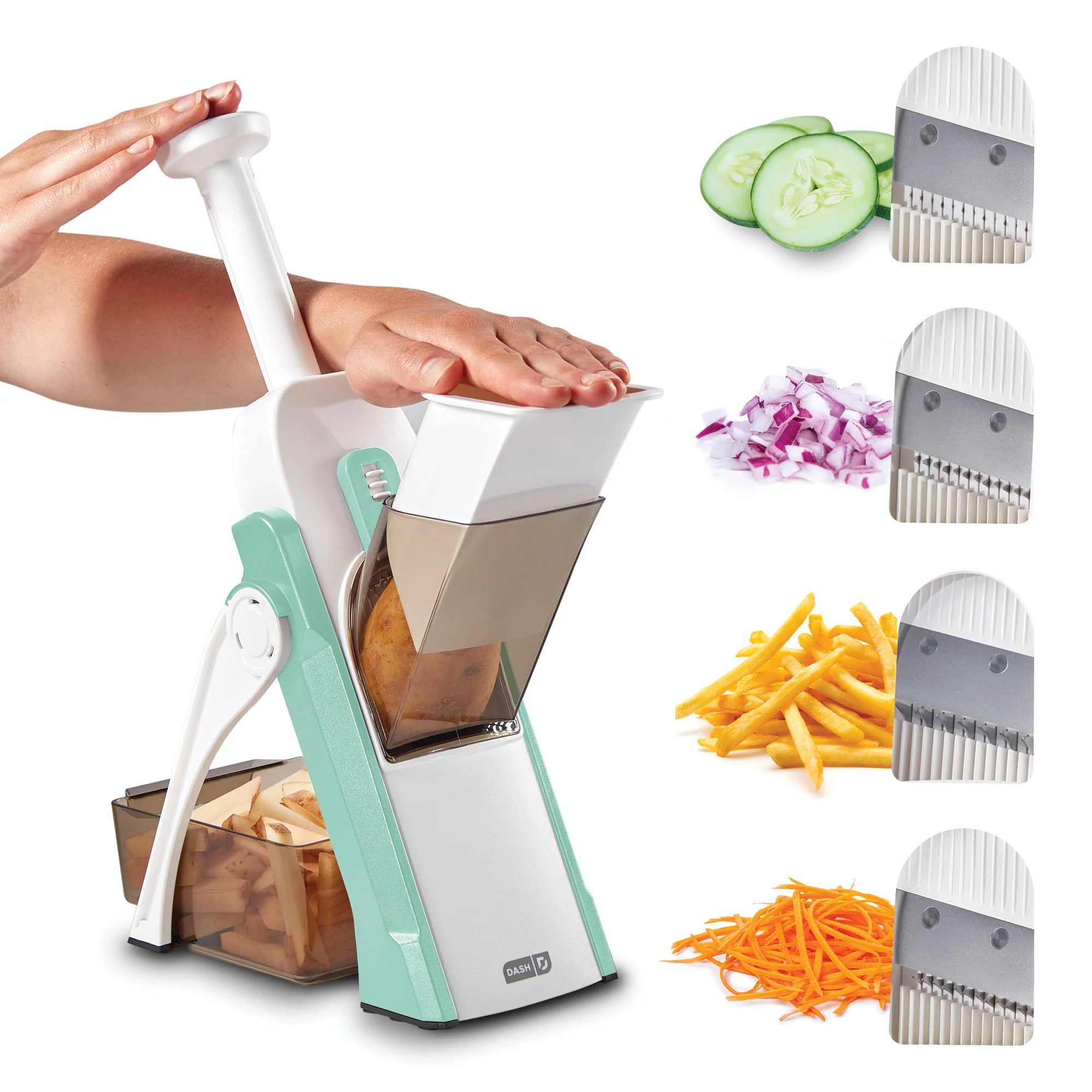
Generally, you’ll encounter a few main types. There are the classic flat mandolines, often seen in Japanese variations like the renowned Benriner, known for their ultra-sharp straight blades and manual thickness adjustments. V-blade mandolines offer a diagonal cutting action that reduces resistance, making them ideal for softer produce like tomatoes. Some advanced models even feature guillotine-style mechanisms or integrated julienne and waffle blades, offering an array of cuts without needing to swap out different components.
The common advantages are undeniable: unmatched speed in prep, consistently uniform slices for even cooking, and an elevated aesthetic that makes every dish look like it came straight from a gourmet kitchen. Of course, with such sharp tools comes the crucial consideration of safety – a topic we’ll dive into shortly.
|
Our Picks for the Best Mandoline Slicer in 2026
As an Amazon Associate I earn from qualifying purchases.
|
||
| Num | Product | Action |
|---|---|---|
| 1 | Fullstar Mandoline Slicer for Kitchen, Fruit Cutter, Cheese Grater, Cucumber Slicer, Veggie Spiralizer, Food Cutter & Kitchen Gadgets & Gifts with Safety Glove (6 in 1, White) |

|
| 2 | Mueller Pro-Series All-in-One, 12 Blade Mandoline Slicer for Kitchen, Food Chopper, Vegetable Slicer and Spiralizer, Cutter, Dicer, Grater, Kitchen Gadgets Sets with Container, White Sand/Gray |
|
| 3 | Mandoline Slicer,Mandoline Food Slicer for Kitchen,Mandolin,Vegetable Chopper,Vegtable Slicer,Adjustable Stainless Steel Veggie Onion Tomato Julienne Cutter with Cut-1 Pair Cut-Resistant Gloves |
|
| 4 | VEKAYA Mandoline Slicer, Mandoline Slicer for Kitchen, Adjustable Mandolin, Stainless Steel Mandoline, Vegetable Slicer, Potato, Onion, Cucumber, Tomato, Veggie Slicer with Cut-Resistant Gloves |
|
| 5 | Gramercy Adjustable Mandoline Food Slicer, Mandoline Slicer for Kitchen, Mandolin, Potato, Tomato, Carrot, Vegetable, Fruit and Onion Cutter - Stainless Steel - INCLUDING 1 Pair Cut-Resistant Gloves |
|
| 6 | OXO Good Grips Handheld Mandoline Slicer for Kitchen, Adjustable Vegetable Slicer |
|
| 7 | Ourokhome Safe Mandoline Vegetable Slicer with Guard, 6-Blade Adjustable Kitchen Slicer with Container for Cucumber, Potato Chips & Salad Prep(Gray) |
|
| 8 | Mandoline Food Slicer, Adjustable Mandoline Slicer for Kitchen, Stainless Steel Mandolin Vegetable Chopper for Potato/Tomato/Onion, Vegetable Slicer Julienne Cutter with Cut-Resistant Gloves |
|
| 9 | Cambom Mandoline Slicer Vegetable Slicer With 2 L Container for Potatoes, Tomatoes, Cucumbers, Carrots With 10 Blades White |
|
| 10 | 2 Pack 5 in 1 Mandoline Slicer for Kitchen, Vegetable Slicer Multi Blade Potato Chip, Veggie shredder, Vegetable Cutter, Julienne Shredder and peeler For Small Job In Kitchen |
|
What Makes a Mandoline “Restaurant Quality”? Key Features and Components
When a chef talks about a “restaurant quality” mandoline, they’re not just referring to a brand name; they’re talking about a tool built for uncompromising performance, durability, and safety. These aren’t your average entry-level slicers; they are precision instruments designed for heavy use and flawless results.
Blade Excellence: The Heart of Precision
The most critical component of any mandoline is its blade. For restaurant quality, you’re looking for surgical sharpness and superior material. Stainless steel is a popular choice for its durability, resistance to rust, and ability to hold a keen edge. Ceramic blades are also gaining traction, celebrated for their extreme sharpness and corrosion resistance, though they can be more brittle.
- V-Blade vs. Straight Blade: V-blades cut on a diagonal, creating two points of contact with the food, which helps reduce tearing and makes slicing softer items incredibly smooth. Straight blades are excellent for firm vegetables and often offer a cleaner, straighter cut.
- Interchangeable and Resharpenable Blades: High-end mandolines often come with multiple interchangeable blades for various cuts (straight, wavy, julienne) and the best models allow for the main slicing blade to be removed and even professionally re-sharpened, extending the tool’s lifespan significantly.
Precision Thickness Adjustment: The Secret to Uniformity
Imagine creating potato gratin where every slice is exactly the same thickness, ensuring perfect, even cooking. This level of uniformity is a hallmark of restaurant quality.
- Infinite vs. Preset Settings: While many home mandolines have preset thickness levels, professional models often feature infinite adjustment mechanisms, such as a simple thumb screw or a finely-tuned dial. This allows you to achieve any desired thickness, from gossamer-thin carpaccio slices (0.5mm) to thicker, substantial potato rounds (up to 9mm).
- Ease of Adjustment: The ability to smoothly and securely change thickness settings without fumbling is a key indicator of a well-engineered tool.
Robust Construction: Built to Last
A restaurant kitchen is a demanding environment. A mandoline designed for this setting must withstand rigorous daily use.
- Durable Materials: Look for high-grade stainless steel construction. This not only ensures longevity but also adheres to stricter food hygiene standards. Cheaper plastic models, while functional for occasional use, often lack the stability and lifespan required for consistent, high-volume prep.
- Stability and Grip: A restaurant quality mandoline will feature a sturdy, non-slip base or robust foldable legs that lock securely into place. Non-slip handles are equally important for stability and control during operation.
Advanced Safety Features: Non-Negotiable Protection
Mandolines are incredibly efficient, but their razor-sharp blades demand respect. Safety is paramount, even for experienced chefs.
- Integrated Handguards/Food Pushers: Every good mandoline comes with a handguard or food pusher designed to hold the food securely and protect your fingers. Restaurant quality versions typically offer a more substantial and ergonomic design that firmly grips the produce, preventing slips.
- Cut-Resistant Gloves: While not always included, many professional cooks will recommend using cut-resistant gloves as an added layer of protection, especially when working with smaller pieces of food or when getting close to the blade.
- Secure Mechanisms: Features like locking bases and blades that can be safely stowed away when not in use contribute significantly to overall kitchen safety.
Versatility in Cuts: Expanding Your Culinary Horizons
Beyond straight slices, a truly versatile mandoline will offer a range of cutting options to inspire your culinary creativity.
- Julienne and Matchstick Blades: Essential for fine garnishes, stir-fries, and classic French fries.
- Waffle and Crinkle Cuts: Perfect for decorative potato chips, sweet potato fries, or attractive vegetable garnishes that add visual flair to any plate.
- Dicing and Cubing Attachments: Some high-end models come with clever attachments that allow you to create perfect dices or cubes, further reducing knife work.
Unlocking Culinary Excellence: Safe and Effective Mandoline Slicer Usage
Mastering a restaurant quality mandoline slicer isn’t just about owning the best tool; it’s about using it correctly and safely. Many chefs will tell you that the mandoline can be your best friend or your worst enemy, depending on your technique.
Preparation is Key
Before you even touch the blade, proper preparation is crucial.
- Stable Surface: Always place your mandoline on a clean, dry, and stable surface. Many models have non-slip feet or are designed to rest securely over a bowl.
- Protective Gear: Don’t skip the handguard! It’s there for a reason. For added peace of mind, consider investing in a pair of cut-resistant gloves, especially when you’re just starting out or working with slippery produce.
Mastering Basic Techniques
The goal is a smooth, consistent motion that allows the blade to do the work.
- Proper Grip: Hold the mandoline firmly with one hand (if it’s handheld) or ensure its stand is stable. Use your other hand to guide the food, always protected by the handguard.
- Consistent Pressure: Apply gentle, even pressure as you slide the food across the blade. Let the sharpness of the blade do the slicing; never force the food.
- Downward and Forward Motion: Most mandolines require a consistent downward and forward motion. Imagine you’re shaving the vegetable rather than pushing it.
Essential Safety Tips
These tips are non-negotiable for safe mandoline operation.
- Always Use the Handguard: This cannot be stressed enough. As soon as the food item becomes too small to hold comfortably, switch to the handguard.
- Cut-Resistant Gloves Are Your Friends: For ultimate safety, wear them. Period.
- Slow and Steady: There’s no rush. Take your time, especially when learning. Precision comes with practice, not speed.
- Never Force It: If a vegetable is getting stuck or not slicing smoothly, something is wrong. Don’t push harder; re-evaluate your angle, pressure, or the condition of your blade.
- Proper Storage: Store your mandoline safely, ideally with blades protected or locked. Many models come with blade covers or storage boxes.
Beyond Basic Slices: Creative Cuts and Culinary Applications
A restaurant quality mandoline unlocks a world of culinary possibilities, allowing you to create stunning textures and presentations that elevate everyday dishes.
Paper-Thin Slices
- Carpaccio: Whether it’s beef, beet, or scallop carpaccio, paper-thin slices are essential for delicate textures.
- Potato Pavé and Gratins: Achieve perfectly uniform potato layers for impressive, evenly cooked gratins and terrines.
- Cucumber and Radish Salads: Create translucent slices that absorb dressings beautifully and offer a delightful crunch.
Julienne Strips
- Slaws and Stir-fries: Quickly produce fine matchsticks of cabbage, carrots, or bell peppers for vibrant and quick-cooking dishes.
- Garnishes: Julienne vegetables like carrots, leeks, or zucchini make elegant garnishes for soups and main courses.
Waffle and Crinkle Cuts
- Homemade Chips and Fries: Give your homemade potato or sweet potato fries a professional, decorative edge.
- Pickled Vegetables: Add visual appeal to pickled cucumbers, carrots, or beets.
Dicing and Matchsticks
With specific attachments, some mandolines can create uniform cubes for salsas, brunoise cuts for fine preparations, or even thick-cut matchsticks for heartier vegetable dishes.
The Professional Edge: Benefits of a Restaurant Quality Mandoline Slicer
Investing in a restaurant quality mandoline slicer offers a multitude of benefits that extend far beyond simply cutting vegetables.
- Time Efficiency in Meal Prep: What might take ten minutes of careful knife work can be done in under a minute with a mandoline, drastically speeding up meal preparation.
- Consistent, Uniform Results: This is paramount for professional cooking. Uniform slices ensure ingredients cook evenly, preventing some pieces from being raw while others are overcooked.
- Elevated Dish Aesthetics: Beautifully cut ingredients instantly make a dish look more appealing and professional, impressing your guests and enhancing the dining experience.
- Expanding Culinary Repertoire: With a mandoline, you’ll be more inclined to try complex recipes that require intricate cuts, opening up new culinary horizons and techniques.
Maintaining Your Precision Tool: Care and Longevity
To ensure your restaurant quality mandoline slicer remains a reliable workhorse for years, proper maintenance and cleaning are crucial.
Cleaning
- Disassembly: Most quality mandolines can be easily disassembled, making cleaning safer and more thorough.
- Hand-Washing Blades: Always exercise extreme caution when cleaning blades. Hand-washing with a brush and soapy water is often recommended to maintain sharpness and prevent accidental cuts, even if the body is dishwasher safe.
- Dishwasher Safety: Check the manufacturer’s instructions. While some components might be dishwasher-safe, blades often perform better with hand-washing to preserve their edge.
Blade Care
- Sharpening: If your mandoline has removable, re-sharpenable blades, consider professional sharpening when you notice a decline in performance.
- Proper Storage: Store blades and the mandoline itself in a safe place, ideally using any provided blade covers or storage containers to protect both the blades and your hands.
Extending Product Lifespan
Regular cleaning, careful handling, and proper storage are the simplest ways to ensure your mandoline lasts for many years, continuing to deliver those perfect, restaurant-quality cuts.
Frequently Asked Questions (FAQ)
What’s the difference between a mandoline and a food processor?
A mandoline slicer excels at creating precise, uniform slices, juliennes, and specialty cuts (like waffle or crinkle) with unparalleled thinness. A food processor is more versatile for chopping, grating, pureeing, and mixing large quantities, but generally cannot achieve the same level of delicate thinness or consistent shape as a mandoline.
Are mandoline slicers safe to use?
Mandoline slicers are very safe when used correctly and with caution. Always use the provided handguard or food pusher, and consider wearing cut-resistant gloves for extra protection. Never force food through the blade, and always keep your fingers away from the cutting surface.
How do I choose the right blade type?
V-blades are excellent for slicing all types of produce, especially softer items, as they cut with less resistance. Straight blades are ideal for firm vegetables. Most restaurant quality mandolines come with interchangeable blades or integrated options for various cuts like julienne, crinkle, and waffle, offering maximum versatility.
Can I sharpen my mandoline blades?
Some high-quality mandoline blades, particularly those made from stainless steel and designed to be removable, can be professionally sharpened. Always check your specific model’s instructions, as not all blades are designed for sharpening.
What vegetables can I cut with a mandoline?
You can cut almost any firm fruit or vegetable with a mandoline, including potatoes, cucumbers, carrots, onions, zucchini, apples, and peppers. Softer items like tomatoes or ripe peaches can also be sliced with a V-blade, though they require more care.
How do I store my mandoline slicer safely?
Always store your mandoline with the blades safely retracted, covered, or in a dedicated storage box. Keep it out of reach of children and in a place where you won’t accidentally brush against the sharp edges.
Elevate Your Kitchen to Restaurant Standards
A restaurant quality mandoline slicer isn’t just a tool; it’s an investment in your culinary journey. It empowers you to create dishes with the precision, consistency, and aesthetic appeal typically found only in professional kitchens. From delicate garnishes to perfectly layered gratins, the ability to produce uniform, flawless cuts will transform your cooking and impress everyone who gathers at your table. So, take the leap, embrace the precision, and let a top-tier mandoline revolutionize your meal preparation, bringing that coveted restaurant quality to your very own kitchen.